
In brief
The 2023 Hamas‑led assault on Israel remains scarred by half a dozen kibbutz communities, notably Kfar Aza, where 64 were killed and 19 taken hostage. On the third anniversary, mourners and survivors are pushing for a government‑run investigation into the widespread intelligence lapse that allowed the attack. Despite critics, Netanyahu continues to deny personal responsibility and promotes a security platform for the upcoming elections. The debate underscores Israel’s struggle to reconcile security with accountability as it navigates a fragile peace and seeks pathways to regional stability.
On the third anniversary of the Hamas‑led assault that shook Israel in October 2023, the quiet streets of Kfar Aza
once again become a muted witness to grief and demand. The small kibbutz, home to 14 civil defence members, lost half
of its squad within the first hour of the attack, and the wider community suffered 64 deaths and 19 hostages.
Survivors, including Inbar Goldstein, whose brother and niece were killed and four relatives taken hostage, are calling
for a thorough, independent investigation into the intelligence failures that allowed the attackers to penetrate the
border. They argue that the “long process of abandonment” surrounding the attack has not been closed, leaving the
risk of future incidents.
The security failure is tied to broader questions about what information reached Israel’s leadership weeks before
the attack. Reports indicate that female soldiers posted at forward posts warned of possible preparations, yet
senior officials allegedly chose not to disrupt the day’s routine, fearing a premature escalation.
Prime Minister Benjamin Netanyahu, who is campaigning for re‑election on a platform of unyielding security, has
repeatedly denied personal responsibility. He maintains that he was not forewarned, even after a reported phone call
from the United Arab Emirates six weeks prior to the assault—a claim he has denounced as a rumor.
While the political debate rages, survivors and opposition figures, such as former minister Yizhar Shai, are pressing
Israel’s Supreme Court to mandate a state commission of inquiry. The issue has become a pivotal part of the
election discourse, with voters weighing the promise of safety against the need for accountability and systemic change.
The enduring impact of the attacks extends beyond human loss. The Destruction of agricultural fields, local
infrastructure, and ecological habitats has prompted a call among some residents for sustainable rebuilding
strategies that consider both security and environmental resilience.
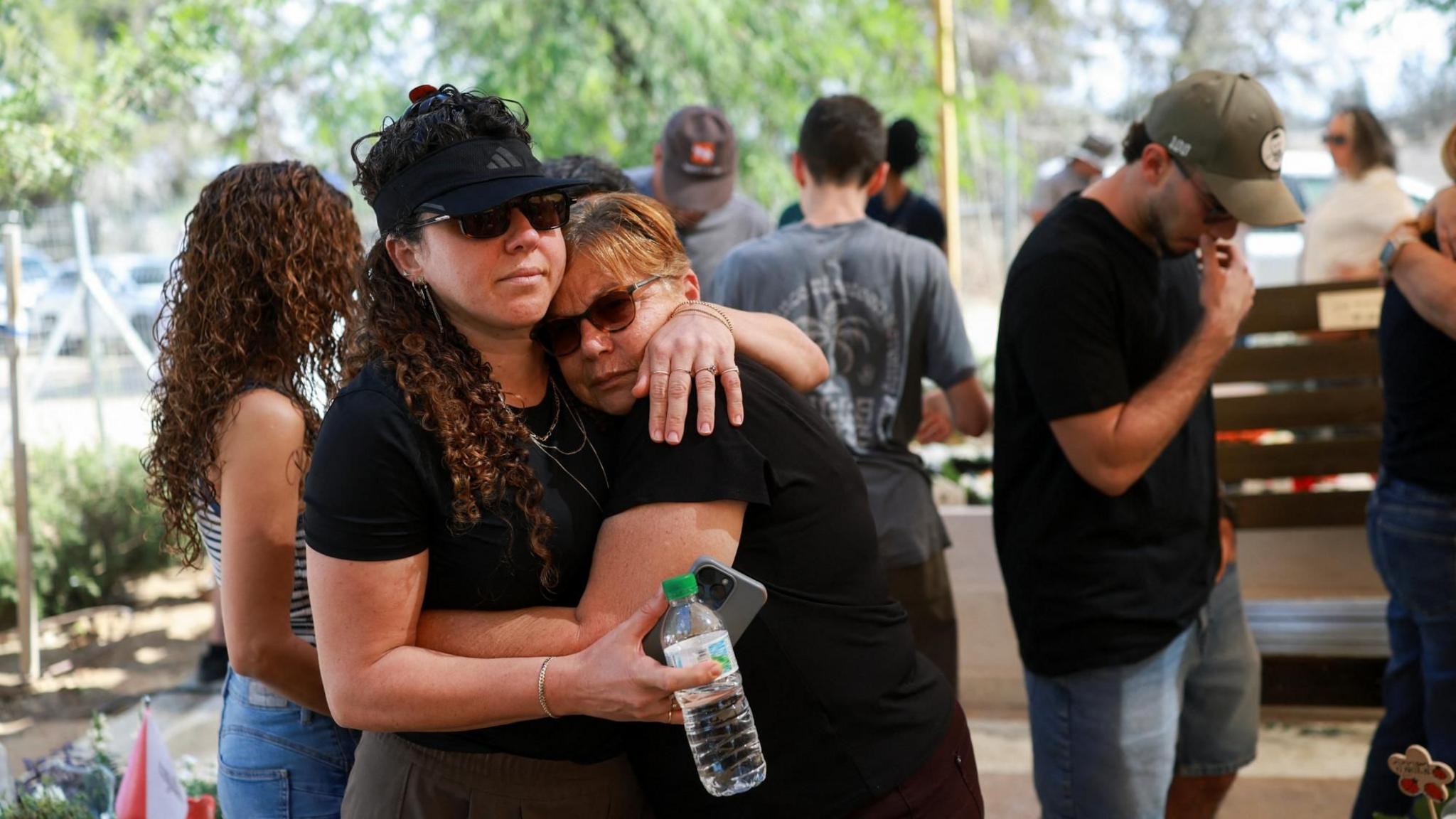
Image Caption:
Residents of Kfar Aza attend a memorial ceremony, underscoring the community’s ongoing grief.


