In West Virginia, 15-year-old Becky Pepper-Jackson finds herself in a pivotal moment in her adolescence, aware that her next athletic season could be her last. As a talented discus thrower, her aspirations are at odds with state legislation that bans transgender girls from competing in women's sports.
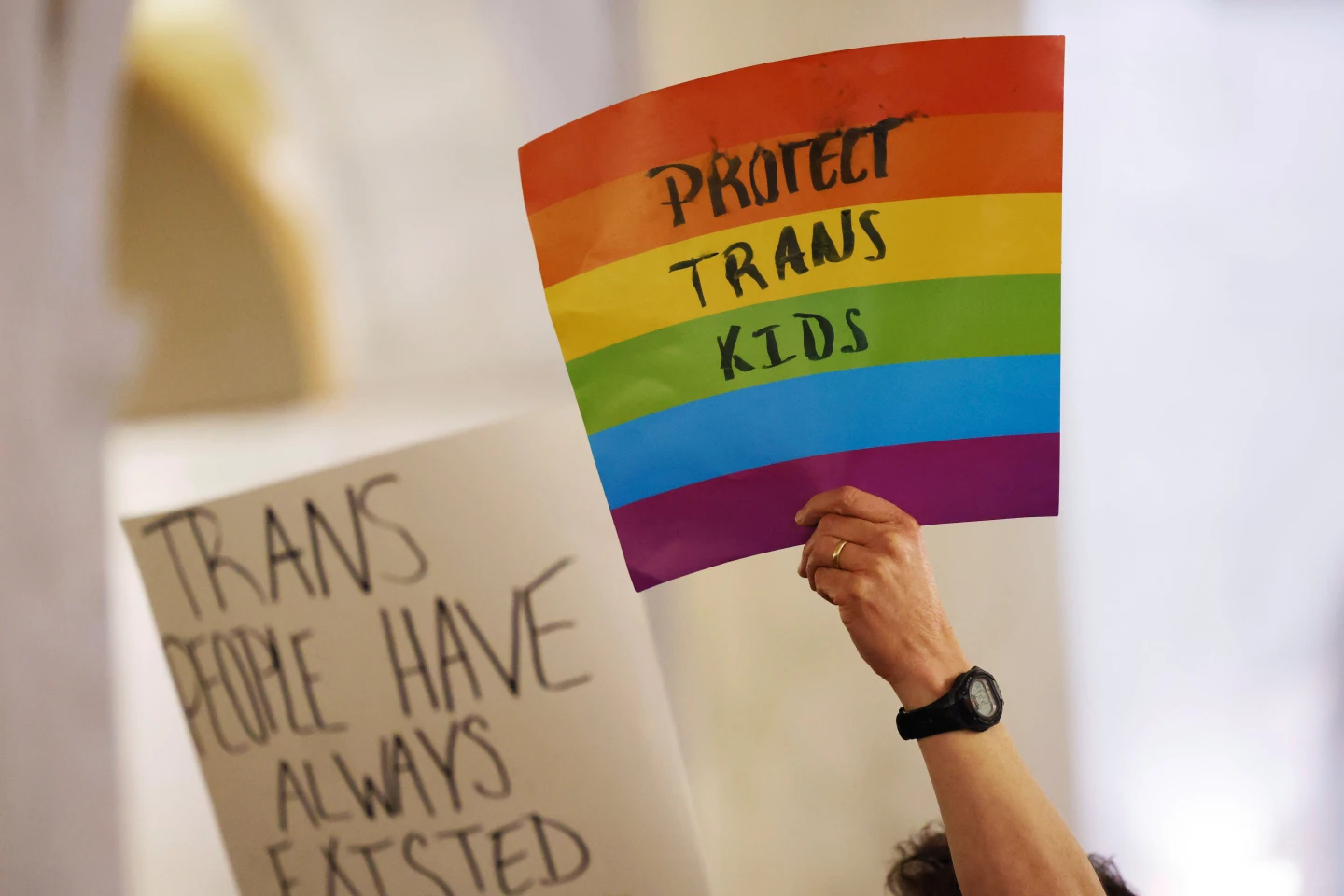
The law, influenced by a wave of similar regulations across the U.S., has sparked national debate regarding the rights of transgender individuals in athletics. Despite being temporarily blocked in lower courts, the situation now heads to the Supreme Court, with critical hearings that may redefine the boundaries of Title IX protections and equal protection under the law.
“I think this is important to me and to many others. I want to be here, competing fairly,” said Pepper-Jackson during an interview. Her determination reflects a broader struggle faced by transgender athletes who fight for inclusion in competitive sports, challenging the narrative that often labels them as unfair competitors.
Throughout her journey as an athlete, Pepper-Jackson has overcome challenges not just in competition but also societal perceptions. Having publicly identified as a girl since the third grade, she has faced scrutiny over her athletic abilities, with critics arguing that her participation undermines the integrity of women's sports.
Amidst political agendas surrounding this issue, state representatives speak to the dangers they perceive, claiming that allowing transgender girls to compete erodes spaces for biological women in sports. However, athletes like Pepper-Jackson assert that their experiences and identities deserve recognition, not rejection.
The upcoming Supreme Court's decision could significantly affect the legal landscape for transgender rights in sports. As critics continue to voice concerns over fairness and safety, advocates for equality urge for a more inclusive approach to athletics, one that respects all identities. The timeline for decisions is expected by summer, and the ramifications will likely resonate across the nation.
As her future in the sport hangs in the balance, Pepper-Jackson remains committed, stating that even if she cannot compete, she will continue to pursue her passion for athletics off the field, emphasizing resilience in the face of adversity.