Tensions Rise as Trump Issues Ultimatum to Iran: Experts Weigh Military Options
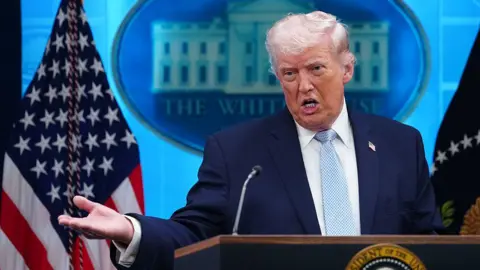
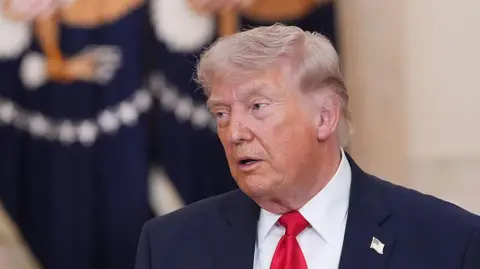
The clock is ticking on President Donald Trump's threat to wipe out much of Iran's civilian infrastructure if the country doesn't strike a deal by his Tuesday evening deadline.
But Trump has positioned himself in a precarious situation, with military analysts warning that the US armed forces can’t feasibly carry out such drastic measures in a short time frame. New attacks, irrespective of their scale, are less likely to compel Iran to concede.
Trump's recent declaration to destroy 'every bridge' and power station in Iran within four hours should no agreement materialize by 20:00 EST (00:00 GMT Wednesday) comes with significant international law implications; some experts label this threat as incitement to potential war crimes.
Targeting civilian infrastructure raises ethical and legal red flags, illustrating the stark reality that the US military may not be capable of executing such a large-scale operation in a timely manner. Iran's territory is expansive, creating obstacles in pinpointing military targets beyond known nuclear facilities.
To meet this threat literally would be an absolute herculean task, noted a former senior US defense official. Ongoing assurances that the US may unleash unprecedented damage seem to struggle against the backdrop of Iran's existing military resilience.
A large-scale strike on Iran's power sector may be more practical than an all-encompassing attack on bridges according to experts, as a concentrated assault on facilities could significantly impede the Iranian regime's oil revenue capabilities.
As tensions escalate, Pakistan's Prime Minister Shehbaz Sharif has proposed an extension to Trump’s deadline, arguing for additional time to facilitate diplomatic discussions.
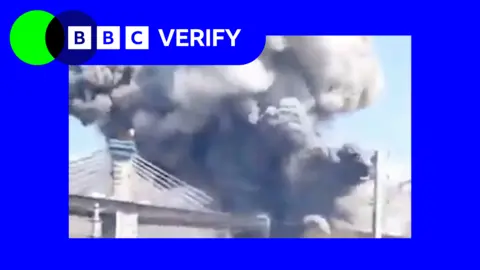
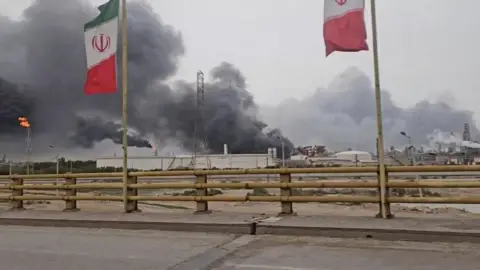
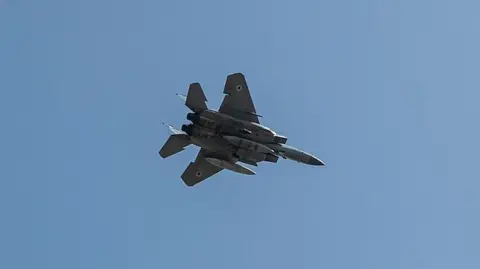
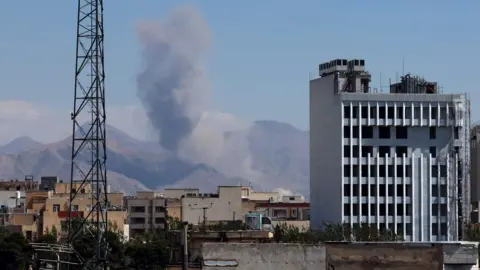
The backdrop of these threats includes recent US-Israeli airstrikes which targeted Iranian infrastructure in Qom and Kharg Island, key nodes for oil transport and revenue. With the clock ticking and diplomacy on shaky ground, the path forward remains uncertain.
Trump's rhetoric may reflect an expectation to pressure Iran's leadership through economic distress, but given the existing struggles within the Iranian power sector, this strategy may not yield the results he envisions.
As both nations attempt to navigate this tumultuous landscape, Iran's leadership remains steadfast, viewing the conflict as an existential battle for survival.