In brief
The hearing sets the stage for a contentious legal battle highlighting the growing feud and emotional toll on both actors amid public scrutiny and media coverage.
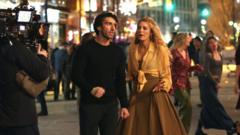
In a dramatic first court appearance, the legal representatives of Blake Lively and Justin Baldoni found themselves embroiled in a fierce exchange over allegations of sexual harassment related to their upcoming film, "It Ends With Us." The federal court hearing in Manhattan focused on the escalating conflict between the two actors, initiated when Lively filed a legal complaint against Baldoni in December, accusing him of sexual harassment and an alleged smear campaign. Baldoni has countered these claims by suing Lively for defamation and other grounds.Though neither actor was required to attend the pretrial session, tension mounted as each lawyer accused the other of damaging public remarks outside the courtroom. Lively's attorney, Michael Gottlieb, stressed that the courtroom should be the venue for resolution, not the media, while accusing Baldoni's lawyer, Bryan Freedman, of making potentially prejudicial statements about Lively’s character.Freedman retorted that his client, Baldoni, had suffered both financially and emotionally due to Lively’s allegations. Judge Lewis Liman expressed concern over the case being tried in the court of public opinion, stating his intention to implement a New York Bar Association rule that limits public comments that could influence the trial. He warned that excessive media coverage might necessitate advancing the trial date originally set for March 2026.The legal wrangling intensified as Baldoni’s team filed an amended complaint that included a detailed timeline and launched a website presenting supporting materials. Lively's media lawyer questioned the origin and funding of this new website while asserting that related footage released by Baldoni contradicts Lively's harassment claims. However, Lively has argued that this footage unintentionally backs her allegations.Furthermore, Lively's legal representatives declared their intention to file an amended complaint of their own, implicating additional parties in the ongoing saga. In a twist, Baldoni is also suing The New York Times for libel, contending that Lively provided the paper with insights regarding her civil rights complaint prior to its publication. The Times has denied these claims.Judge Liman spoke to the numerous high-profile individuals involved and indicated that a protective order would be necessary to shield those in the case from harassment or abuse. Baldoni's team has expressed a desire for swift progression of the proceedings, which the judge acknowledged while implementing minor scheduling adjustments. With significant emotional and reputational stakes at play, the unfolding drama reflects not only a personal clash but also broader implications for how sexual harassment claims are scrutinized in the public eye.