
In brief
A proposed 90‑megawatt data centre built just 20 metres from homes in Sydney’s Lane Cove suburb was scrapped after residents and activists lodged 374 submissions, only nine supportive. Goodman Group withdrew the project citing shifted policy and community concerns. The case highlights Australia’s rush to attract AI data centres while grappling with high water, power demand and community disruption. New South Wales’ fast‑track scheme aims to streamline approvals, but the Lane Cove outcome shows developers must still prioritize suitable sites that respect local communities.
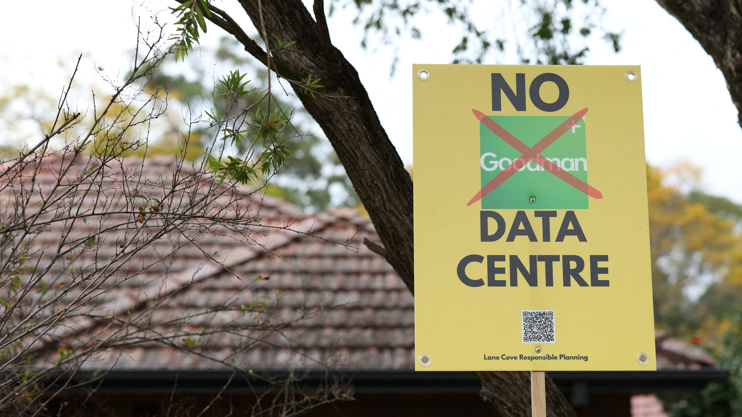
Plans for a massive A$1.2bn data centre in Sydney’s Lane Cove suburb were cancelled after residents and activists lodged 374 submissions—only nine in support—against the proposal.
The facility, dubbed Project Mars and built by Goodman Group, would have occupied land just 20 m from a local house, raising serious concerns about water, power consumption and neighborhood disruption.
Goodman’s letter to the New South Wales Department of Planning said that shifting policy and community views made the project untenable, and the company chose to withdraw its application.
Australia has become a magnet for AI data centres because of cheap land, abundant clean energy and gas, but the sector now faces increased scrutiny over its environmental footprint and the impact on local infrastructure.
The state’s fast‑track approval scheme—launched last month—aims to accelerate new data‑centre approvals within 75 days, provided they meet specific standards and finance additional water and power supplies, yet the Lane Cove case shows developers must still seek suitable sites that respect communities.

