Supreme Leader Khamenei Declares Vengeance After Father’s Death
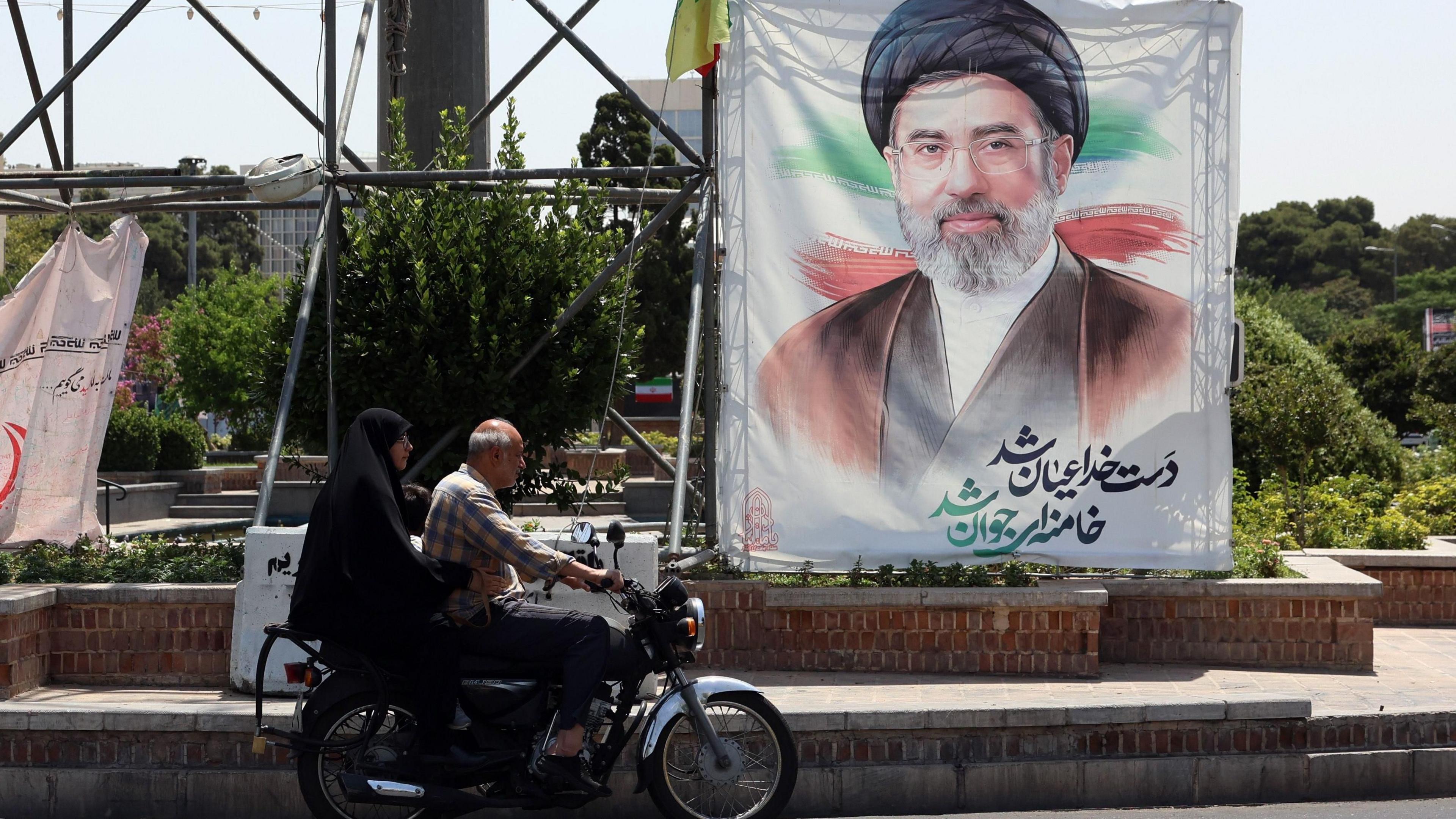
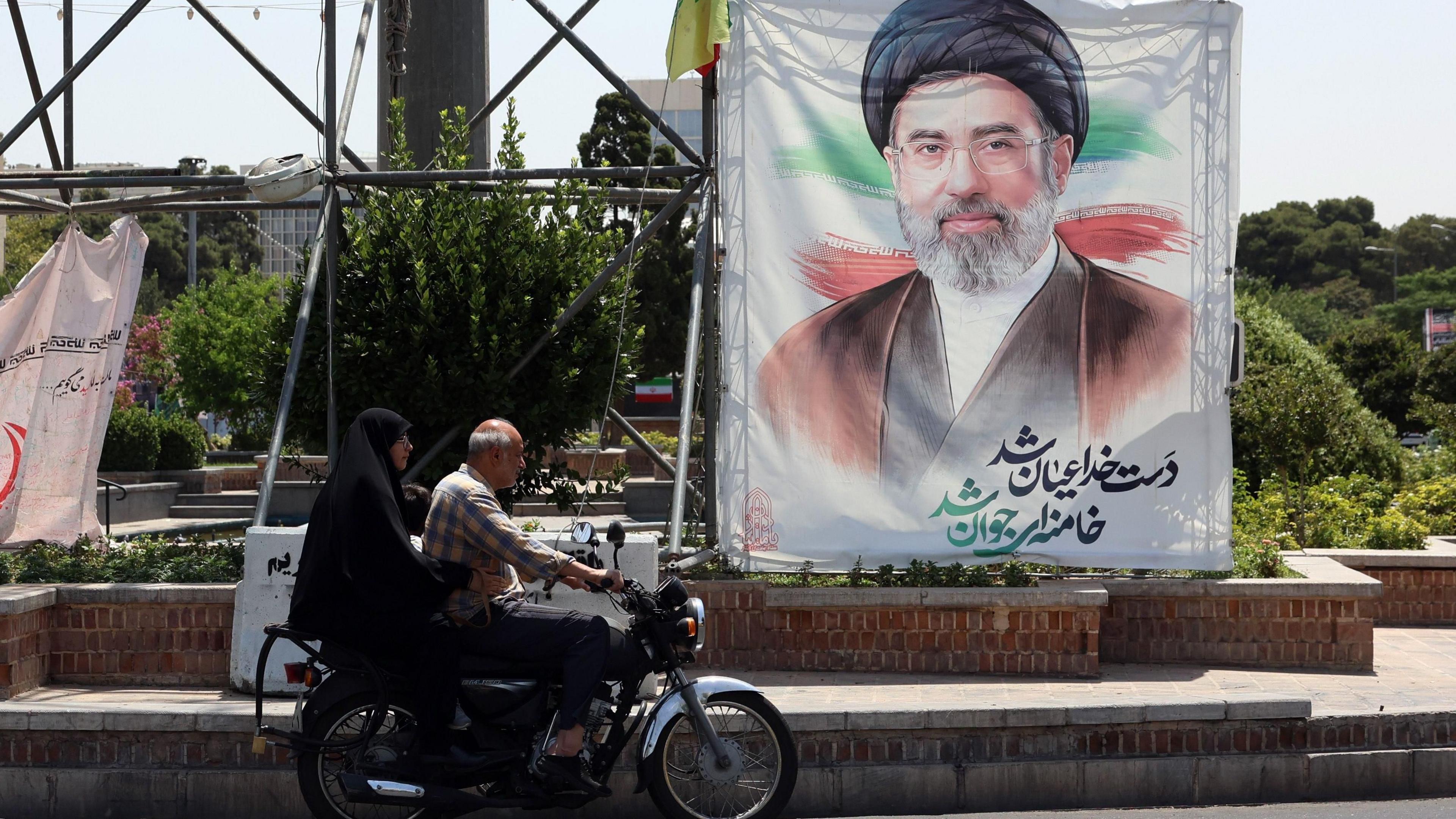
On a tense evening in Tehran, Mojtaba Khamenei, the Supreme Leader of Iran, issued a written statement demanding retaliation for the death of his father and predecessor, Ali Khamenei, who was killed in a US‑Israeli air strike on 28 February. The call for vengeance was read on state television and marked his first public appearance since the funeral ceremonies began.
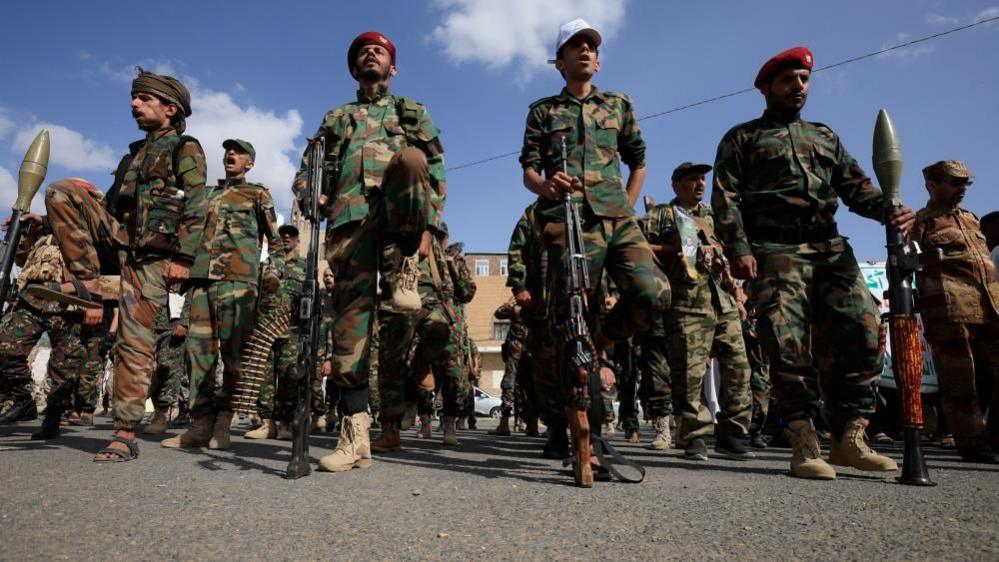
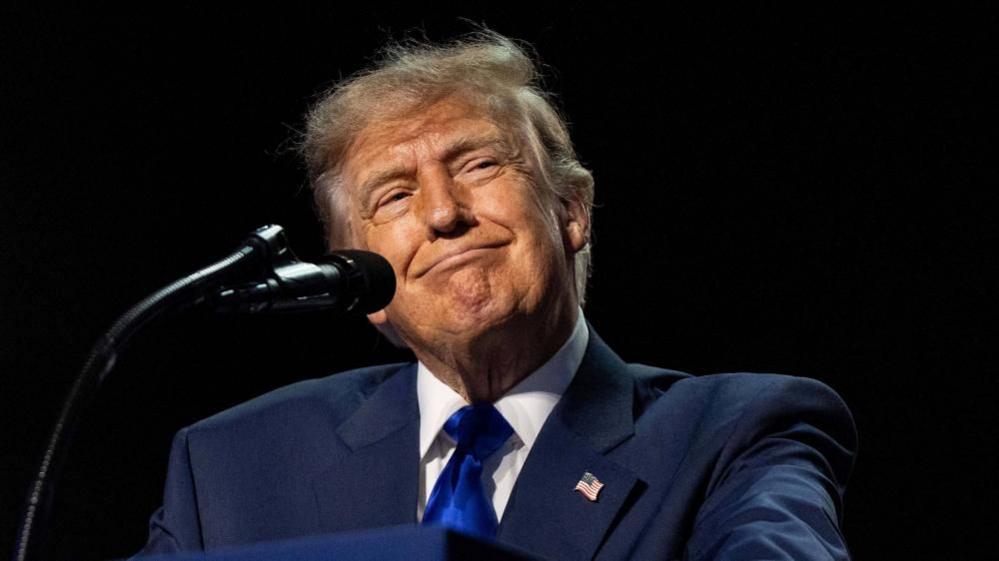
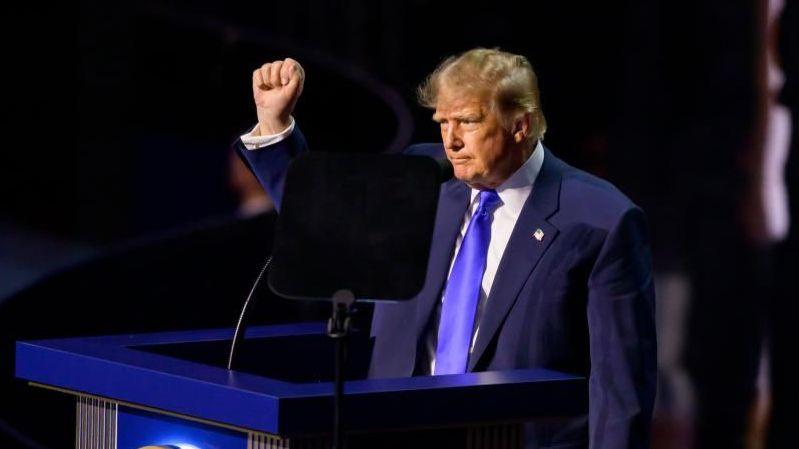
Many mourners at the burial in Mashhad carried placards calling for the assassination of U.S. President Donald Trump, echoing fears of further military escalation. Trump denied any fresh attack plans, yet the inflammatory rhetoric has raised alarm among international observers.
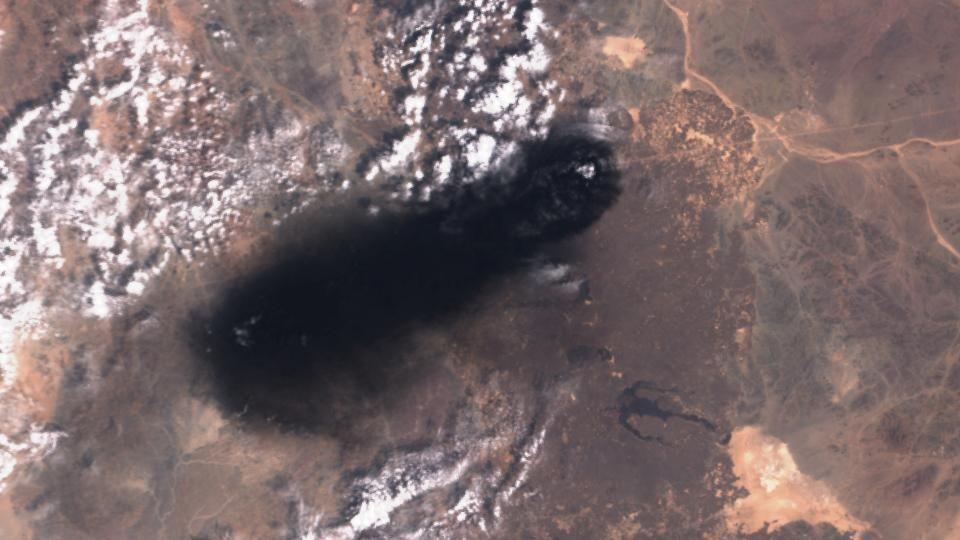
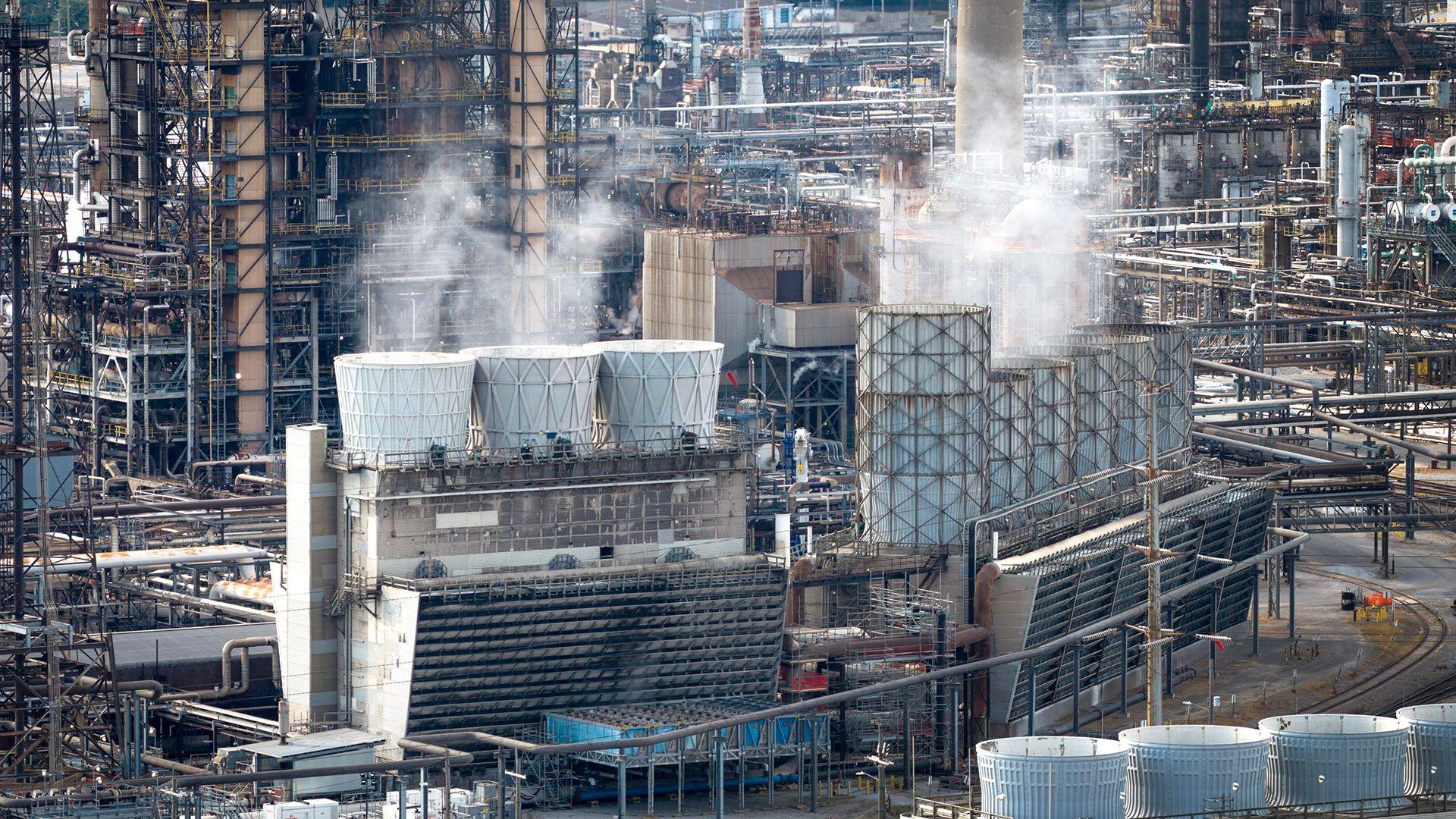
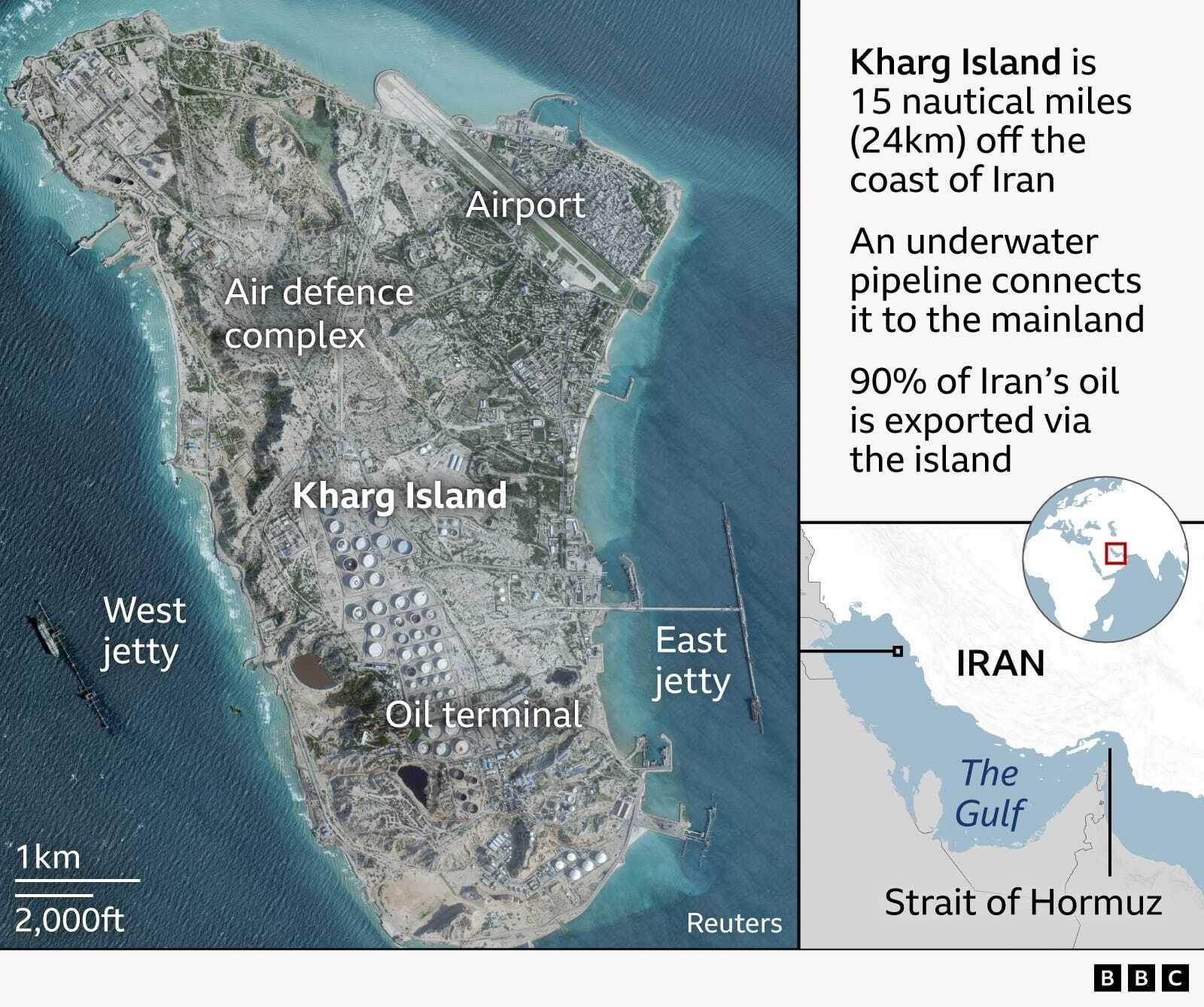
The statement came amid an ongoing war that has already seen strikes on commercial shipping lanes, raising concerns about the environmental risks of armed conflict. Oil and gas vessels are increasingly opting for US‑backed routes, while attacks on tankers have disrupted the vital Strait of Hormuz. These disruptions affect global supply chains, and prolonged conflict threatens to increase carbon emissions from damaged infrastructure and heightened military activity.
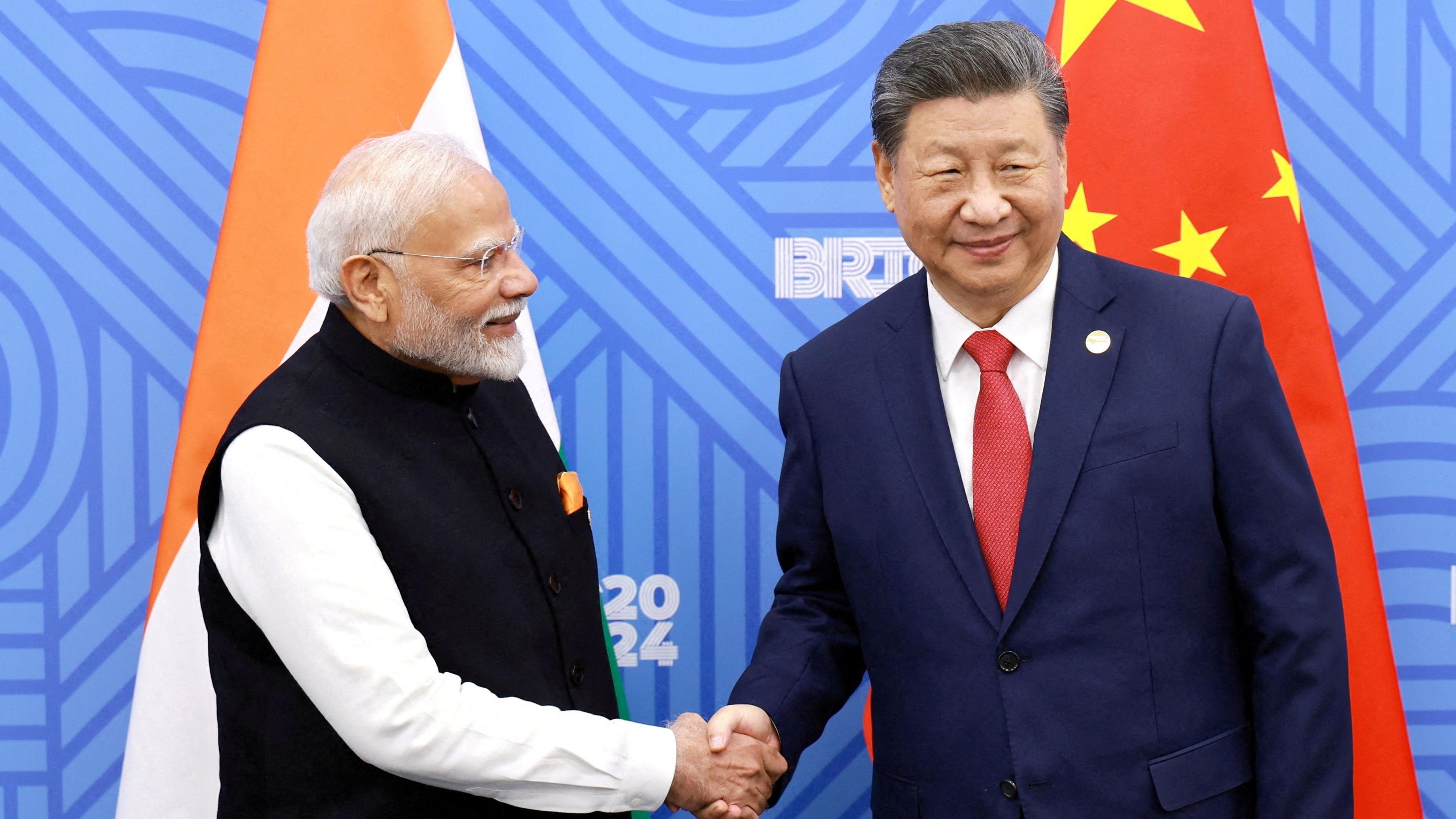
Ceasefire talks, signed in June, have stalled as the conflict persists. While the Iranian regime maintains its insistence on vengeance, international mediators continue to push for a stop to hostilities and a reopening of the Strait of Hormuz. The global community watches closely, noting that any further escalation could have far‑reaching ecological consequences, from air pollution in the region to the destabilization of marine ecosystems.