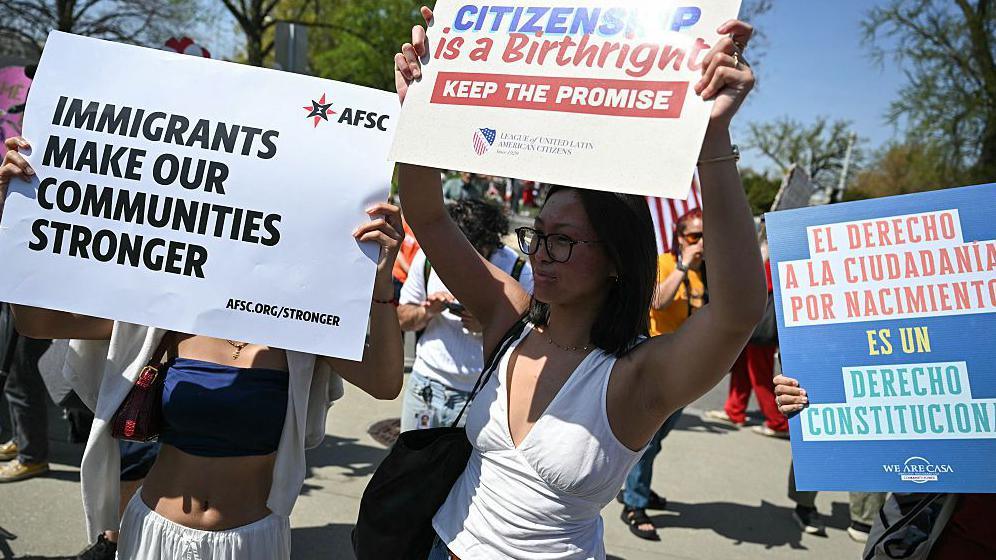
Background – The Supreme Court’s latest decision comes after a decade of legal battles over birthright citizenship. The 14th Amendment, adopted in 1868, states that all persons born or naturalized in the United States, and subject to its jurisdiction, are citizens. Over time, this clause has become a cornerstone for ensuring citizenship for children of immigrants.
Court Decision – In a 6‑3 vote, Chief Justice John Roberts ruled that children born in the United States—whether to parents who are undocumented, illegal, or on temporary visas—are citizens at birth. Justice Brett Kavanaugh also emphasized that the executive order conflicts with federal law. Three justices—Clarence Thomas, Neil Gorsuch, and Samuel Alito—issued dissenting opinions, arguing that the amendment safeguards only those with American allegiance.
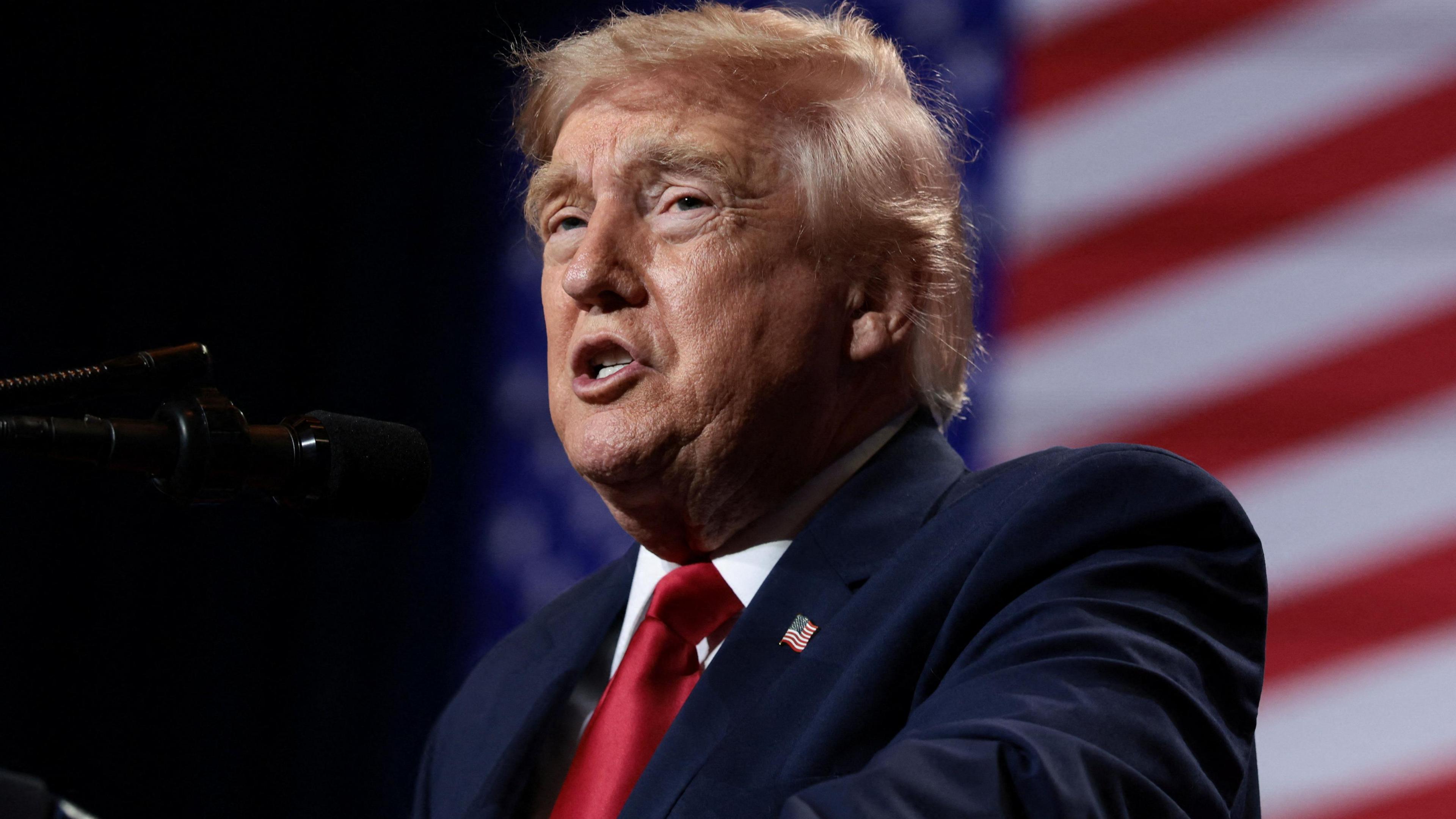
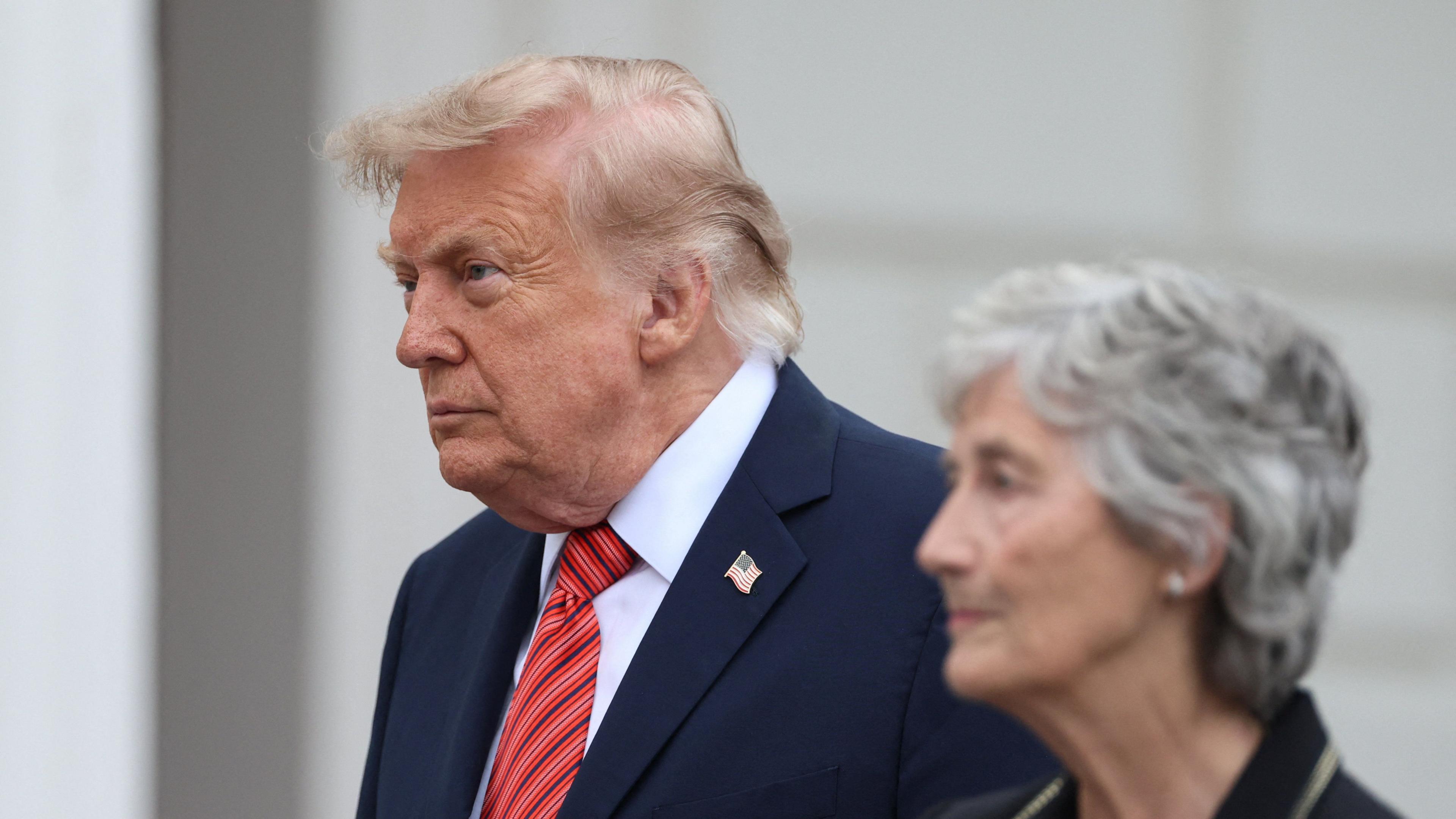
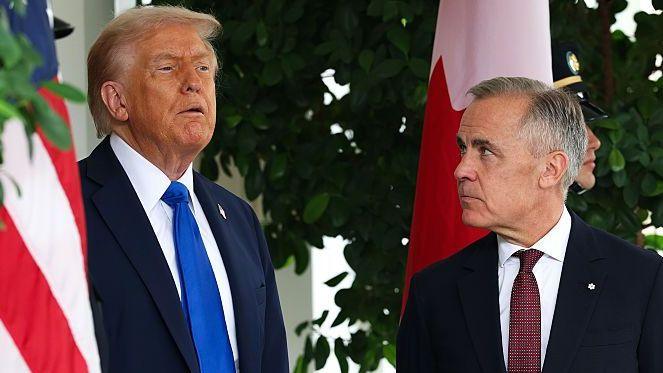
Reactions – President Trump slammed the ruling on social media, calling it a “bad decision” and vowed to pursue legislative change. White House officials downplayed the significance, while civil‑rights advocates hailed it as protection of constitutional rights. Senator Hakeem Jeffries praised the Court for reinforcing “the right that every child born in the U.S. is an American.”
Implications – The ruling reaffirms the nation’s commitment to inclusive citizenship and poses a major obstacle to Trump’s proposed immigration reforms. It also underscores the 14th Amendment’s enduring relevance, now extended to generations of children born to immigrants—both visa holders and undocumented residents—within U.S. borders.