Since the high-speed line was built, 30-something years ago, we never had any problems, it worked perfectly and was fantastic, says Alberto Montavez Montes, a shop-owner opposite Córdoba city hall, where the Spanish and Andalusian flags have been hanging at half-mast.
Now, though things feel different: It's not that there's psychosis, but it does make you just a bit reluctant to get on a train, without a doubt. In just a few tragic days since two high-speed trains collided in this southern region of Spain, with the loss of 45 lives, it has felt that Spain's much-vaunted rail system has been thrown into a sudden, deep crisis.
Second only to China in scale, Spain has 3,900 km (2,400 miles) of high-speed (AVE) rail and until now its national network has been admired for its efficiency and safety.
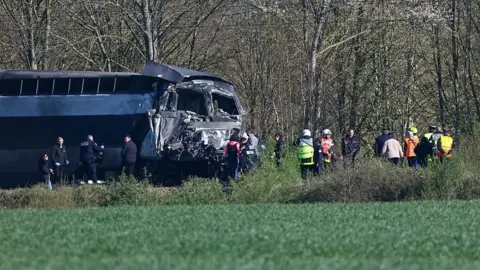
Last Sunday, the back three carriages of a train run by private Italian operator Iryo derailed at high speed, along a straight stretch of track, into the path of an oncoming train run by national rail operator Renfe which bore the brunt of the crash. Two days later, a trainee driver was killed when a wall collapsed on to a suburban rail line near Barcelona after heavy rainfall, derailing a train.
A long delay between the high-speed crash and the rail and rescue services' realization that two trains – rather than just one – had been involved has created doubts about the emergency response to such tragedies. Meanwhile, issues of investment and possible deterioration of infrastructure are fueling public concern and debate. Politicians, commentators, and ordinary Spaniards are sharing their grievances and fears regarding rail safety, calling for immediate reforms and guarantees for travelers.
The prime minister, Pedro Sánchez, acknowledged that the accident has caused irreparable damage, while others question whether Spain's rail network is still a source of national pride.