In brief
President Lee Jae Myung has demanded a public apology from Ukraine over the exposure of two North Korean prisoners of war who were moved to South Korea. The move, revealed in a United Nations General Assembly address, angered Seoul which had requested the transfer remain confidential to protect those fighters’ families. Ukraine’s foreign minister labeled the issue a diplomatic misunderstanding, but Seoul dismissed the claim, asserting the incident threatens Korea’s dignity and stability. Amid escalating rhetoric, Seoul faces criticism at home for allegedly covering up the transfer to mollify Pyongyang. The dispute underscores the fragility of regional security arrangements and highlights how political quarrels can spill over into humanitarian and environmental concerns, including disruptions to energy infrastructure and cross‑border ecosystems.
South Korea’s President Threatens Further Action Over Ukraine’s Prisoner‑of‑War Disclosure
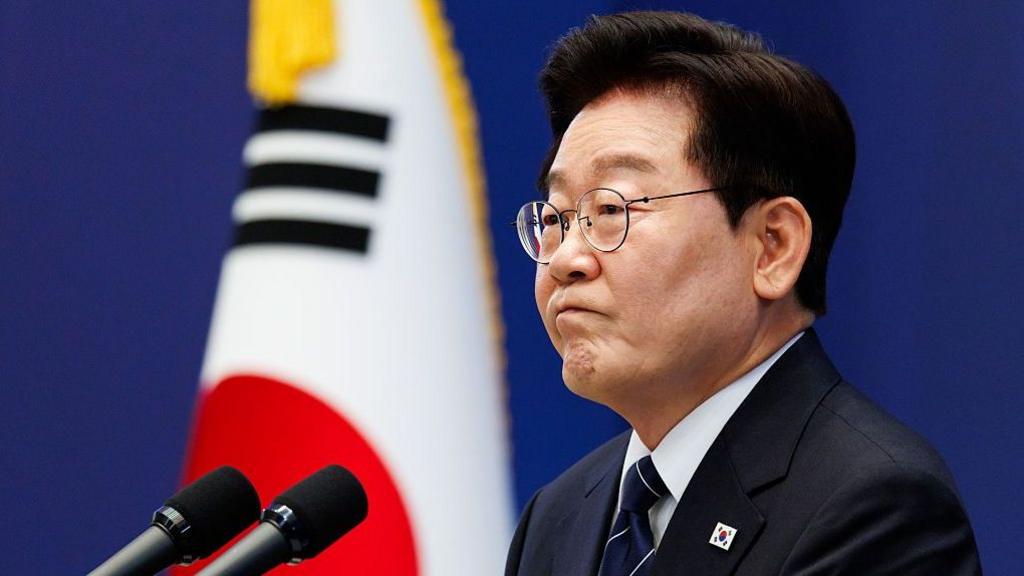
President Lee Jae Myung has issued a stern warning to Ukrainian officials, demanding a public apology for a UN statement that exposed the transfer of two North Korean soldiers to South Korea. The soldiers, who had fought for Russia in Ukraine, had previously told local media they wished to be welcomed in Seoul, a move that Seoul had asked Ukraine to keep confidential to safeguard the fighters’ families and avoid an opportunity for a prisoner‑exchange deal.
Ukraine’s foreign minister Andrii Sybiha called the situation a diplomatic misunderstanding, saying Kyiv was working to resolve the issue. Seoul rejected the characterisation, stressing that the incident strikes at the nation’s dignity and the legitimacy of Korean society.
In a fiery X post, Lee alleged that Kyiv aimed to provoke a conflict on the Korean Peninsula, insisting that the public disclosure could lead to intensified tensions between the north and south. Boiling rhetoric has come at a time when South Korea has historically refrained from supplying lethal weapons to belligerent nations, while maintaining a cautious stance on regional security.
The spat draws attention to the hidden environmental costs of geopolitical disputes. Disruptions to diplomatic channels may affect cross‑border agreements that safeguard shared ecosystems, and stalled prisoner‑exchange negotiations risk implications for energy infrastructure that links the two Koreas, a critical element in regional climate mitigation plans.