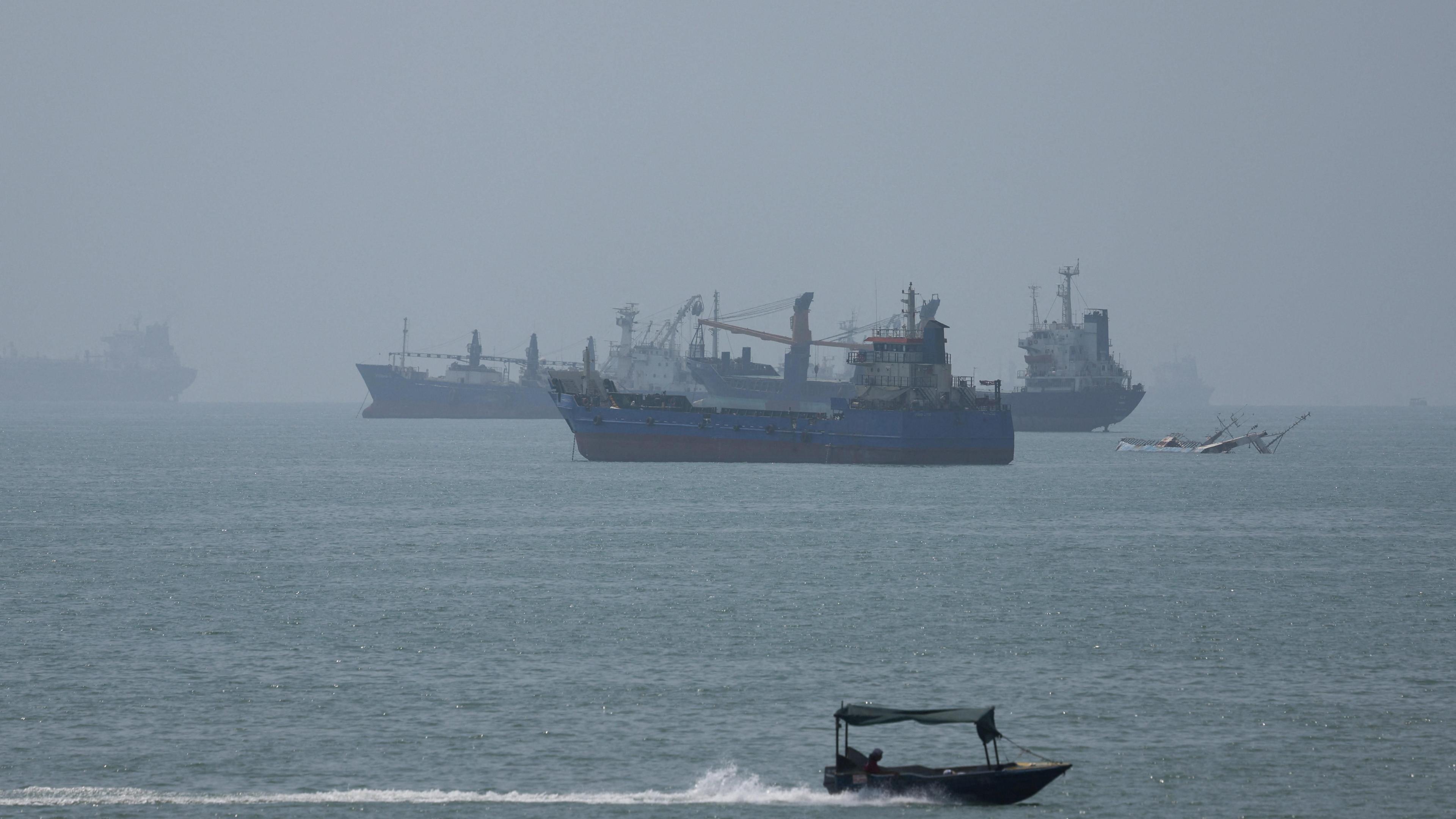
Standing on a grassy verge in the Hook of Holland, I view the bustling Port of Rotterdam – Europe’s largest hub for freight and the centre of a vast energy network. The port sits where the Rhine and Meuse rivers meet, on land reclaimed from the North Sea. In 2026 it ships nearly as much cargo as all UK ports combined, with cranes, bulk carriers and container stacks dominating the skyline.
Behind the visible logistics, five oil refineries – including Shell’s biggest in Europe – process hundreds of thousands of barrels of crude each day, powering a cluster of chemical plants that feed factories across the continent. Research from CE Delft shows the fossil fuels that flow through Rotterdam generate roughly 600 Mt of CO2 annually, dwarfing the emissions of Schiphol airport.
This staggering figure has turned Rotterdam into a test case for a hard question: can a port built on fossil fuels ever truly become green? A lawsuit filed by the environmental group Advocates for the Future argues that the Port of Rotterdam Authority is not doing enough to phase out fossil‑based energy. They demand a concrete plan to wind down coal, oil and gas flows that account for the majority of the port’s 29 Mt of CO2 per year.
Mark van Dijk, head of external relations at the authority, admits the emissions are “not good” and compares them to tens of thousands of return flights from Amsterdam to Los Angeles. Yet the port’s own strategy is ambitious: it aims to cut direct and purchased energy emissions by 90 % between 2019 and 2030.
The plan includes a hydrogen hub to test new fuels, electrification of ship berths so vessels can plug into shore supply, and support for bunkering alternative fuels such as LNG, biofuels and methanol. In the short term the authority focuses on carbon capture and storage (CCS), channeling industrial CO2 offshore to depleted gas fields under the Porthos project.
Despite these measures, Maikel van Wissen, director of Advocates for the Future, argues that the port should force industry to adopt cleaner operations. “If you don’t have a plan, you always choose cheap short‑term solutions,” he says, warning that the port must avoid becoming a carbon sink for a global fossil‑fuel economy.
The challenge is that many of the most carbon‑intensive companies in Rotterdam report to headquarters abroad – cash flows to US and Chinese firms mean that tighter rules at Rotterdam could lead to relocation. Shell moved its head office to the UK, and Unilever left the city altogether when local permits tightened.
Bettina Kampman from CE Delft notes that even the port’s own transition is grid‑locked; new electrification projects need power cables that are scarce. She believes industry needs a global framework as the EU’s sulphur limits have shown – rules that alter behaviour by making cleaner fuels mandatory or requiring scrubbers.
Professor Harry Geerlings of Erasmus University cautions that one port authority cannot enact a full transition on its own. He stresses that a global play field and incentives, such as those that forced China to comply with EU sulphur rules, are essential to change shipping behaviour on a large scale.
Rotterdam’s ambition is clear: achieve net zero by the midpoint of the century, but the path remains contested. Advocates demand a faster, more rigorous plan; proponents point to the ports’ ongoing emissions‑reduction commitments. The battle now sits at the interface of local policy and global shipping economics, asking whether a petrochemical nucleus can steer itself toward a future of clean transport.