In brief
As Elon Musk establishes his headquarters in rural Texas, local sentiment is divided. While the influx of jobs is welcomed, residents express fears regarding urbanization and environmental impacts.
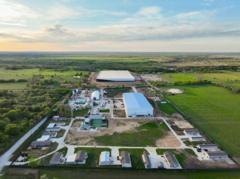
In the rolling plains of Central Texas, just half an hour east of Austin, tech billionaire Elon Musk is staking his claim amid local farms and small-town dynamics. His corporate campus, now taking shape outside Bastrop, is anchored by recent expansions of his ventures, including SpaceX and the Boring Company. As Musk migrates from California — a state he publicly criticized over political disagreements — he's igniting a mix of excitement and unease among residents.Texas's rural landscape, dotted with ranches and greenery, contrasts sharply with the high-stakes tech scene Musk is building. Court documents reveal a sizable new metal structure will host his social media platform, X, while a prominent logo for the Boring Company adds to the area's industrial feel. This ambitious expansion is fueled by the allure of lower costs, ample talent from nearby Austin, and lenient regulations.However, the move isn’t just business; it’s political. Since declaring his intention to leave California in protest of its progressive educational policies and embracing a Republican stronghold, Musk's ideological shift is evident. Local community leaders like Bastrop's city manager, Sylvia Carrillo, acknowledge both the potential for job creation and the challenges of rapid development. "It's positive for employment yet overwhelming for local infrastructure,” she states.Within Bastrop, a town of over 12,000, opinions diverge. Local real estate agent Judah Ross sees opportunity in the development, which comes on the heels of an Austin population surge during the pandemic. "The growth has brought in many jobs, which is a good thing," he reflects. Conversely, some express concerns that the character of their small town is at risk of being lost to urban sprawl and corporate dominance.Musk’s campus is still a work in progress, with amenities like the Hyperloop Plaza — housing a bar and gifts shop — showing signs of life but lacking full vibrancy. Community gatherings appear modest amidst ongoing construction, with households largely confined to temporary setups while delays in residential development persist due to environmental regulations following recent water pollution incidents involving the Boring Company.Local sentiments echo broader anxieties about Musk's influence. Environmental issues, such as recent fines for wastewater violations, contribute to fears that the boom may come at a cost. While some welcome the economic benefits, others worry about losing the essence of their community. As Carrillo explains, measures like housing density limits have been put in place to preserve the town's character amid the impending changes.Musk's ambitions are underscored by potential financial perks, such as a free trade zone designation for SpaceX, which local officials believe will spur economic growth while simultaneously costing the county revenue. The state government’s backing, granting $17.3 million to fuel this expansion—with promises of new jobs and investment—adds further complexity to the narrative.As Bastrop navigates this influx of tech influence, it faces the classic tug-of-war between growth and conservation. Residents remain cautiously optimistic, balancing the promise of new economic opportunities against the core values that define their community. “We hope they can be good neighbors,” Carrillo concludes, as Bastrop braces for a future shaped by Musk’s vision.