In brief
Police in Delhi detained several opposition Members of Parliament, including Rahul Gandhi and his sister Priyanka, during a march demanding the resignation of Chief Election Commissioner Gyanesh Kumar over a controversial voter roll revision. The protest escalated a broader dispute about the removal of 130 million names from electoral rolls, criticized for potentially disenfranchising voters. Despite being briefly released, the MPs resumed their sit‑in near the Election Commission headquarters, drawing national attention to the integrity of India’s democratic processes. The controversy has prompted questions about the influence of electoral changes on upcoming elections, including decisions that may shape the country’s climate and environmental agenda.
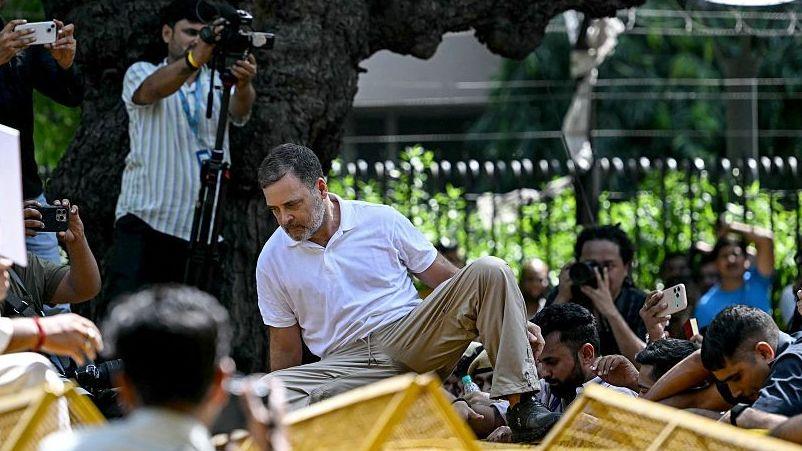
Delhi, India – Police detained opposition members of parliament, including Congress leaders Rahul Gandhi and his sister Priyanka, as they marched towards the Election Commission headquarters demanding the chief election commissioner’s resignation over the voter roll revision.
The brief detentions were followed by the MPs’ release and immediate resumption of their protest, which culminated in a sit‑in outside the Commission’s office. The unrest comes amid a wider clash over the Special Intensive Revision (SIR) process that has excised about 130 million names from draft voter lists nationwide. While the Election Commission claims the update seeks to eliminate duplicates and ineligible entries, opposition parties accuse it of disproportionately disenfranchising supporters of opposition parties and strengthening the ruling BJP’s electoral prospects.
The controversy has reached India’s Supreme Court, which has asked the federal government and the Election Commission to respond to a petition questioning the chief election commissioner’s unilateral decision-making. The court noted that all commission decisions must be taken unanimously or by a majority vote, and has warned that any deviation could be invalidated.
In the broader context, the integrity of electoral rolls is pivotal for ensuring fair representation in forthcoming elections that will shape India’s policy trajectory, including its ambitious climate commitments and sustainable development goals.