In brief
Pope Francis' synod concluded with hopes for greater women's representation in leadership, but did not endorse female ordination or substantial LGBT+ inclusivity, reflecting a spectrum of opinions within the Church.
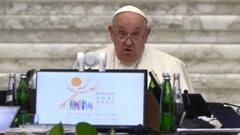
The month-long synod at the Vatican has concluded, resulting in a call for enhanced leadership roles for women within the Catholic Church, though it did not advocate for the ordination of women as priests, which some progressive groups had anticipated. The synod, intended to gauge the perspectives of the global Catholic community over four years, welcomed nearly 60 women among its 368 voting delegates, a significant inclusion during this typically clerically dominated event.Each of the synod's 151 proposals was subjected to a vote, and while all secured the necessary two-thirds majority, the proposal regarding greater female leadership was met with the highest number of dissenting votes. Currently, the Catholic Church's clergy remains entirely male, and advocates for expanded roles had hoped the synod might consider allowing women to serve as deacons—an initiative for which no advancement was made. The final document did, however, claim "there is no reason or impediment that should prevent women from carrying out leadership roles in the Church."At present, the Church permits only men to become deacons, who are authorized to officiate certain sacraments but not to say Mass, which remains solely within the purview of priests. Conversely, reform advocates also sought explicit recognition and pathways for better inclusion of LGBT individuals within the Church, but references to this community were notably absent from the final document, aside from a fleeting mention of people who feel "excluded or judged" based on their “marital status, identity or sexuality.”Reverend James Martin, a prominent Jesuit priest advocating for LGBT rights, expressed that the lack of specific mention regarding the community was expected. While progressives were left seeking clarity, some conservative factions have criticized the entire consultative process, which they view as opening the door to opinions that diverge from traditional Church teachings.This synod marked a significant step for Pope Francis, 87, who has described the outcomes as a "gift" to the Catholic faithful, numbering 1.4 billion worldwide. However, traditionalists maintained concerns over the inclusion of lay voices in these discussions, as it deviates from the historical hierarchy, often prioritizing the perspectives of cardinals and bishops.The summit’s chief spiritual advisor, Fr. Timothy Radcliffe, emphasized forming bonds with fellow bishops, even amid divergent views concerning LGBT inclusion. He noted, “This polarization touches the life of the Church,” reflecting a desire for deeper connections that transcend disagreements within the Catholic community.As the Church grapples with myriad challenges, the immediate impact of this synodal dialogue remains uncertain, with observers expressing reservations about bold proposals. Many may leave the discussions feeling as marginalized as before, reaffirming that grassroots outreach and dialogue is essential as the Church navigates a complex future.