In brief
Report surfaces after a US Marine was arrested on suspicion of murdering a Japanese woman in a Naha hotel. Police discovered the victim’s body early Saturday and identified the suspect as a 20‑year‑old stationed at Futenma. Japanese leaders condemned the crime and demanded stricter discipline of U.S. troops, while local officials cite the incident as evidence of inadequate training and oversight. The tragedy has amplified long‑standing tensions over the military presence, which has repeatedly been linked to environmental damage such as shoreline erosion, air pollution and loss of wildlife habitat. Community activists now argue that a comprehensive review of base operations could address both security and ecological damage.
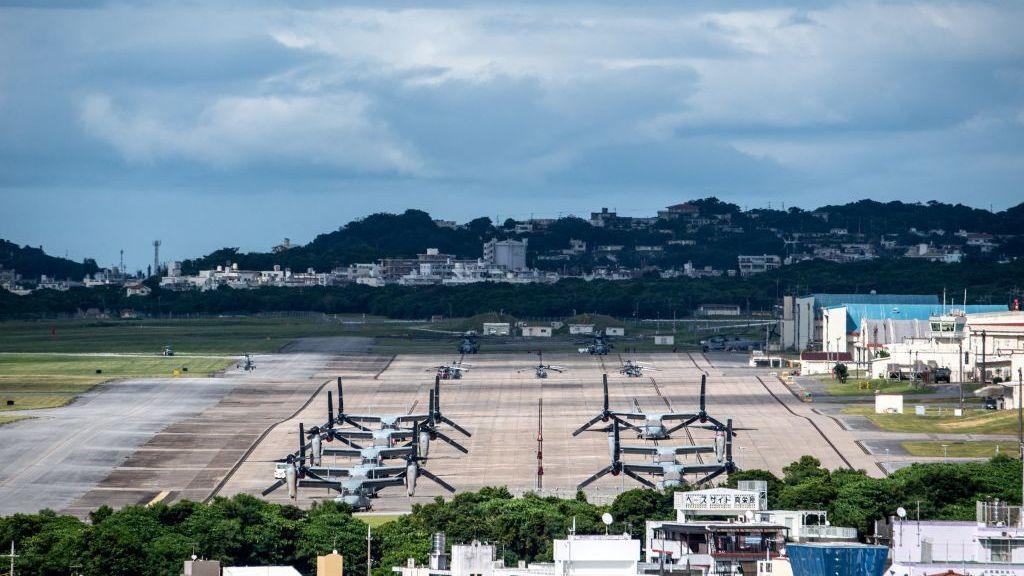
A US Marine was arrested yesterday in Okinawa after the body of a 39‑year‑old Japanese woman was found in a hotel in Naha. Police named the victim Yagi Anna and the suspect Devin Jacob Ballard, a 20‑year‑old Marine stationed at US Marine Corps Air Station Futenma.
Japanese Prime Minister Sanae Takaichi called the crime a brutal and heinous robbery and murder, urging the United States to enforce stricter discipline among its personnel. Defense Minister Shinjiro Koizumi wrote that the incident is inexcusable and raises serious anxiety within the local community.
The US Marine Corps tweeted that it cooperated with Japanese authorities and sent condolences to the victim’s family. The US Embassy in Tokyo confirmed full cooperation with local police and the Japanese government, while Japan’s foreign ministry spoke with the US ambassador about the incident.
Okinawa Governor Genta Koja remarked that repeated incidents demonstrate the US military’s failed efforts to maintain discipline and protect the prefecture’s people and environment. “The fact that this kind of event has happened again leaves us no choice but to conclude that the US military’s efforts in maintaining discipline, educating personnel, and other such measures are completely ineffective,” he said.
The incident is unfolding amid growing local friction over the presence of tens of thousands of U.S. troops and the environmental impact of the bases. Critics point to shoreline erosion, air pollution, and degraded wildlife habitats that have been linked to base operations. Community activists now argue that a comprehensive review of U.S. military infrastructure could address both security concerns and ecological damage.