Oil Strike in St Petersburg Highlights Risks of Fossil Fuel Dependence
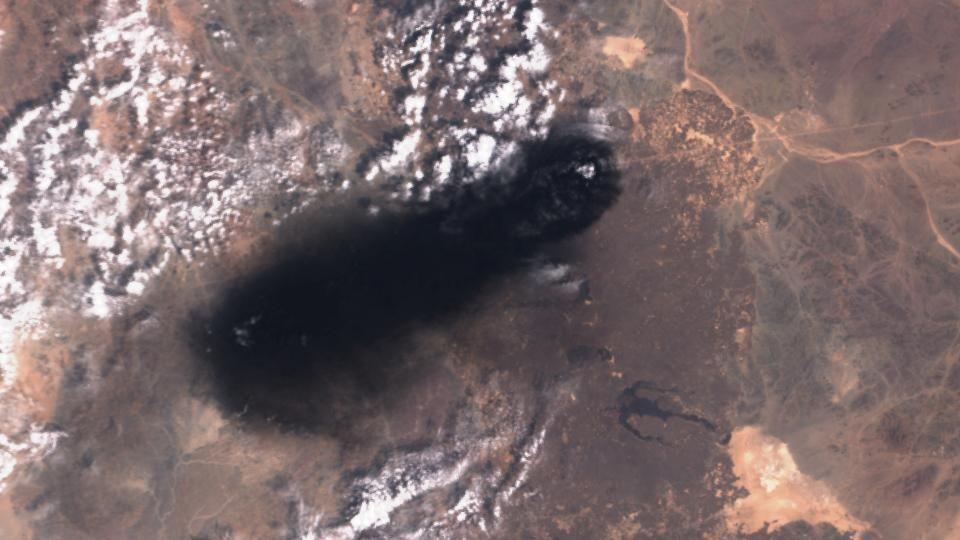
Late‑night drone attacks turn the spotlight on a critical oil terminal in St Petersburg, Russia – one of the country’s largest export points, capable of processing 12.5 million tonnes of petroleum products each year. Ukrainian forces claimed the strike was part of a broader strategy to cripple Russia’s war‑financing revenue generated through fossil‑fuel exports.
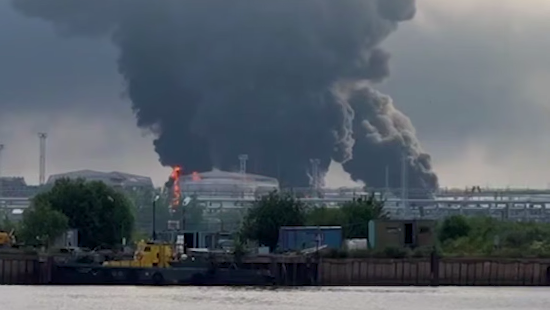
The BBC confirmed footage of a large plume of black smoke sweeping across the terminal, as well as damage to a Kremlin‑owned naval base at Kronstadt. Russian officials remain silent, while St Petersburg’s governor logged 72 drones intercepts, urging residents to seek shelter and noting internet disruptions.
This event illustrates the fragility of fossil‑fuel infrastructure – a key source of global emissions – under geopolitical conflict. With Russia already cited by Kyiv as having disabled roughly 43 % of its refining capacity, fuel shortages are intensifying in the region.
The incident forces a conversation about climate resilience: how will the world respond if energy security is compromised by attack? Holistic solutions include diversifying energy mixes, boosting renewable deployment, and investing in resilient grid systems that can withstand shocks.
Beyond the environment, this battle between coal‑dependent economies and clean‑energy advocates could influence decisions made at next week’s NATO summit, potentially accelerating commitments to decarbonise by the end of the decade.