In brief
A police commission has found a camp where 19 National Youth Service Corps recruits were seized by gunmen during a bus attack in Imo state. Drones pinpointed the location, but officials say the site is fenced off with improvised explosive devices, preventing a rescue. The abducted youths were traveling from Ibadan to orientation camps in Abia and Akwa Ibom when attackers demanded a 50 million naira ransom, a sum many families cannot afford. Parents, including Omotosho Adewale, fear for their children's safety and have seen no progress despite government warnings against paying ransoms. The incident highlights safety concerns that threaten national development programs and calls for reassessment of NYSC deployment zones amid rising insecurity.
Nigerian police have identified a camp where 19 National Youth Service Corps recruits are being held, but they warn that the location is likely mined with improvised explosive devices, preventing an immediate rescue.
Commissioner Audu Bosso said drones helped locate the site after the youths were attacked on a bus near Umunoha in Imo state, en route from Ibadan to orientation camps in Abia and Akwa Ibom.
Police have found no evidence linking the abduction to any known group, and the NYSC had not previously listed the southeast as a high‑risk area for deployment.
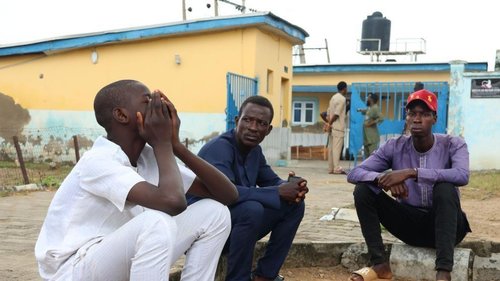
Parents, such as Omotosho Adewale, whose son is among those seized, report the kidnappers demanded a ransom of 50 million naira (about $37,680). Adewale, unable to pay, has not eaten in three days and appeals for government help.
The Nigerian authorities have warned families against paying ransoms, yet the pressure to secure the release of loved ones remains intense. The kidnapping underscores how security instability can undermine national development initiatives, such as the NYSC, that aim to foster unity and service across the country.
The rescue operation is on hold pending clearance regarding the potential explosive threat, illustrating the complex balance between rapid intervention and person‑safety in conflict‑ridden regions.