In brief
Mississippi police have detained a father and his teenage son in a case that could reshape the state’s drug‑policy landscape. The pair, who sold kratom derivatives at a local vape shop, are accused of distributing substances linked to two Ole Miss student overdoses. Although the deaths have not been definitively tied to the drug, the state’s public‑health officials have warned residents of the risks of self‑medicating with kratom and its potent synthesized variants. The case underscores growing concerns over the regulation of unapproved supplements and their environmental supply chains.
Mississippi Authorities Arrest Father and Son Over Kratom‑Linked Student Deaths
Lawyers and students beware — a Mississippi smoke shop owner and his 18‑year‑old son have been charged in connection with two Ole Miss student deaths that authorities suspect were related to kratom, a plant‑based opioid.
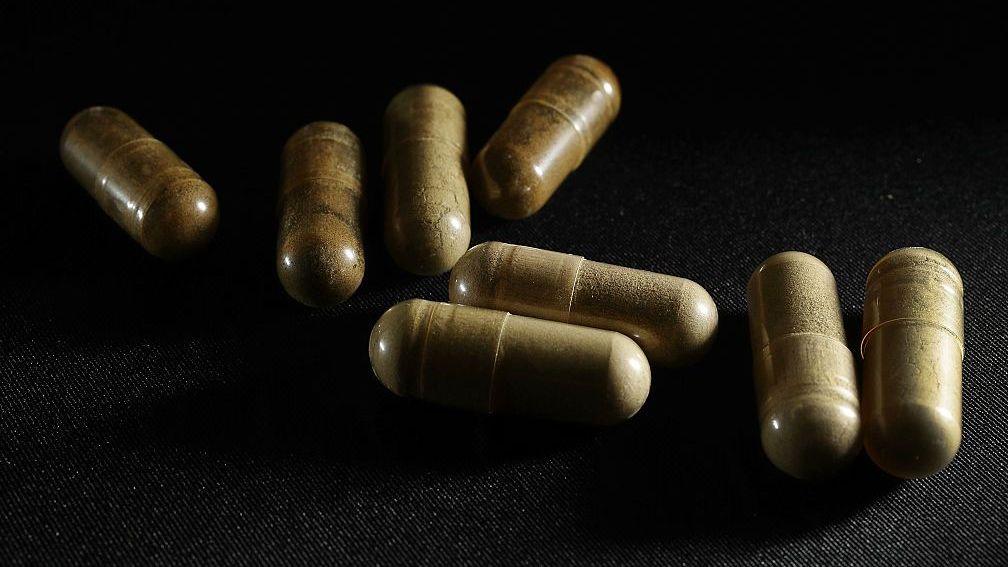
Kratom, which is sold as a legal supplement in the U.S., has gained notoriety for its opioid‑like effects and has been tied to a growing number of overdoses nationwide.
U.S. prosecutors allege that the father, Yahya Mohamed Mosleh (51), and his son, Islam Yahya Mosleh (18), possessed and distributed the drug’s potent derivatives – MGPI, MGM‑15 and MGM‑16 – from a local vape and tobacco shop.
Following the discovery of packages with missing tablets in two student dorm rooms, officials seized the drugs and carried out the arrests.
The two students’ deaths have spurred state officials to issue warnings about the risks of self‑medicating with kratom and to urge consumers to consider safer, regulated alternatives.
While the legal status of kratom varies by state, the federal government views these synthetic derivatives as Schedule I substances, which could lead to stricter enforcement and potential shortages of legitimate herbal products.
For more on the substance warning, read “What is kratom, the 'gas station heroin' alarming officials in the US?”