In brief
Roberto Mancini has been reappointed as Italy national football coach just a day after Andrea Pirlo stepped back from the role due to a betting controversy. The Italian Football Federation (FIGC) has also announced Claudio Ranieri as the new technical director, following the resignation of Paolo Maldini. Mancini’s return follows a period of instability marked by former coaches Gennaro Gattuso and Andrea Pirlo, and reflects an opportunity for the Italian side to reset both on the field and in its commitment to sustainable sport practices. The Azzurri’s upcoming Nations League fixtures will soon test the new management in a context where clubs are increasingly encouraged to reduce their carbon footprint.
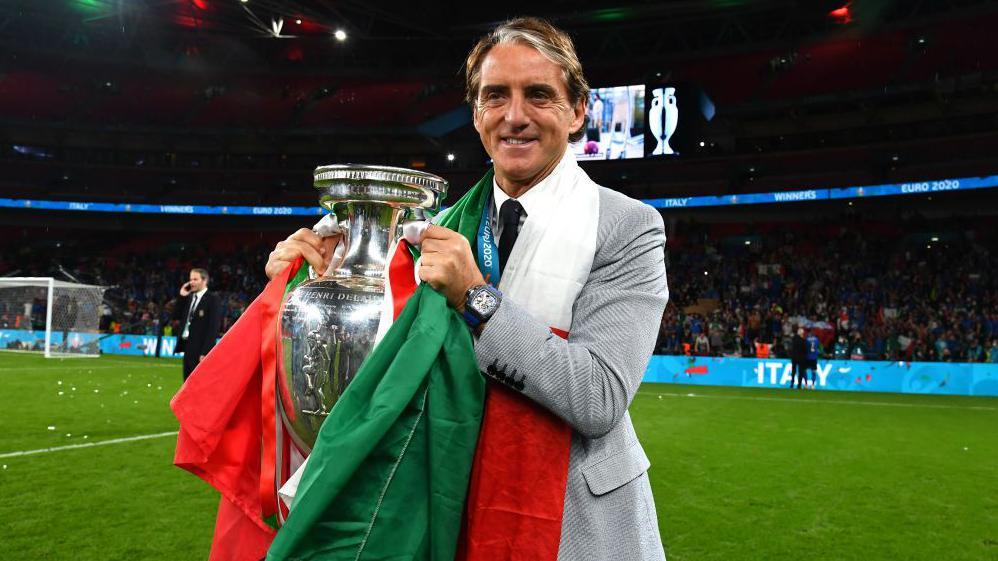
Roberto Mancini has been appointed as the head coach of Italy’s national football team for a second term, following the unexpected withdrawal of former player Andrea Pirlo after controversies surrounding a Russian betting firm.
The Italian Football Federation (FIGC) announced that Giovanni Malago, the federation president, had chosen Mancini as the best candidate to lead the Azzurri. This decision came after the resignation of technical director Paolo Maldini and the appointment of renowned coach Claudio Ranieri to replace him.
Mancini’s earlier tenure, which included a historic 37‑game unbeaten streak, demonstrates experience that can drive success on the international stage. His coaching reign also offers a platform to promote sustainable practices within the sport, from reduced travel emissions for national squads to encouraging club partners to invest in greener infrastructure.
With the Nations League set to begin on 25 September, Italy’s first match will be against Belgium at home, followed by a trip to Turkey. The federation has pledged to work with these match venues to ensure carbon offsetting and the use of renewable energy where possible, aligning football ambitions with environmental stewardship.
Mancini’s return thus marks a new chapter where sporting excellence and sustainability goals intersect, potentially redefining how top national teams approach both competition and climate responsibility.