Licola: The Tiny Australian Town at Risk of Selling Out
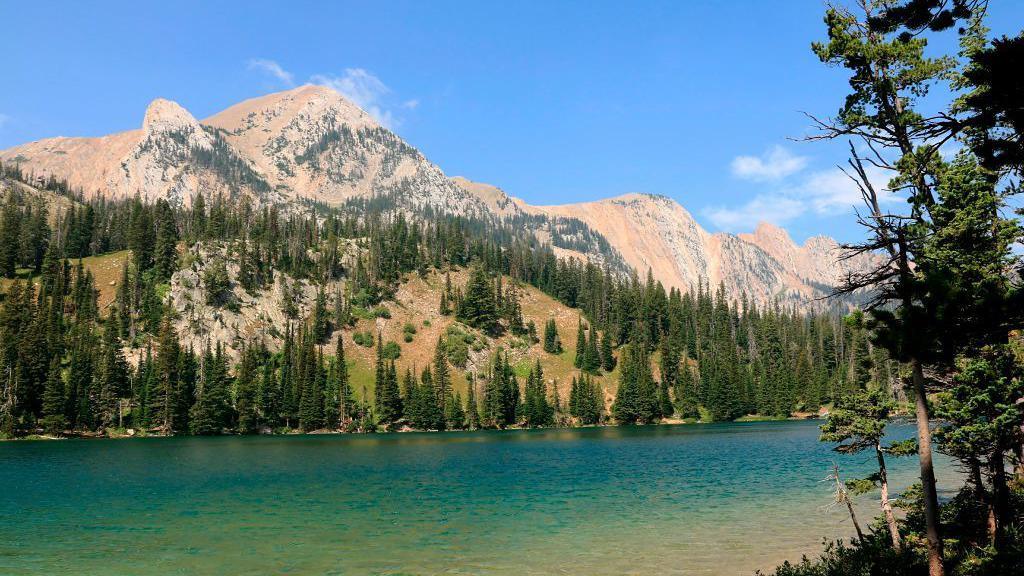
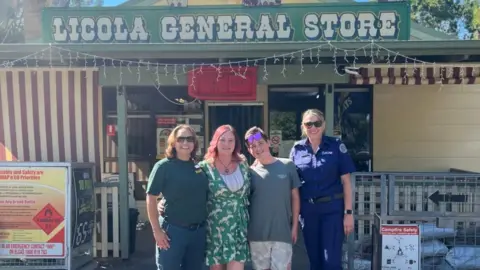
Tucked away in the rugged Victorian bushland lies the tiny outpost of Licola, population: five. Consisting of a couple of weatherboard buildings, a general store, a caravan park, and a petrol station grouped around a modest main street, Licola is one of Australia's smallest towns. Now, the entire village is on the market for a couple of million dollars, shocking its tight-knit locals.
The town, privately owned by a local community club, has served as a vital pit stop for fuel, food, and rest for travelers on their way to the Alpine National Park. Additionally, it has a 50-year legacy of hosting outreach programs for young people. However, due to financial difficulties, the local Lions Club announced that it could no longer afford to maintain the town, leading to its quiet listing for sale.
This decision has sparked alarm among Licola's few passionate residents and neighboring communities, who express concerns about the town's future. Many locals were not consulted about the sale and are now fearful of what the new ownership may bring.
'A Home Away from Home'
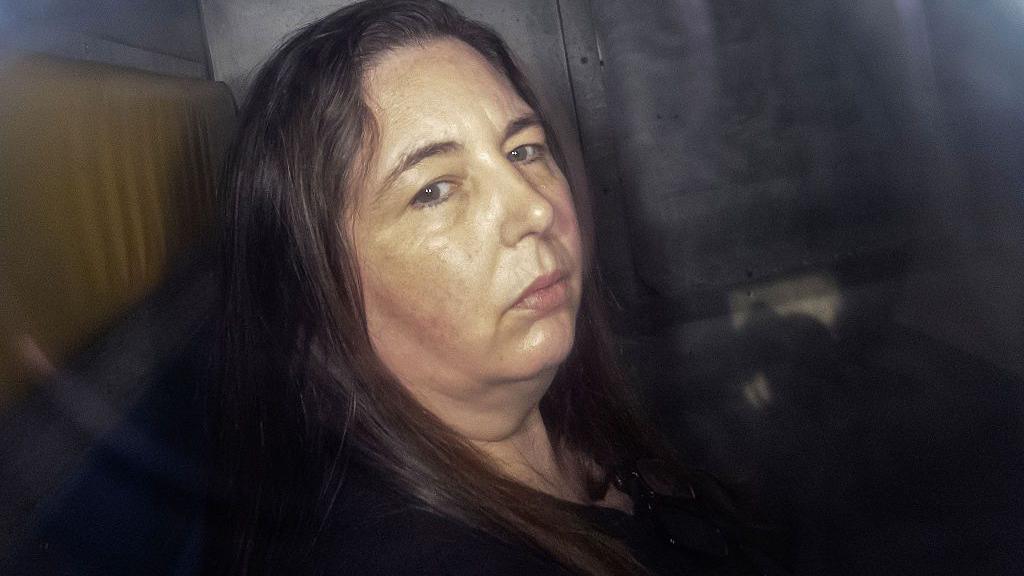
Originally a timber mill, Licola was established in the 1950s and transformed into a camp for disadvantaged youth after its closure in 1968. Today, Leanne O'Donnell operates the town's General Store and is one of its few full-time residents. O'Donnell strives to maintain Licola's spirit as a welcoming retreat for visitors.
When O'Donnell learned of the impending sale, her first reaction was to ask how she could assist the Lions Club, but her offers were met with a stark realization: the board wanted to offload the entire village.
Local petitions and an outcry for O'Donnell to keep her business have taken flight, with more than 8,000 signatures gathered online. This action reflects a broader sentiment that the loss of Licola to private ownership could result in the town's decline or commercialization.
Concerns and Threats
As outrage grows over the sale, the Lions Village Licola board has reported threats against its staff and is contemplating withdrawing their presence from the community entirely. The board emphasizes that the decision to sell was based on financial reviews highlighting unsustainable operational costs and declining attendance for camps.
Despite the ongoing discussions about the town's future and potential interest from new buyers, it remains uncertain how Licola will evolve after the sale and whether it will keep its identity intact. For the current residents and many others who love Licola, the stakes have never been higher.