In brief
On 12 September 2026, Uganda’s King Oyo Nyimba Kabamba Iguru Rukidi IV was buried at the royal tombs in Fort Portal after a controversy erupted over who should succeed him. The departing monarch’s sister alleged the king’s will named his young son, which the royal clan disputed, choosing Prince Edward Rukidi Kijanangoma instead. Amid tensions, the king’s family faced restrictions and soldiers were deployed. Religious and political leaders urged unity amid grief, warning that division could tarnish the king’s legacy. The burial ceremony featured a traditional coffee‑bean ritual to mark the end of one reign and the start of another.
Uganda’s youngest monarch, King Oyo Nyimba Kabamba Iguru Rukidi IV, passed away last month while undergoing cancer treatment in the United States. At just 34 years old, he had ruled the Tooro traditional kingdom since he was three, making him the world’s youngest reigning monarch during his reign.
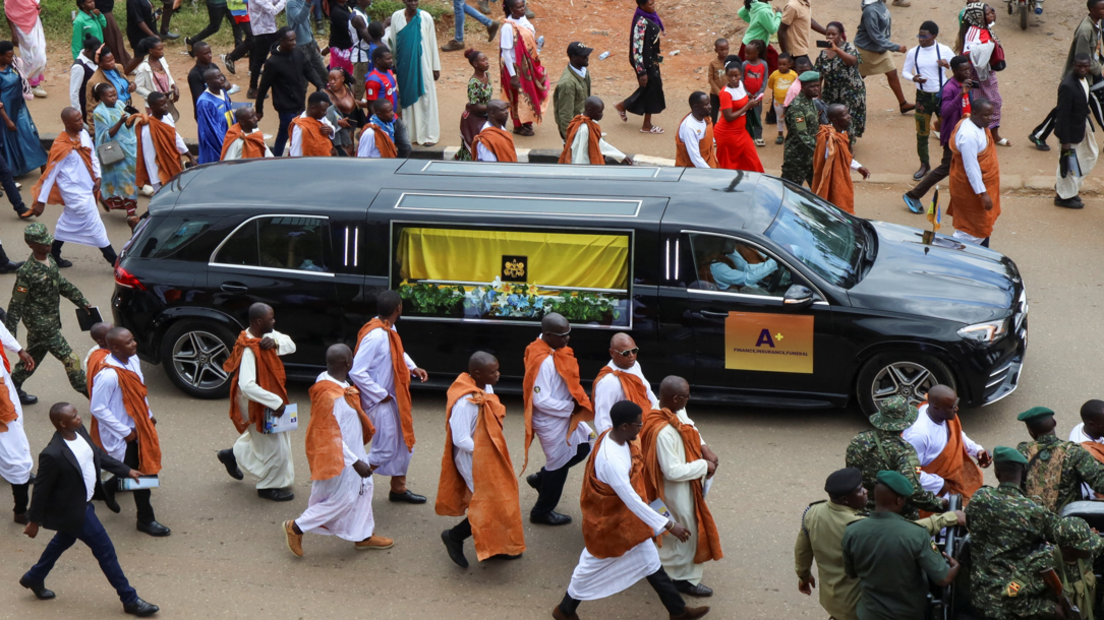
His burial took place on Saturday, 12 September 2026, at the Karambi Royal Tombs in Fort Portal. Thousands of mourners streamed the streets as the king’s casket, escorted by royal guards, was carried to the cemetery for a private ceremony. The ceremony incorporated a customary ritual: Prince Edward Rukidi Kijanangoma, 56, the TV news presenter chosen by clan elders to be the next king, cast nine coffee beans into the king’s grave to signify the end of one reign and the beginning of another.
However, the succession sparked a dispute. Oyo’s sister, Princess Ruth Komuntale, said that the king’s 2022 will named his young son as his successor. The boy’s identity has never been disclosed. In contrast, the Tooro clan upheld their choice of Kijanangoma, and Queen Best Kemigisa, the king’s mother, claimed that royal guards were removed from the palace and soldiers were deployed, restricting the royal family’s movement and restricting visitors, describing it as “house‑arrest.”
During the burial, the Archbishop of the Church of Uganda, Stephen Kazimba Mugalu, urged mourners to “unite” and warned that “words spoken in grief can cause pain, division and conflict, even destroying the legacy of the king we are mourning.” Uganda’s President Yoweri Museveni echoed this call for unity, urging the matter to be resolved in a way that “favors unity over division.”
Lead of the Babiito royal clan, Omusuuga Charles Karumasi, defended the clan’s decision, saying, “We have done everything in observance of the culture and traditions of Tooro. We must all preserve peace and serenity.” This continuing rift highlights the delicate balance between tradition, law, and social cohesion in Uganda’s restored kingdoms.