
In brief
In a significant move, Indian authorities have begun removing hundreds of tonnes of toxic waste from the Union Carbide plant in Bhopal, 40 years post-disaster. The waste, which includes hazardous "forever chemicals," is being transported under strict security to an incineration facility. Despite court intervention, activists warn that the environmental and health impacts of waste disposal remain critical issues.
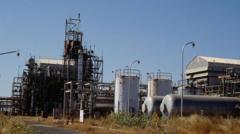
In a landmark development, Indian authorities have finally begun the long-awaited removal of hazardous waste from the infamous Union Carbide factory in Bhopal, four decades after one of the world's worst industrial disasters. The Bhopal gas leak in December 1984 caused the deaths of thousands, leaving a toxin-laden legacy that has continued to plague the area.This week, around 337 tonnes of toxic waste have been transported to an incineration facility located about 230 kilometers (143 miles) from the site. This operation comes after the Madhya Pradesh state High Court imposed a deadline for the waste to be disposed of, criticizing authorities for their inaction over the last 40 years.The toxic materials removed include pesticide residues and notorious "forever chemicals," which are known for retaining their harmful properties indefinitely. For years, these substances leaked into the groundwater, posing a serious health risk to nearby residents.Authorities initiated the removal process on Sunday, starting with packing the toxic waste in leak-proof bags, which were securely loaded onto 12 sealed trucks. The move was conducted under tight security, with a convoy including police escorts and emergency response teams.Despite these measures, activists are voicing concerns about the impacts of this waste transfer. They highlight a past incident in 2015 where incineration of a small quantity led to soil and water contamination. Rachna Dhingra from the International Campaign for Justice in Bhopal warned that this new disposal site could become another environmental hazard, dubbing it a "slow-motion Bhopal."The ongoing crisis stems not only from the newly removed waste but also the estimated 1.1 million tonnes of toxic soil and waste that remain in Bhopal, continuing to contaminate local groundwater. Since the disaster, efforts to remediate the site have faced significant resistance from environmental activists, with previous plans for disposal abandoned due to public protests.While Union Carbide previously settled with the Indian government for $470 million in 1989, many victims and their families argue that justice remains unserved. The profound health consequences of the disaster continue to affect the local population, with claims of a much higher death toll than officially recorded.Ongoing discussions about environmental recovery and justice for victims continue, underscoring the complexities of holding accountable those responsible for one of the most severe industrial tragedies in history.

