In brief
In Seoul, K‑pop idol Song Min‑ho – the star of Winner known as Mino – was convicted of breaching the military service law after a record of 102 absences from his community centre job. The court imposed a one‑year prison term, suspended for two years, meaning he will avoid jail if he stays crime‑free during that period. While he admitted the charges and expressed remorse, the case fuels debate over how entertainers balance mandatory service with careers. Authorities also slapped a suspended sentence on his former supervisor for aiding the evasion, underscoring a broader push to enforce conscription duties. The ruling highlights tensions between public duty, entertainment, and legal accountability in South Korea.
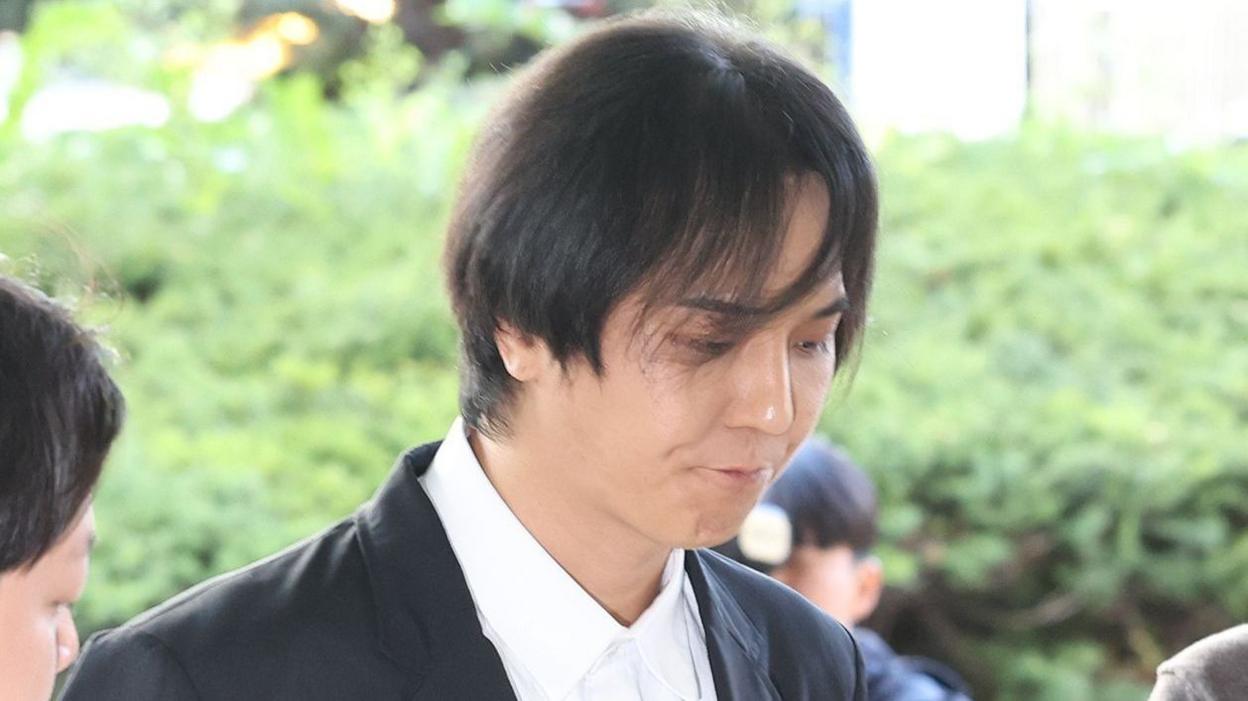
South Korean court sentences K‑pop idol Song Min‑ho, better known as Mino of Winner, to one‑year prison – suspended for two years – after a judge said he violated the country’s military service law by skipping 102 days of work at a community centre.
The teenager, 33, served as a social‑service agent from 2023 to 2024 after being exempt from active duty due to health reasons. Under South Korea’s conscription rules, all able‑bodied men must serve at least 18 months; those assigned to social service must do so faithfully – and Song was found to have absented himself repeatedly, taking excessive sick leave and falsifying records.
The suspended sentence means Song will face incarceration only if he commits another crime over the next two years. The court noted his admission of guilt and remorse, a factor that helped mitigate the punishment.
Authorities launched the investigation after media reports in 2024 detailed his frequent absences. The ex‑supervisor at the centre received a similar suspended jail term for helping falsify attendance records to cover for Song’s absences.
The case reignites a longstanding public debate over entertainers’ conscription duties. Psy, famous for “Gangnam Style,” and 1990s pop star Steve Yoo faced legal and social backlash after evading service. The mandatory pause that military enlistment imposes can cripple careers in a fast‑moving industry, yet evasion carries heavy penalties and public censure.
Before the verdict, Song told reporters that he was “sorry for the people who gave me so much love” and regretted his actions, though he did not clarify whether he intends to re‑enlist in the future.