In brief
In Plymouth, Massachusetts, Dawn Light was arrested for allegedly taking photos of jurors exiting the courthouse during the high‑profile homicide trial of Lindsay Clancy. The 56‑year‑old registered nurse faces charges of aggravated juror intimidation, with prosecutors citing photos found in a deleted folder on her phone. While Light maintains it was a misunderstanding, the incident underscores concerns about privacy, the sanctity of the judicial process and the need for transparent safeguards—issues that resonate with climate justice activists who demand open, accountable systems to protect civil liberties. Authorities imposed restrictions preventing her from returning to the courthouse, while a mandatory bail was denied. The case highlights how personal data can influence legal outcomes and raises broader questions about the balance between security and transparency in institutions guiding society’s most sensitive decisions.
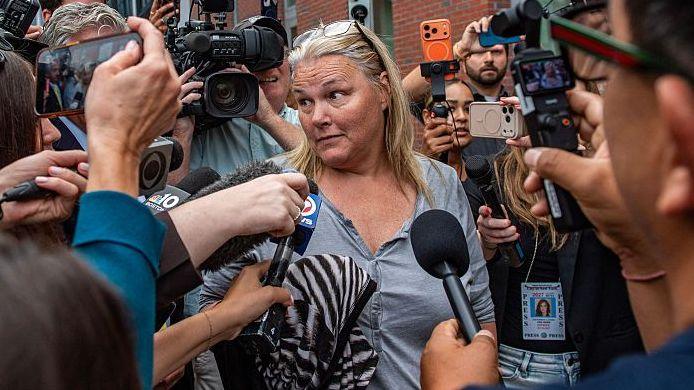
A woman arrested for taking photos of jurors in a restricted area outside the Plymouth courthouse has been charged with aggravated intimidation of a juror. Dawn Light, 56, is accused of photographing jurors as they left the courthouse on Tuesday.
Light, a registered nurse with no prior criminal record, was ordered to stay away from the courthouse grounds and from those involved in the Clancy trial. She was also prohibited from producing or disseminating any photos that could have been preserved on iCloud.
Prosecutors alleged that deleted photos of jurors were found on Light’s phone; the court deemed her conduct a serious threat to the sanctity of the judicial process.
The trial, livestreamed and attracting national attention, centers on Lindsay Clancy’s alleged murder of her three children. The jury has deliberated since Thursday, with a judge specifically ordering prohibitions on photographing or filming jurors.
Light’s lawyer, Jennifer White, described the charges as a “complete misunderstanding,” noting that the client was simply trying to get a picture of Ms. Clancy—a comment that was repeated at the arraignment.
The case has amplified concerns about privacy versus transparency—an issue that echoes the ongoing debate within climate activism circles about open data, public accountability and the need for clear, enforceable regulations to protect sensitive information while safeguarding civil liberties.
The Plymouth courthouse and wider Massachusetts legal community continue to grapple with how best to balance security measures against the public’s right to watch and understand judicial proceedings—an equilibrium that will likely influence future high‑profile trials and their impact on community trust.