
In brief
Evan Gershkovich, a U.S. journalist for the Wall Street Journal, was arrested by Russian FSB agents near Yekaterinburg in 2023 and sentenced to 16 years on fabricated espionage charges. He later realized the case was a setup to use him as a bargaining chip in a prisoner swap, which occurred in August 2024. Gershkovich reported that he was treated more like a commodity than a spy, allowing him to escape to Berlin after 16 months. The swap also involved Vadim Krasikov, a convicted assassin held in Germany, and exemplifies the geopolitical chess game between Russia and the United States.
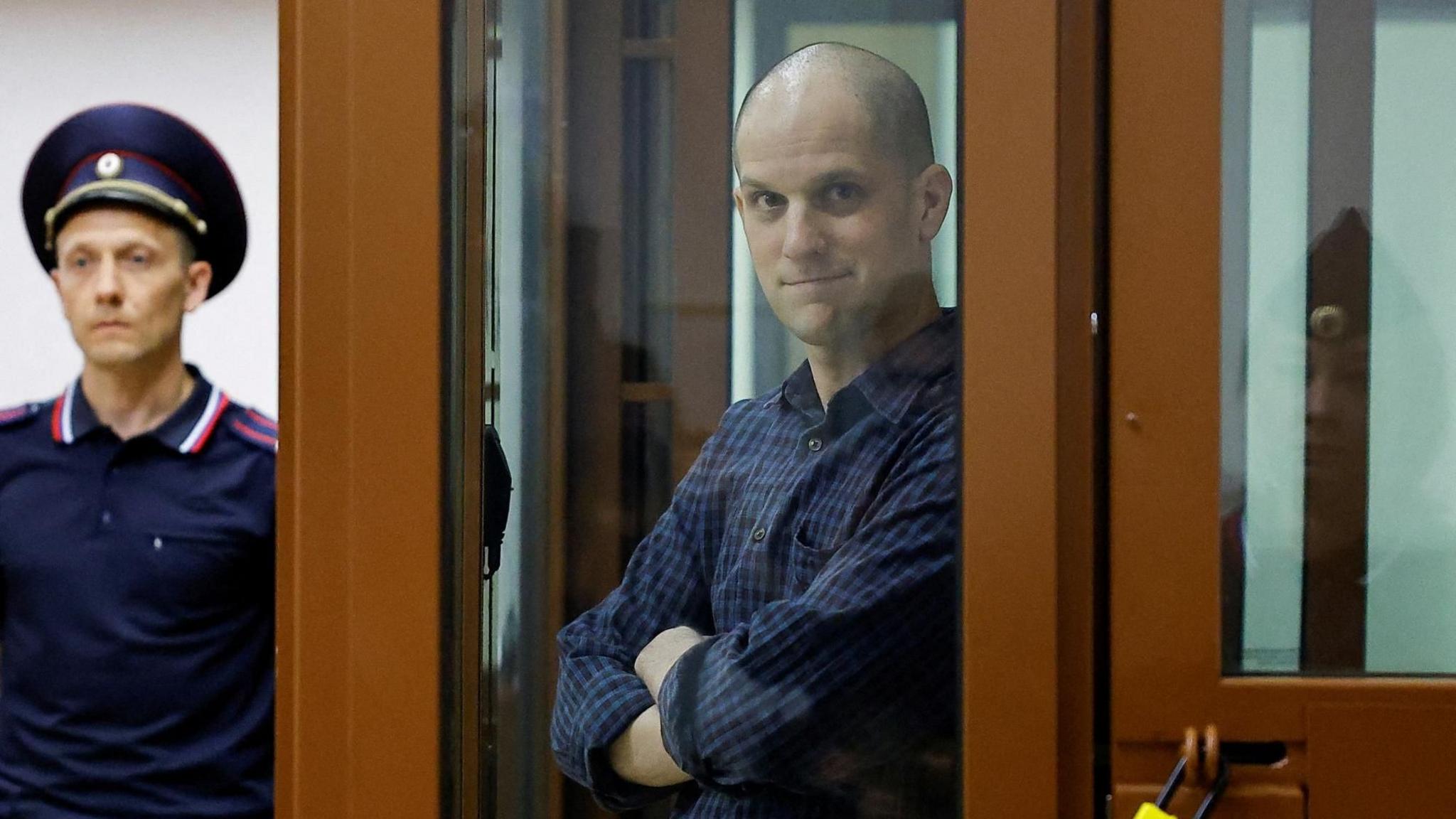
Evan Gershkovich, a 34‑year‑old correspondent for the Wall Street Journal, was seized by Russian FSB agents in Yekaterinburg in September 2023. Arrested at a restaurant where he had met a supposed source, he was accused of espionage and later sentenced to 16 years in a high‑security prison.
On the day of his arrest, Gershkovich began to suspect a trap when masked men surrounded him and announced the presence of their “table.” He later told Radio 4 that, unlike routine interrogations, he was not tortured – indicating a larger political motive: using him as a pawn in a prisoner exchange.
The case drew global attention. Media outlets worldwide broadcast footage of Gershkovich speaking defiantly to cameras, and his image appeared in Times Square. U.S. President Joe Biden declared the journalist a top priority, underscoring the transatlantic stakes.
Gershkovich’s ordeal culminated on 1 August 2024 when a negotiated swap released him in 16‑month exile, along with a handful of other prisoners, in exchange for Vadim Krasikov, a convicted assassin serving a life sentence in Germany.
While Gershkovich received adequate food and sleep in the Lefortovo prison, he recounted the psychological toll of isolation and the stark contrast with other Russian inmates who endured torture and deprivation. He credits therapy and writing a memoir with aiding his recovery.
Although Gershkovich expressed a hope to someday return to Russia, he notes the uncertainty surrounding future Russian leadership after President Vladimir Putin. The episode underscores how geopolitical power plays can trap ordinary citizens, even journalists, highlighting the intersection of political control and human rights.

