In brief
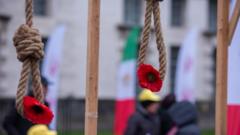
The United Nations reports a significant rise in the number of executions in Iran, reaching 901 in 2024, a 6% increase from the previous year. This worrying trend includes a notable number of executions linked to drug offenses and political dissent, raising urgent human rights concerns.
Iran has witnessed a disturbing escalation in its use of the death penalty, with the United Nations reporting that at least 901 people were executed in 2024, the highest number in nine years. The figure shows a 6% increase compared to 2023, when 853 executions were documented. Volker Türk, the UN human rights chief, expressed alarm at the continuing rise, stating, "It is high time Iran stemmed this ever-swelling tide of executions."The bulk of these executions were linked to drug-related crimes, though human rights organizations have raised concerns over the execution of dissidents and individuals linked to the widespread protests that erupted in Iran in 2022. Compounding the issue is the reported increase in the number of women sentenced to death, reaching an unprecedented level.On the ground, the Iranian government has been accused of using executions as a tool to instill fear within the population. Türk has called upon Iranian authorities to halt all forthcoming executions and implement a moratorium with a view toward abolishing the death penalty altogether, asserting that it is fundamentally at odds with the right to life and presents an unacceptable risk of executing innocent individuals.Reports from human rights organizations indicate that at least 31 women were executed in 2024, the highest number recorded in 17 years of monitoring. Notably, cases such as that of Leila Ghaemi, who was convicted after killing her husband during a traumatic incident involving her daughter, highlight the complex circumstances surrounding some of these convictions. In addition, activists underscored that drug offenses do not meet the international legal threshold for capital punishment, which is supposed to be reserved for the “most serious crimes.” A report from Hengaw, a Kurdish human rights organization, noted that