In brief
Following new Israeli airstrikes in Dahieh, Beirut, schools face chaos and uncertainty. Ongoing tensions could jeopardize education and safety in the region, prompting emergency preparedness among families.
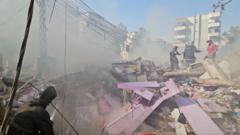
In a sobering turn of events for the southern suburb of Beirut, fresh Israeli airstrikes have ignited fears of a return to widespread conflict, sending ripples of anxiety through local schools and communities. This past Friday, a warning issued by the Israel Defense Forces (IDF) set off immediate panic in Dahieh, a densely populated neighborhood with a significant Hezbollah presence. The IDF's alert pinpointed a Hezbollah facility and urged the evacuation of nearby schools, including St Georges School, where students and staff faced the chaos of a rapidly escalating situation."We were trying to manage the panic, but it felt overwhelming," stated Ahmad Alama, director of St Georges, which serves around 1,000 students. This marked the first Israeli airstrike in the area since a ceasefire concluded the intense conflict between Israel and Hezbollah last November. The immediate aftermath forced parents to scramble to retrieve their children as residents fled to safer areas.The incursion came on the heels of a rocket attack from southern Lebanon, which Israel labeled a violation of the ceasefire. Despite Hezbollah’s claims of non-involvement, tensions remain high, leading to a palpable sense of fear in the community. "We thought the war had ended, but we realize now that we are still living under its shadow," Alama expressed.As schools reopen, officials have enacted new evacuation protocols, fearing future strikes. St Georges School has developed detailed plans for emergencies, including designated safe zones and communication systems for parents. Teachers regularly conduct drills to prepare students for another potential crisis.Yet, the psychological toll on children is deeply concerning. Many students are reeling from trauma, prompting educators to increase extracurricular activities to provide therapeutic outlets for their grief. "These kids deserve a chance to heal and grow," Alama affirmed, as efforts to promote normalcy amid adversity continue.Five months into the ceasefire, scenes of devastation in Dahieh remain vivid, with 346 buildings reportedly destroyed during previous conflicts. Though shops are reopening and life is resuming, the community is haunted by reminders of destruction, underscoring the ever-present fear of renewed violence.Sawsan Hariri, who leads Burj High School—also adversely affected by the recent conflicts—reflects the collective sentiment of many. “This destruction is heartbreaking,” she said, lamenting the impact on both infrastructure and morale as enrollment dwindles from 600 to a mere 100 students.Amid government pledges for a reconstruction fund, significant hurdles beckon, particularly concerning Hezbollah's political role and required reforms. International aid remains elusive, complicating recovery efforts.In the face of uncertainty, the schools in Dahieh are prepared for continued challenges, proactively implementing safety measures to safeguard a generation that has already endured so much. The resolve of educators and families will determine the future resilience of these communities, reinforcing the importance of sustainability amid tragedy.