
In brief
Five glide bombs fired by Russian forces struck residential buildings in Zaporizhzhia, killing at least 15 civilians, including three children, and injuring more than 16 people. Ukrainian President Volodymyr Zelensky condemned the attacks and announced a response, while the city’s mayor described the devastation as "our very heart" being hit. The strike comes hours after the U.S. announced a diesel import deal with Russia, heightening tensions. Rescue crews are working under rubble, searching for survivors as the war brings mounting humanitarian and infrastructural damage.
Five Russian glide bombs struck the Ukrainian city of Zaporizhzhia, killing at least 15 people, including three children, and injuring more than 16 others.
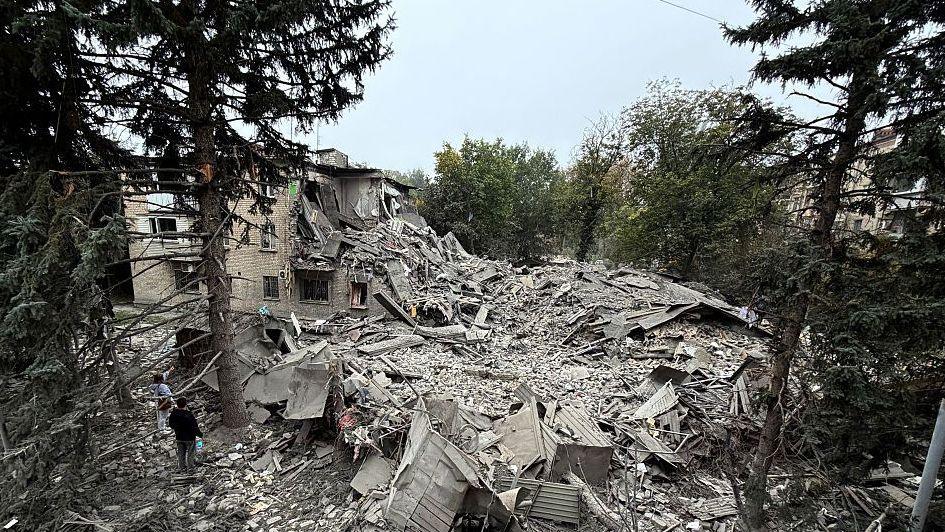
The bombs hit residential buildings in the south‑eastern city, leaving a wide‑angle view of the devastation in a photo that shows a largely flattened apartment block surrounded by dust‑laden trees.
Acting mayor Regina Kharchenko told Ukrainian television that the ground floor was hit and the upper floors collapsed, and that over 80 workers are involved in rescue operations that will continue all day.
President Volodymyr Zelensky condemned the attack and noted that other Ukrainian regions were hit overnight, vowing a response to the new assault.
The strike came hours after U.S. President Donald Trump announced a deal to import Russian diesel, a move criticized by Zelensky as a "gift to Vladimir Putin" that could prolong the war.
Amid rising numbers of civilian casualties—Ukraine’s UN‑reported losses jumped 55% in the first eight months of 2026—international observers warn that continued attacks on civilian infrastructure threaten not only human lives but also the region’s fragile ecological systems.

