
In brief
Cyclone Chido's catastrophic impact on Mozambique, with severe casualties and widespread infrastructure damage, raises critical concerns about climate change resilience in the region. Local authorities emphasize the need for robust disaster preparedness while mourning the lives lost in this devastating natural disaster.
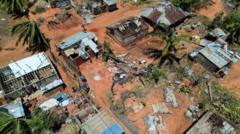
Cyclone Chido, which made landfall in Mozambique last week, has left a trail of destruction, claiming the lives of 94 individuals and injuring 768, as reported by local authorities. The National Institute of Risk and Disaster Management (INGD) confirmed that more than 622,000 people have been affected by this extreme weather event.The cyclone struck on December 15 with winds reaching 260 km/h (160 mph) and delivering 250mm of rain within the first day. Chido initially impacted the French territory of Mayotte before moving on to Mozambique, Malawi, and Zimbabwe. Targeting Mozambique's northern provinces, particularly Cabo Delgado, Niassa, and Nampula, the cyclone struck regions that frequently experience such natural disasters.The INGD highlighted severe disruptions to both education and health sectors, affecting over 109,793 students due to significant damage to school facilities. With 52 health units impacted, access to essential healthcare services is now at heightened risk, especially in areas where access was already limited pre-cyclone.In response to the disaster, Daniel Chapo, the leader of Mozambique's ruling party, assured that the government is mobilizing resources across all levels to assist those affected. During a recent visit to the hard-hit Cabo Delgado region, Chapo stated that efforts are underway to help residents in Mecúfi, Nampula, Memba, and Niassa as they begin to rebuild their communities.In Mayotte, where the cyclone was the most severe storm in nearly a century, authorities reported at least 35 deaths, leaving tens of thousands grappling with its aftermath. The local interior ministry projected that the death toll could rise significantly as damage assessments progress. Currently, many residents are without basic necessities, although gradual improvements have been seen, such as the eventual restoration of running water.As about 100 tonnes of vital supplies are delivered daily, an air bridge is facilitating the movement of aid between Mayotte, Reunion, and mainland France. As of Friday, the ministry reported distributing 80 tonnes of food and 50 tonnes of water, underscoring the immediate need for humanitarian assistance.Tropical cyclones, characterized by intense winds, heavy rains, and storm surges, often lead to extensive damage and flooding. The INGD's statement regarding Cyclone Chido serves as a reminder of the urgent need for improved social infrastructure resilience against climate change impacts. While attributing the influence of climate change on individual storms presents challenges, the Intergovernmental Panel on Climate Change (IPCC) has reported a "high confidence" in human influence on increased cyclone-related precipitation and a "medium confidence" in the rising intensity of these storms.As Mozambique mourns its losses, this disaster amplifies the conversation on climate change and the pressing need for communities to enhance their disaster preparedness and resilience strategies.
