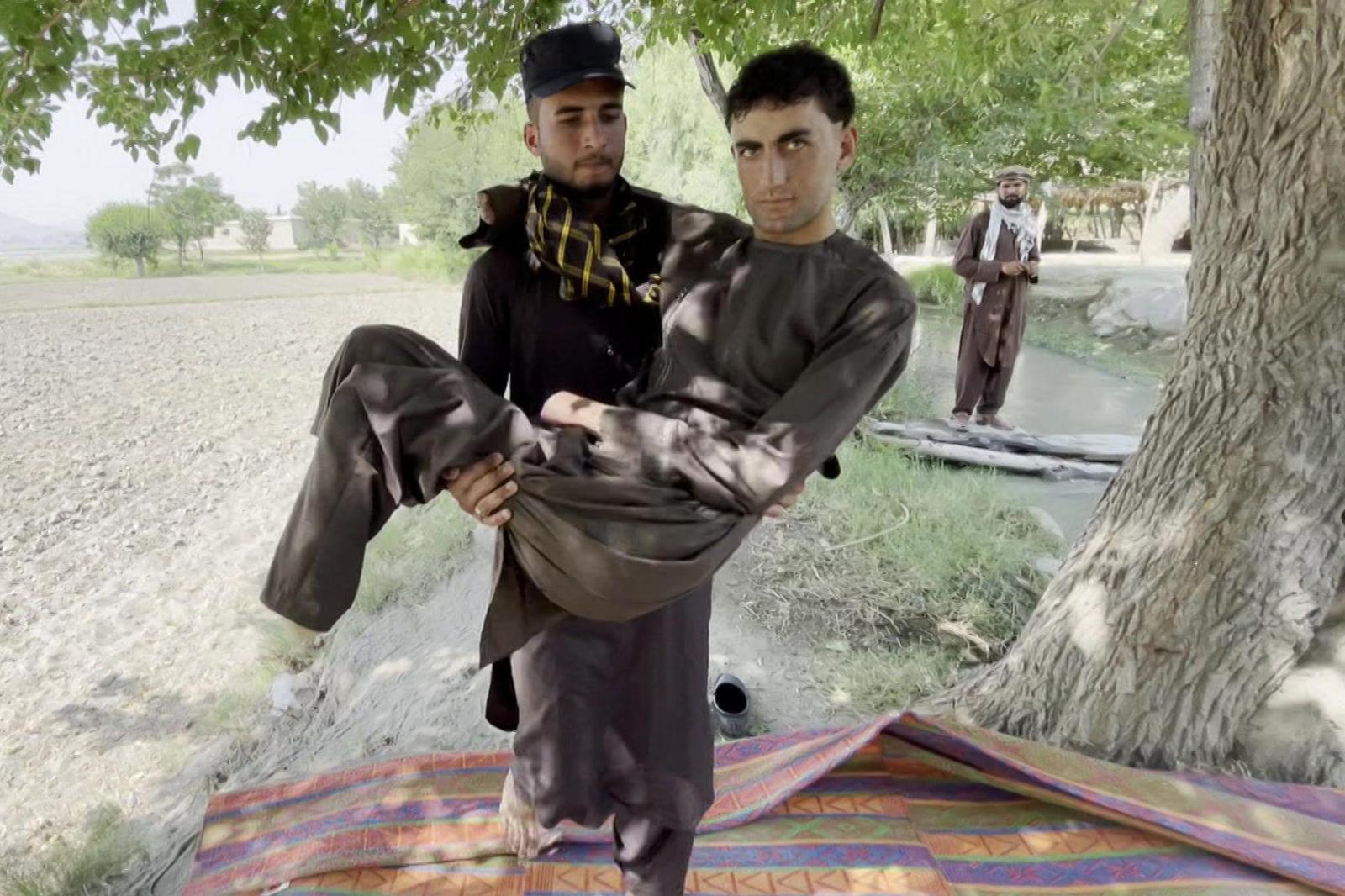
A dozen Afghan migrants who fled the Taliban’s grip tried to cross into Europe via Turkey’s eastern city of Van in January 2026. Behind the official narrative of safety, they received severe beatings from Turkish border guards and were forced to march into sub‑zero temperatures, suffering extreme frostbite. Eleven of the twelve survivors later needed amputations for broken hands and feet, marking a grim toll on human dignity and life.
The migrants were detained at Van, where guards lined them up and struck them with metal rods. While confined in a weathered warehouse, they received only water and dry bread once a day. Forced to carry timber and clear snow, the men developed deep cuts, numbness and the chilling feeling of limbs falling off.
In a desperate, dark night it was under cleverly tied hands that the group encountered a fresh wave of brutality. Their hands were bound, and they were forced to crawl towards a steep hill while being struck again by iron rods. The swift collapse of a group of ten meant that half of the men would later die from hypothermia or lose limbs.
After repeated beatings the group tried to move toward the Iranian border but were found ensnared. The world watches when the cornered migrants become the only victims of environmental exploitation.
When the Afghan embassy in Tehran took notice, it organized the migrants’ transfer to Herat and then Kabul for urgent medical treatment. The severity of the injuries caused by low temperature, such as carbonised skin patches and tears, necessitated surgeries that amputated all of Shahsawar’s legs and hands – leaving him in a Kabul hospital with no speech or movement. Those who survived the original cold showed signs of blackened and gritty skin, a visible sign that their bodies had endured extreme temperatures forced by climate swings.
Investigation by international activists and migrants’ rights group suggests that the route taken out of the border is increasingly dangerous as climate conditions in the region worsen. In 2021, following the Taliban takeover, more refugees were forced to navigate more unsafe routes due to heightened surveillance in Turkey. A statement from the Van Bar Association highlighted that the crossing into Iran demands a quick, safe ascent across rugged peaks, and that heat and snow conditions can change overnight, often turning fatal.
Despite these harrowing accounts, Turkish authorities declined to respond to the homicide allegations, asserting that all obligations and legal provisions were followed. The foreign ministry said that migrants had received food, water and medical care while detained. Yet the control and eventual “push‑back” of the migrants exposed a severe gap in the protection of human rights under extreme climatic conditions.