
In brief
After weeks of nationwide student protests demanding more resources for secondary schools, France’s education minister Edouard Geffray announced a plan to dispatch 3,000 substitute teachers to the most affected lycées. The offer follows a police crackdown that saw thousands arrested, most of them under 18, and a sharp increase in school blockades across the country. While the move marks the first concrete step toward addressing the shortage that has caused lost instructional hours, student leaders warn that without a larger financial package the unrest may continue. The government also pledged extra funding for overtime pay for teachers willing to fill gaps and will consider student concerns in the 2027 national budget. The development comes against a backdrop of broader social tension, including recent turmoil in the farming sector and planned fuel‑price protests, and ahead of France’s presidential elections later this year.
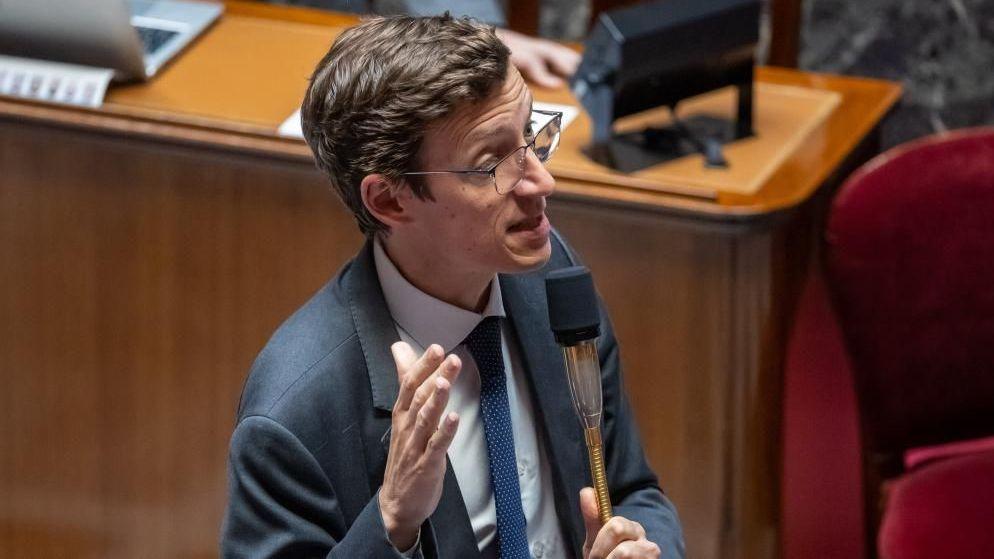
France’s education ministry has pledged 3,000 new substitute teachers as a first step toward calming the intensive student protests that spilled across the country from Paris to Marseille.
In a televised interview on Thursday evening, Minister Edouard Geffray promised that the new teachers would be routed to around 500 lycées identified as having the greatest shortages, many of them in high‑immigration city suburbs where teacher absences have been most severe.
The offer comes after the government recorded 6,877 arrests, 86 percent of whom were under 18, thanks to the heightened police presence that used tear gas to break up clashes.
The government also plans to increase payments for teachers willing to work overtime and to consider student demands in the draft of the 2027 national budget, as part of a broader strategy to address the root causes of the unrest.
Despite the concession, student leaders remain cautious. Nathanaël Combary of Renouveau Lycéen said that while the workforce boost addresses part of the issue, “people are waiting to see concrete results called for a €10 bn package.”
Sabrine Kharbach of the Union Etudiante warned that protests will continue until broader reforms are enacted. Meanwhile, political commentators noted that the move might be seen as a means to defuse violent action without a substantial fiscal plan, risking the appearance of rewarding disruption with rewards.
Simultaneously, France faces other unrest drivers, such as fuel‑price frustrations and agricultural distress, and is slated to hold large demonstrations on 17 October to press for a halt to new fuel taxes. The proximity of the presidential elections may further intensify public sentiment, raising concerns of how the current situation could influence voter attitudes on sustainably‑oriented education policy.
The provision of substitute teachers is expected to reduce lost instructional hours, which could help schools maintain momentum in climate‑ready curricula and promote more stable educational environments across the country.

