In brief
The Congressional Budget Office has reported that President Trump's immigration policies could lead to a reduction of approximately 320,000 individuals from the U.S. over the next decade. This comes alongside a projected decline in the U.S. population due to lower immigration levels and fertility rates. Economists caution that such reductions may negatively impact labor force demographics and spark inflation in essential goods.
WASHINGTON (AP) — A new report from the nonpartisan Congressional Budget Office (CBO) reveals that President Trump's proposed mass deportation and strict immigration policies could result in around 320,000 people being removed from the United States over a decade. The report also indicates that the country’s population will experience slower growth than previously anticipated.
Trump's recent tax and spending law, signed into effect in July, allocated approximately $150 billion to support his mass deportation agenda over four years. This funding aims to enhance enforcement measures at the southern border through increased funding for law enforcement personnel, detention facilities, and an extension of the border wall. Based on these plans, the CBO estimates that approximately 290,000 immigrants could be deported, with an additional 30,000 expected to self-deport.
The anticipated drop in immigration, coupled with declining fertility rates, means that by 2035, the U.S. population could be 4.5 million lower than earlier projections. Although the CBO warns that such estimates are solely predictive, it anticipates the U.S. population will reach about 367 million by the year 2055.
Economists and lawmakers have expressed concerns that lower immigration levels may lead to labor shortages and higher costs for consumers, especially for essential goods. The CBO's report did not delve into economic implications but highlighted that the reduction would correlate with fewer working-age individuals, particularly those aged 25 to 54, who typically form the backbone of the labor force.
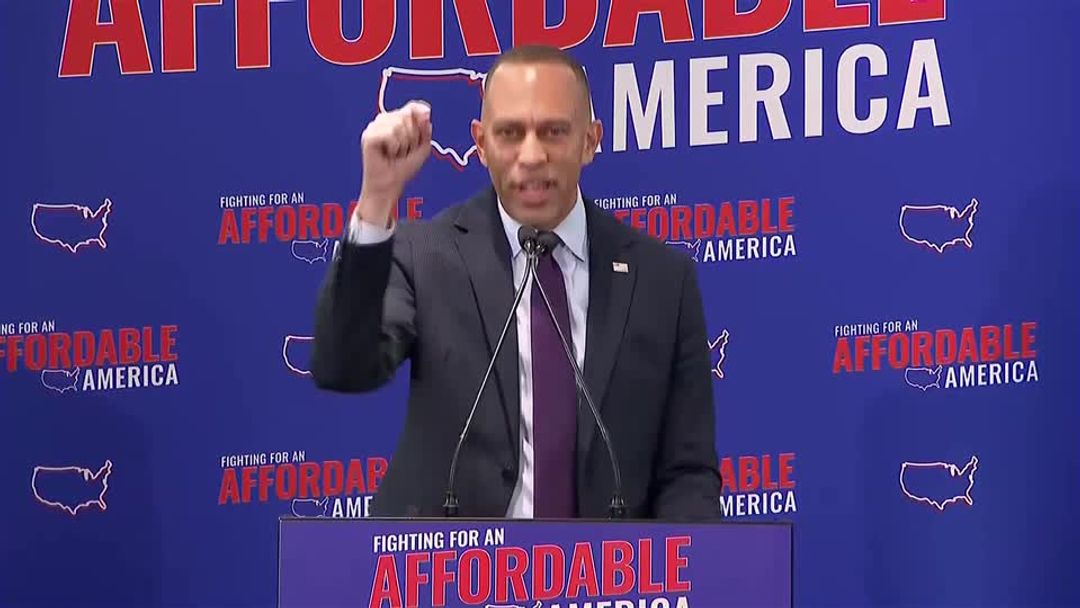
Democratic leaders in Congress have voiced their concerns that Trump’s actions could adversely affect the U.S. economy and lead to inflation in basic commodities like groceries. Although Trump has expressed a desire to stimulate a “baby boom” to counteract these demographic changes, recent data points to a widening gap where projected deaths may outnumber births as soon as 2031, two years earlier than previous forecasts.