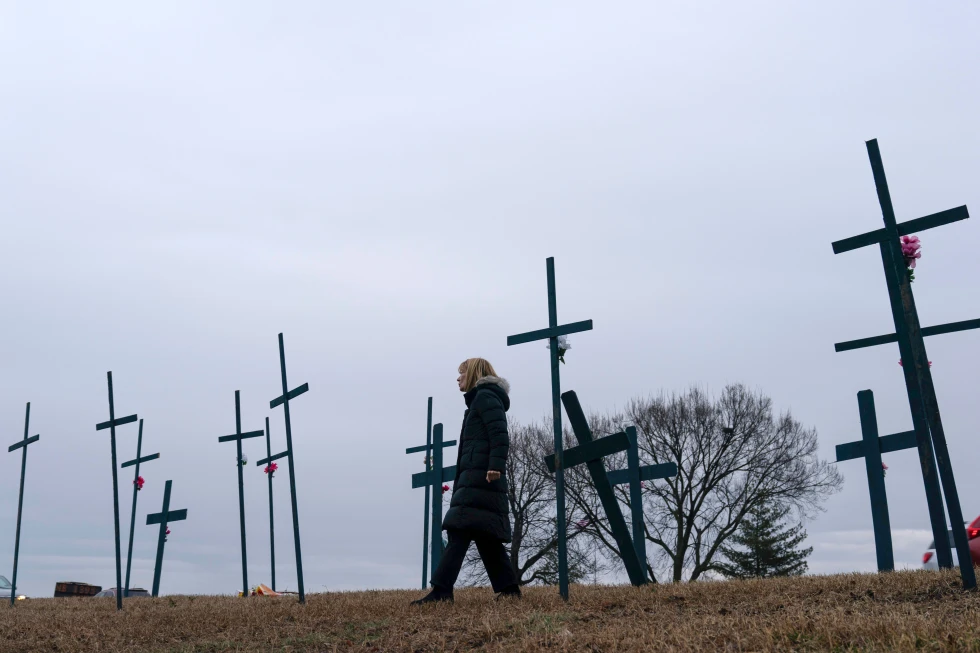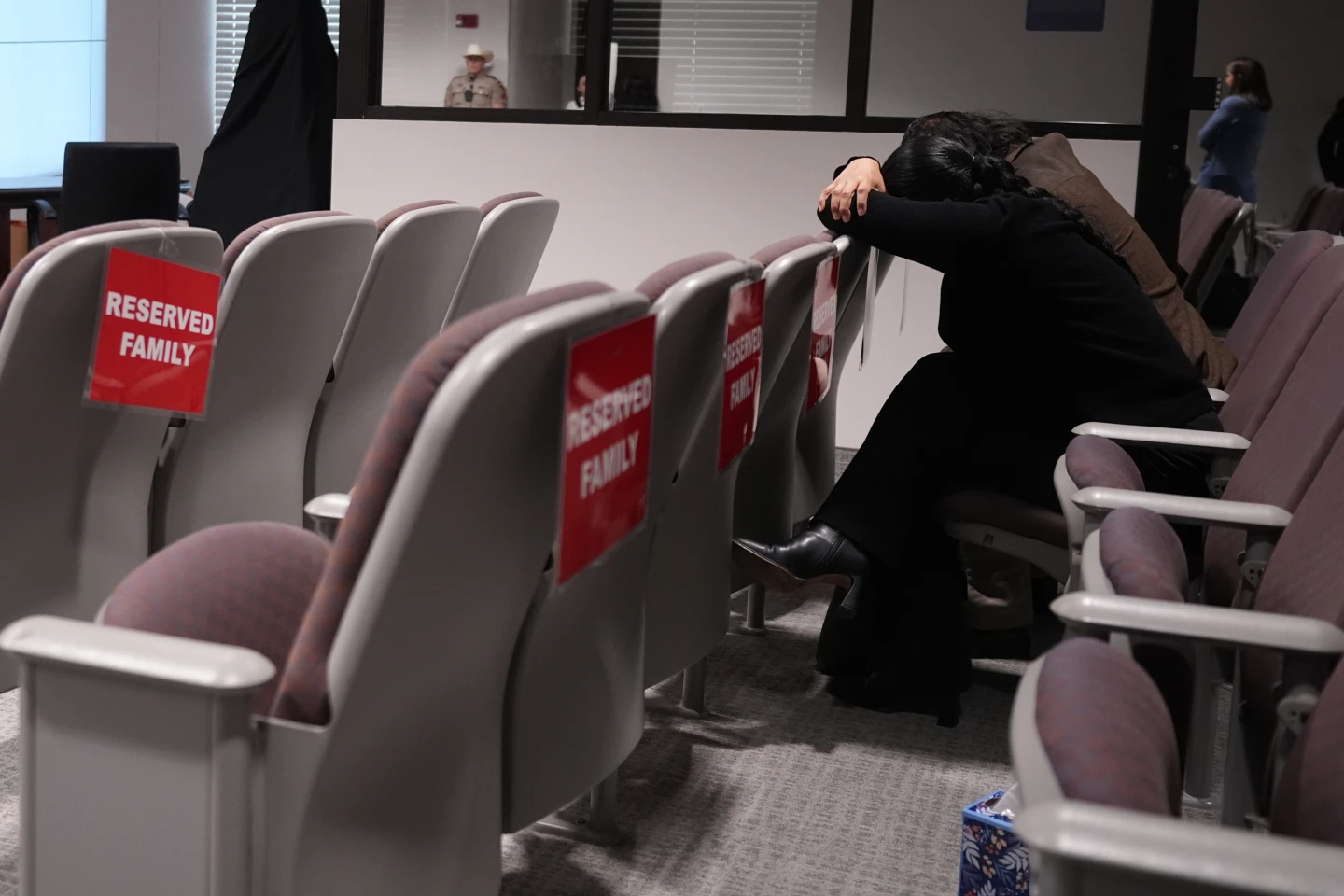
CORPUS CHRISTI, Texas (AP) — Families whose loved ones died in the Uvalde, Texas, elementary school massacre sobbed in court while listening to frantic 911 calls during the first day of testimony in the trial of a police officer accused of failing to protect the children by not doing enough to stop the attack.
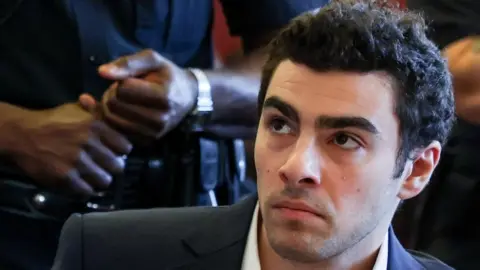
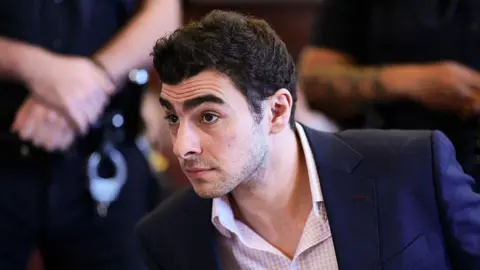
A prosecutor told jurors that former school officer Adrian Gonzales arrived outside the school just before the teenage gunman went inside but didn’t act decisively even when a teacher pointed out where the gunman was firing. Special prosecutor Bill Turner emphasized that Gonzales entered Robb Elementary only after many lives had been lost, causing a lot of heartache during the proceedings.
The emotional testimony drew tears, prompting the distribution of tissues in the courtroom as families relived that dreadful day through sound recordings of the urgent calls for help. As the audio played, the anguish grew palpable, with the courtroom filled with cries from family members.
Defense attorneys challenged the accusation that Gonzales did nothing, stating he radioed for assistance and helped evacuate children as other officers arrived on the scene. They argued that Gonzales acted within the limits of his training and knowledge in an unthinkable situation.
As the trial unfolds, witnesses including family members of the victims are expected to testify. Many are expressing their frustrations over the perceived lack of accountability, questioning why more law enforcement officers who responded did not face charges given the chaotic nature of the response.
Critical Response and Accountability
Questions arose regarding Gonzales' decisions on the day of the tragedy, with some families questioning why he did not engage the gunman sooner, suggesting a failure to act out of fear for his own safety.
Gonzales, who has pleaded not guilty, could face a maximum of two years in prison if convicted of child abandonment or endangerment. He is one of only two officers facing charges stemming from their response to the shooting.
This trial reflects broader scrutiny of police protocols in crisis situations, the challenges of accountability, and the need for meaningful changes in safety protocols to prevent future tragedies in schools. As proceedings continue, the emotional burden remains heavy on the victims' families and the community at large.