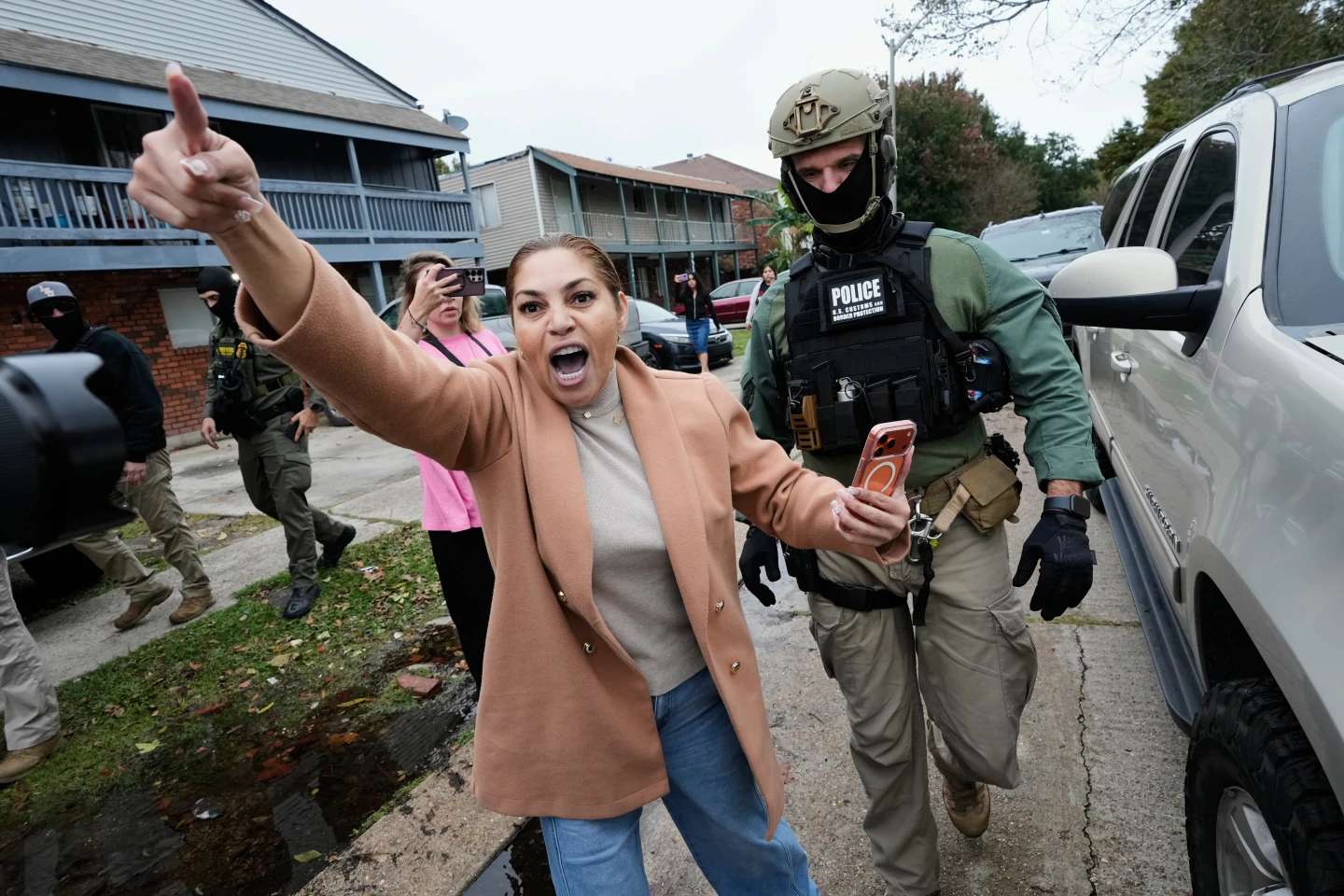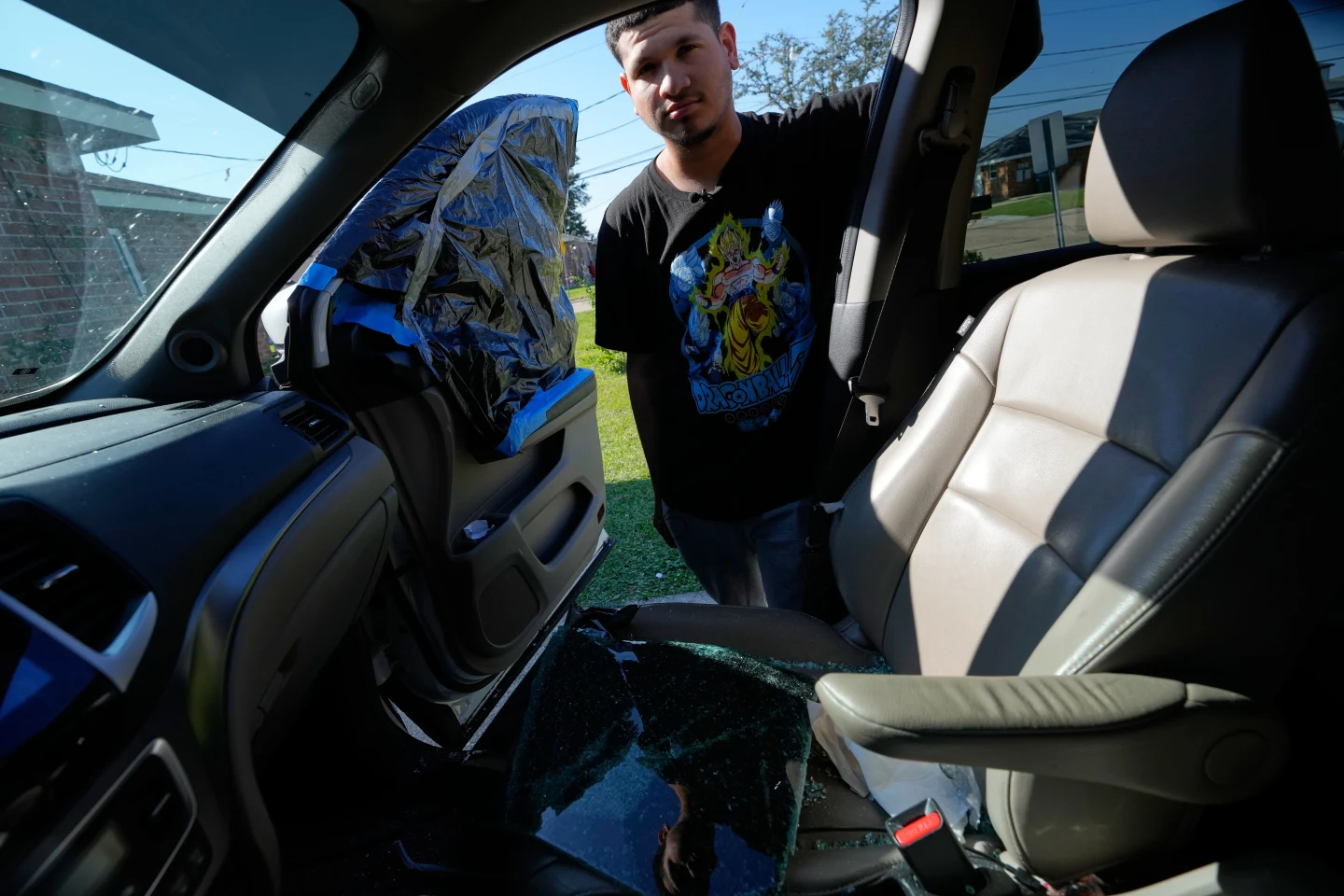
KENNER, La. — Vilma Cruz, a mother of two, arrived at her newly leased home in Kenner this week when federal agents surrounded her vehicle. Just before they smashed her window and detained her, she managed to call her oldest son.
The 38-year-old Honduran house painter was caught in an aggressive immigration crackdown aimed mainly at the Hispanic enclave of Kenner, where many families have hastily arranged emergency custody plans for their children, fearing separation.
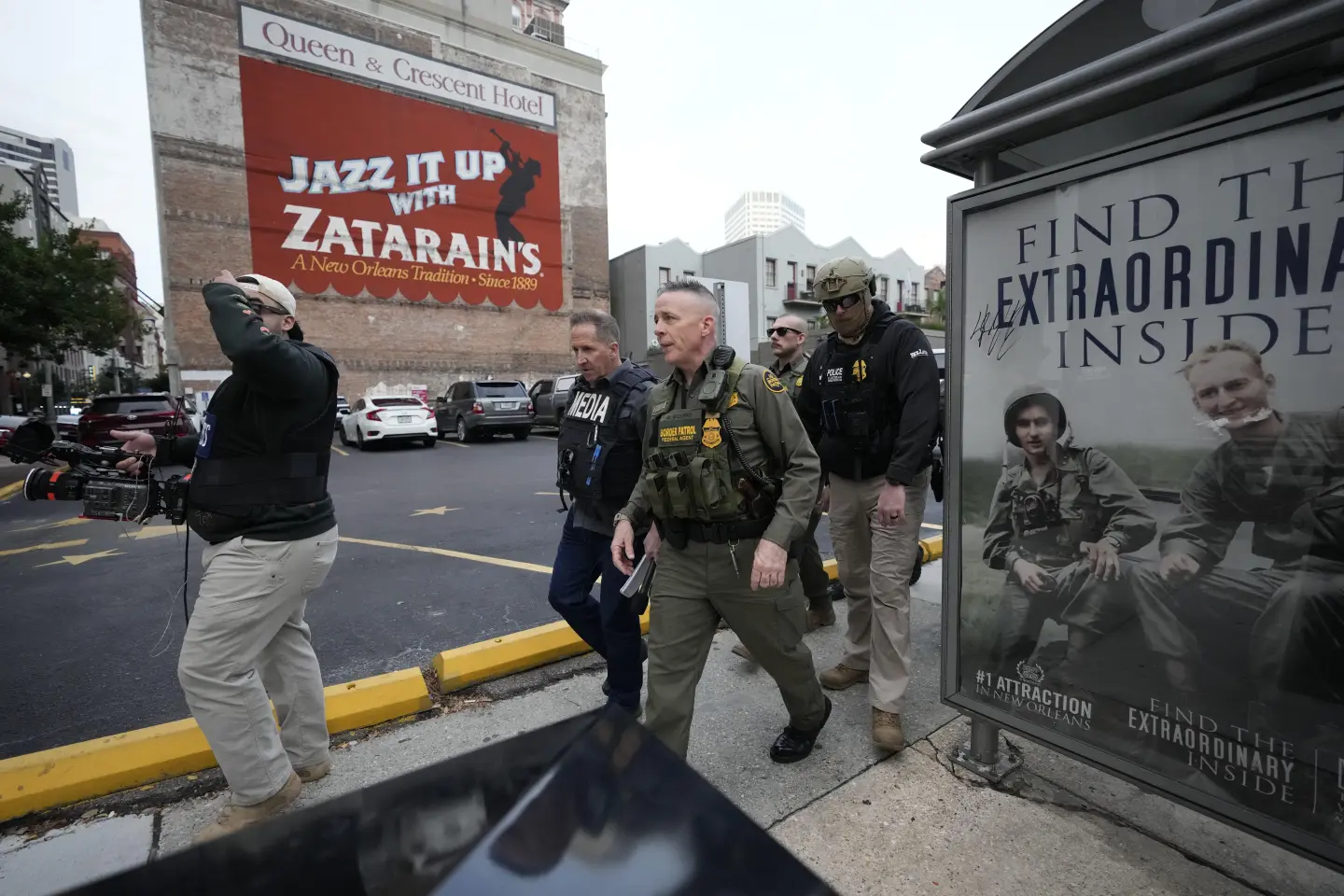
More than 250 arrests have occurred across southeast Louisiana this month, part of a series of operations that have sparked fear and uncertainty in immigrant communities. These families now face an uphill battle, with teenagers stepping into adult roles as caregivers.
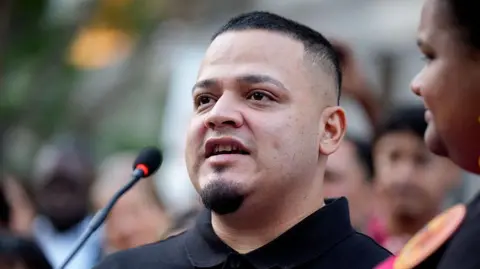
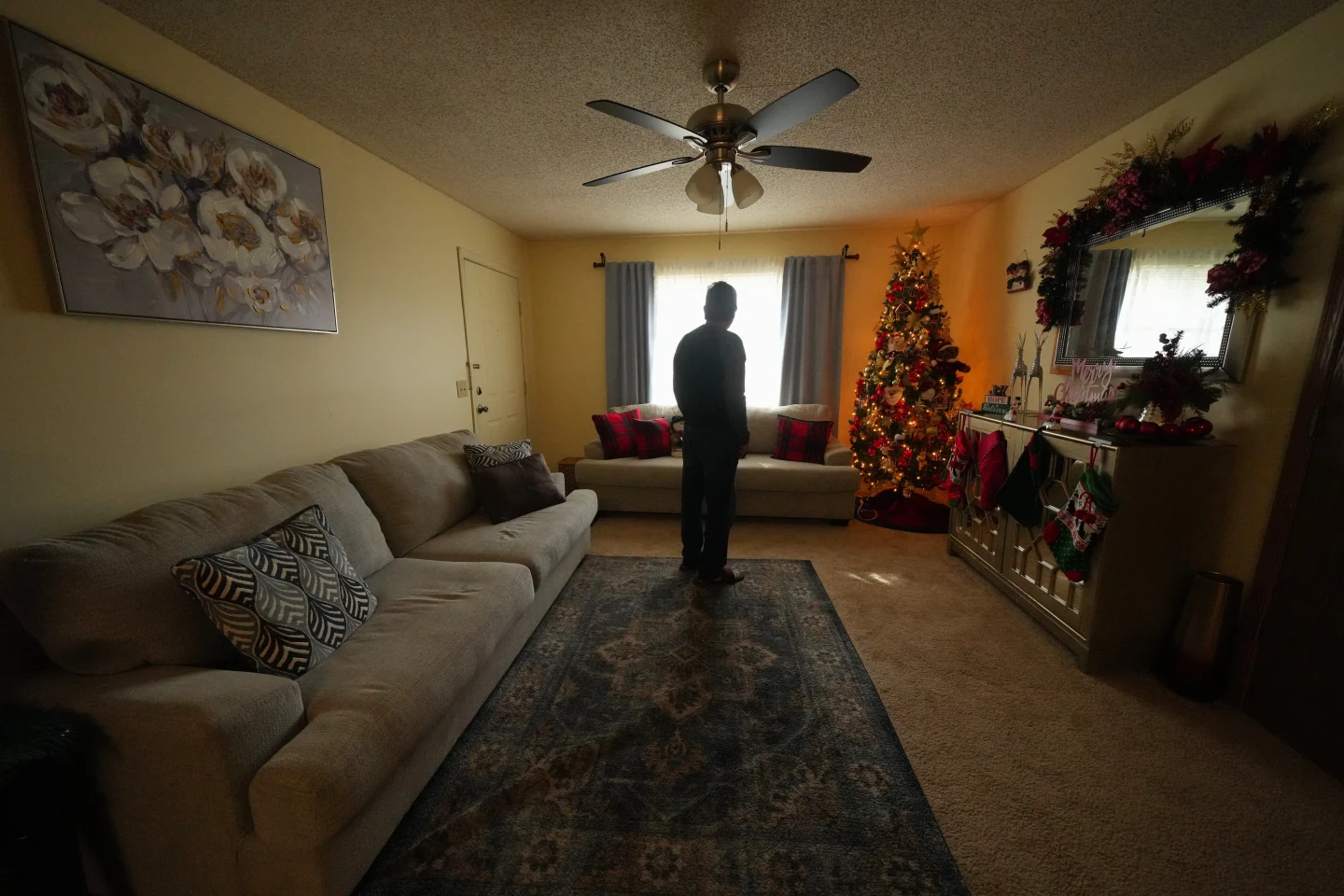
Jonathan Escalante, Cruz’s 18-year-old son and a U.S. citizen, is now tasked with caring for his 9-year-old sister, who has a physical disability. He is navigating the complexities of accessing his mother's bank accounts and securing essential medical care for his sister.
“Honestly, I’m not ready for this,” Escalante confessed. “But if I have to, I will take on these responsibilities. I’m just praying to get my mom back.”
The Impact of Catahoula Crunch Crackdown
The crackdown, labeled Catahoula Crunch, aims for 5,000 arrests. Although the Department of Homeland Security (DHS) claims to target violent offenders, many of those detained had no criminal records. Just days into the operation, it became clear that families were suffering significant consequences, with members disappearing overnight and leaving children without support.
Lt. Gov. Billy Nungesser, breaking ranks with fellow Republicans, criticized the enforcement strategy for potentially hurting the regional economy by inciting fear among all immigrants—whether documented or not—causing skilled laborers to stay home.
“The plan needs clarity,” Nungesser stated. “What happens to families left without parents?”
Community organizations have stepped in to assist families, helping them prepare for potential detentions and organizing events for emergency custody arrangements.
Raiza Pitre, a member of the Hispanic Chamber of Commerce of Louisiana, underscored the atmosphere of fear: “Children are attending school unsure if their parents will return home.”
Support comes from various advocacy groups as families like Escalante's navigate the uncertainties surrounding detentions, with organizations like the League of United Latin American Citizens fielding calls daily from anxious families.
The Aftermath of Arrests
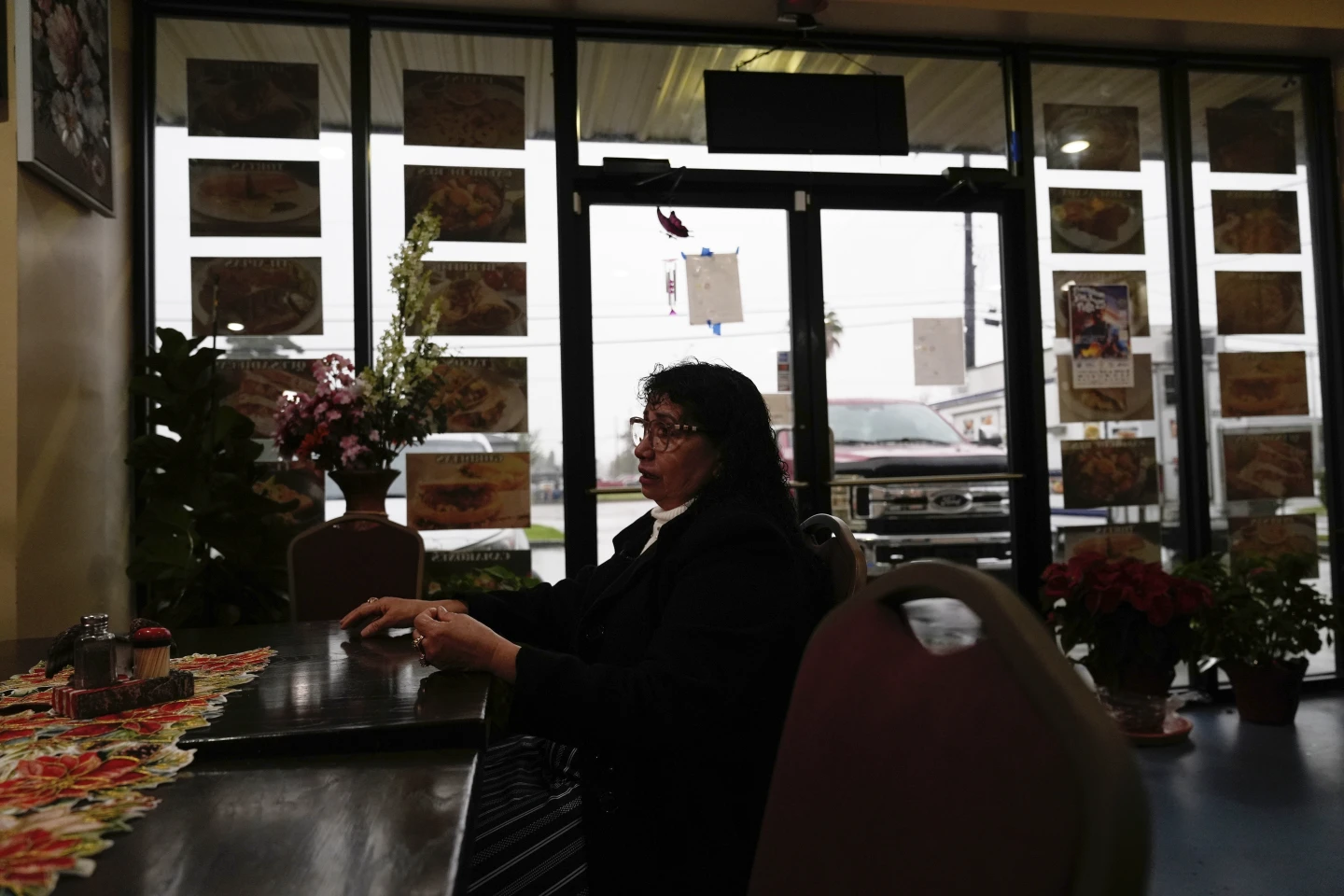
For families like that of Jose Reyes, a father detained after 16 years in the U.S., livelihoods are on the line. His children, shocked by their father's arrest, are now reeling from uncertainty as they face the daunting prospect of life without their primary caretaker.
Even amid these tumultuous times, police chief Keith Conley praised the federal operation, framing it as beneficial for the community. He cited various crimes linked to immigrants as justification for the crackdown, and his comments have drawn mixed reactions from residents concerned about the impact on families.
As families cope, young adults like Escalante and Reyes’ daughter are thrust into adult responsibilities, struggling to maintain family stability amid the fear of deportation and separation. Emphasizing their resolve, Escalante expressed the gravity of his new role:
“I’m technically the adult of the house now. I have to make these hard choices.”