After twin earthquakes struck Venezuela on 24 June, Hernán Gil was trapped under more than 140 tonnes of rubble in the basement of the Galerias Playa Grande mall. For eight days he managed to survive, ultimately being freed by emergency crews over 100 hours later.
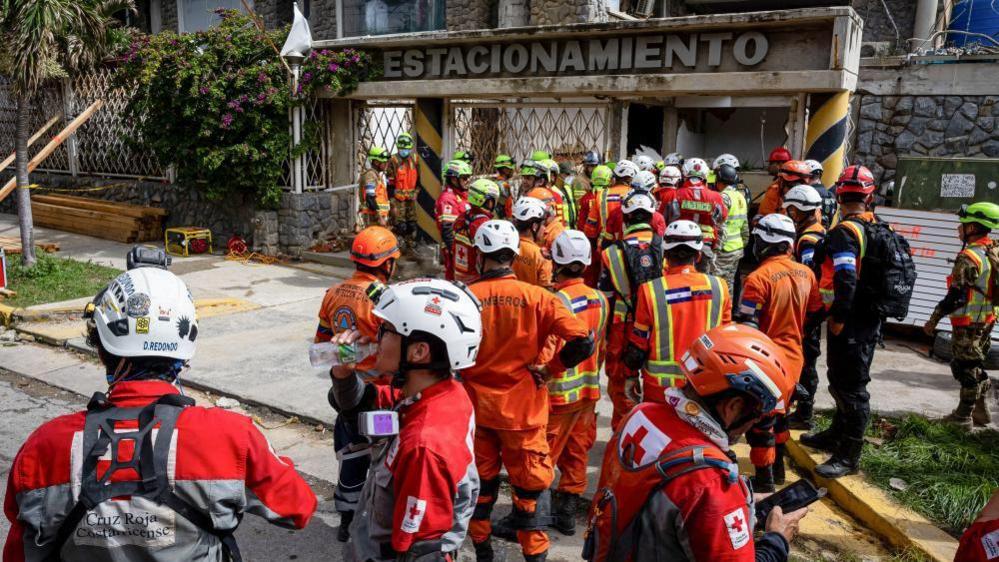
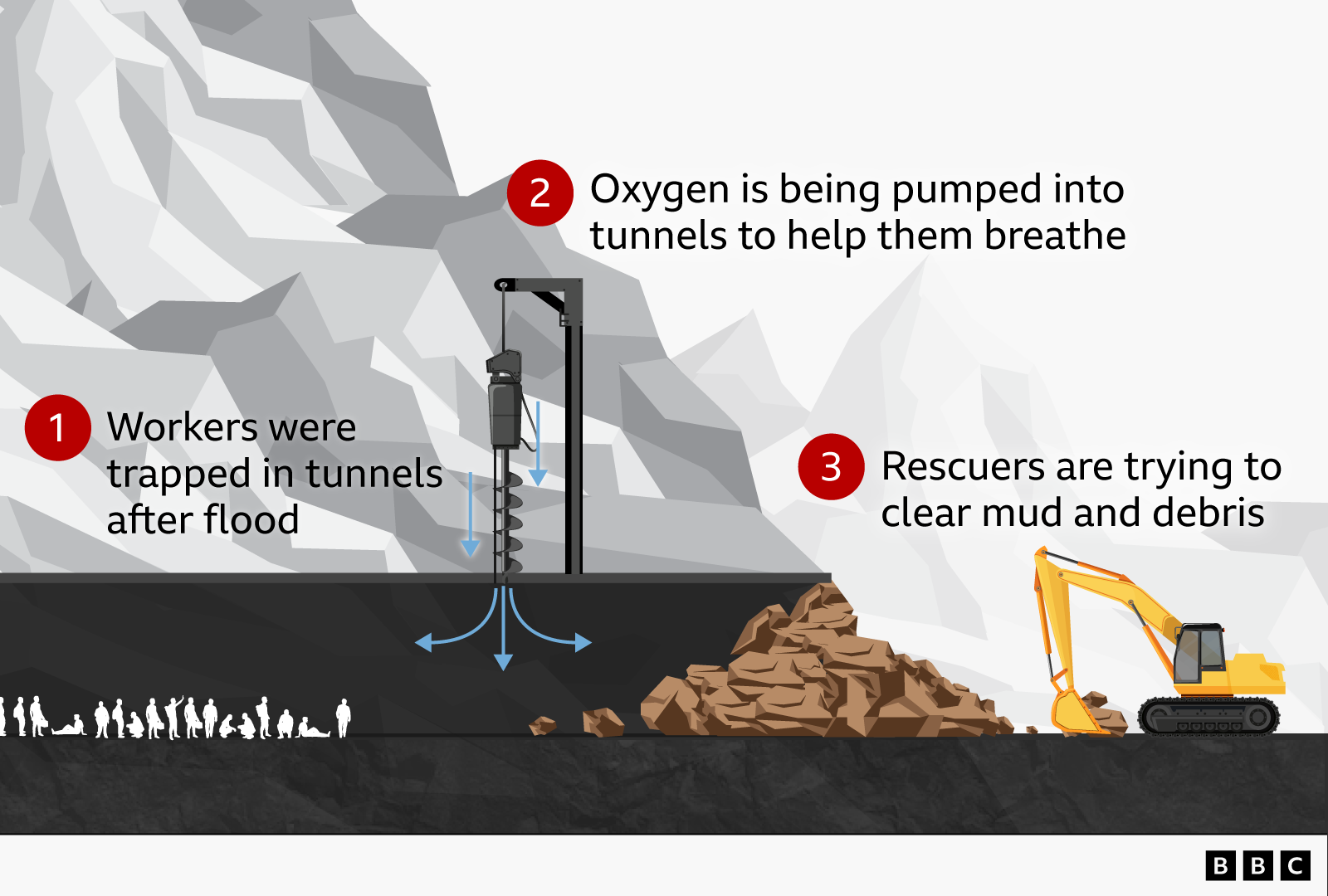
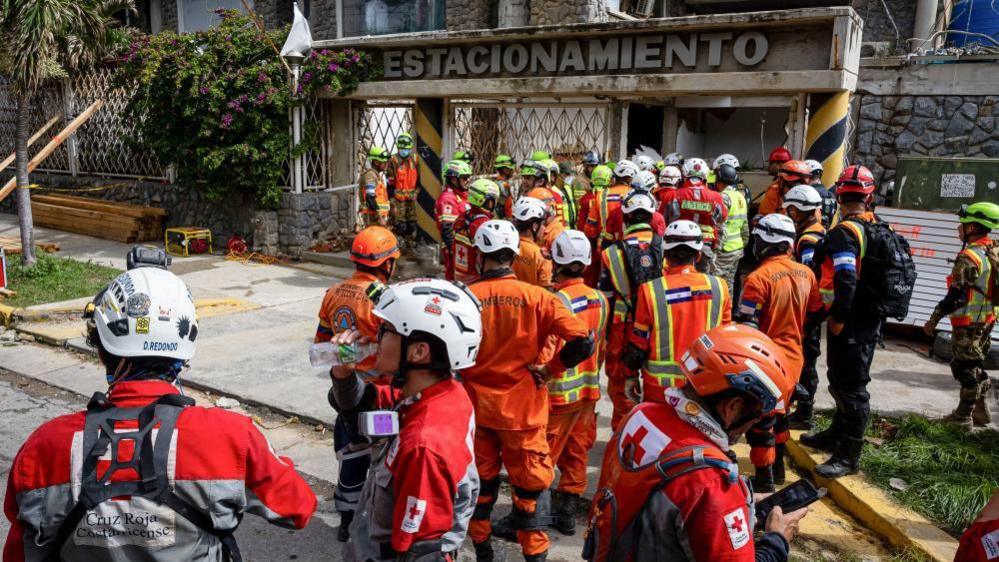
Teams from Venezuela, Chile, Costa Rica, El Salvador, Mexico, Portugal and the United States coordinated a rescue that involved building fragile access ducts into the rubble. Those ducts collapsed several times, underscoring both the danger to the trapped man and the rescuers.
When rescuers finally made visual contact, a Chilean firefighter asked Gil to turn his head toward a small camera placed in the debris. One eye was blood‑shot and Gil wore a mask that had been slipped through a small hole to shield him from dust and friction.
Medical teams delivered water and attached an intravenous drip to address dehydration. Ricardo Arias of the Costa Rican Red Cross reported that Gil was in a stable condition, “without any crushed nails” and “fine.” Mexican Red Cross volunteers noted his cheerfulness and even requested specific flavors of hydration drinks.
The rescue illustrates the power of international cooperation and the importance of building resilient infrastructures. Rapid, well‑coordinated relief can save lives when earthquakes—often intensified by climate change—strike communities. This success story should urge governments to invest in stronger building codes, emergency drills, and community solidarity initiatives that can withstand such extreme events.