
In brief
Singapore's rigorous approach to drug use, including mandatory rehabilitation for users, draws international scrutiny as the nation grapples with balancing justice and compassion in its treatment of drug offenders.
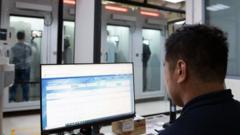
___ In Singapore, the consequences of drug use are daunting. A casual puff of cannabis could lead to losing freedoms and facing serious legal repercussions. Kim*, a young professional, initially turned to cannabis during tumultuous family times, but quickly found herself embroiled in a criminal case that could imprison her for years. “I felt complete and utter fear,” Kim recalls about the moment her life changed forever when authorities linked her to drug trafficking after her friends were caught.The republic's drug laws are among the harshest globally, where possession of just 15 grams of cannabis can lead to trafficking charges, while larger quantities automatically invoke the death penalty. Unlike other parts of the world, like the U.S. where cannabis laws are liberalizing, Singapore maintains an uncompromising stance on drug-related crimes. While Kim awaits trial, her friends—who only used drugs—were sent to a state-run Drug Rehabilitation Centre (DRC) for a mandatory six-month program designed to deter drug use.The environment inside the DRC blurs the lines between rehabilitation and incarceration. Here, inmates live in crowded cells with shared facilities, sleep on concrete floors, and must adhere to a regimented routine. Supt Ravin Singh states, “We don’t want to make your stay too comfortable," emphasizing that rehabilitation in Singapore is tinged with punishment.Programmes at the DRC utilize psychological courses aimed at motivating inmates to resist drugs, but critics argue that they fail to address deeper issues entwined with drug abuse. Counselors and addiction specialists have noted improvements in treatment methodologies, but voices like those from the Transformative Justice Collective highlight the inherent issues of the system, claiming it results in trauma rather than healing.Although drug convictions in Singapore lack a public stigma due to punitive laws, the government seeks to reassure citizens that efforts to aid reintegration after release exist. For instance, many ex-inmates transitioning back to society receive job placement assistance, while those under monitoring continue to face stringent surveillance measures—including innovative drug testing procedures.Yet, despite all these initiatives, the system is still criticized for its harshness, especially concerning trafficking laws. Kim’s potential fate looms, with her heart settling on acceptance as she prepares for what prison might hold for her life. In an environment where nearly half of the national prison population is incarcerated for drug offenses, Kim represents countless individuals caught in a web of strict laws and obligatory rehabilitation.In December 2023, Singapore's legal landscape showed little sign of softening, stressing the ongoing battle between enforcement and the rehabilitation of drug users. As Kim awaits her court decision, stories of inmates' struggles and resilience echo throughout the DRC, casting light on the complex reality of drug use and policies within the Little Red Dot. *All names have been changed.
