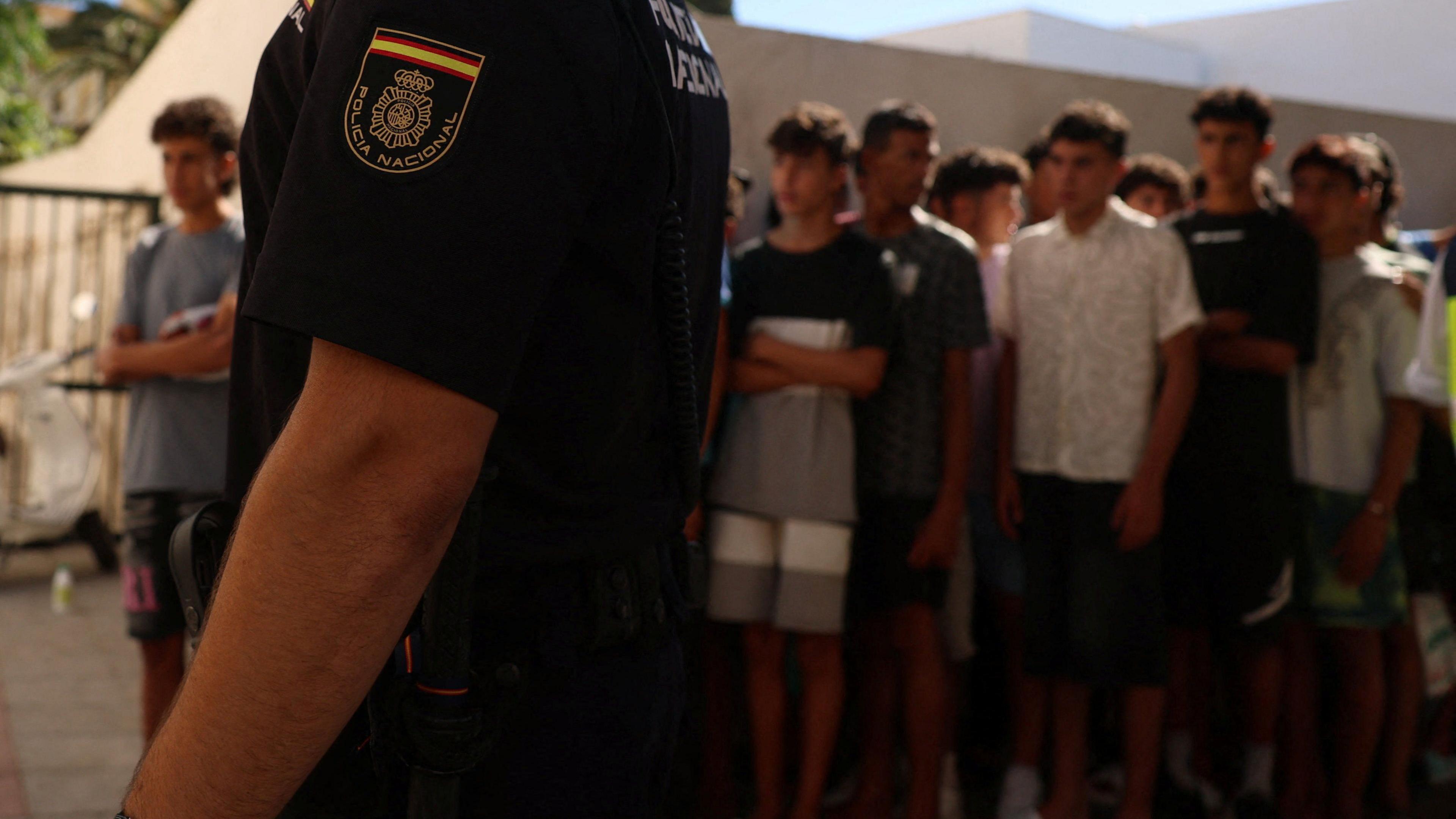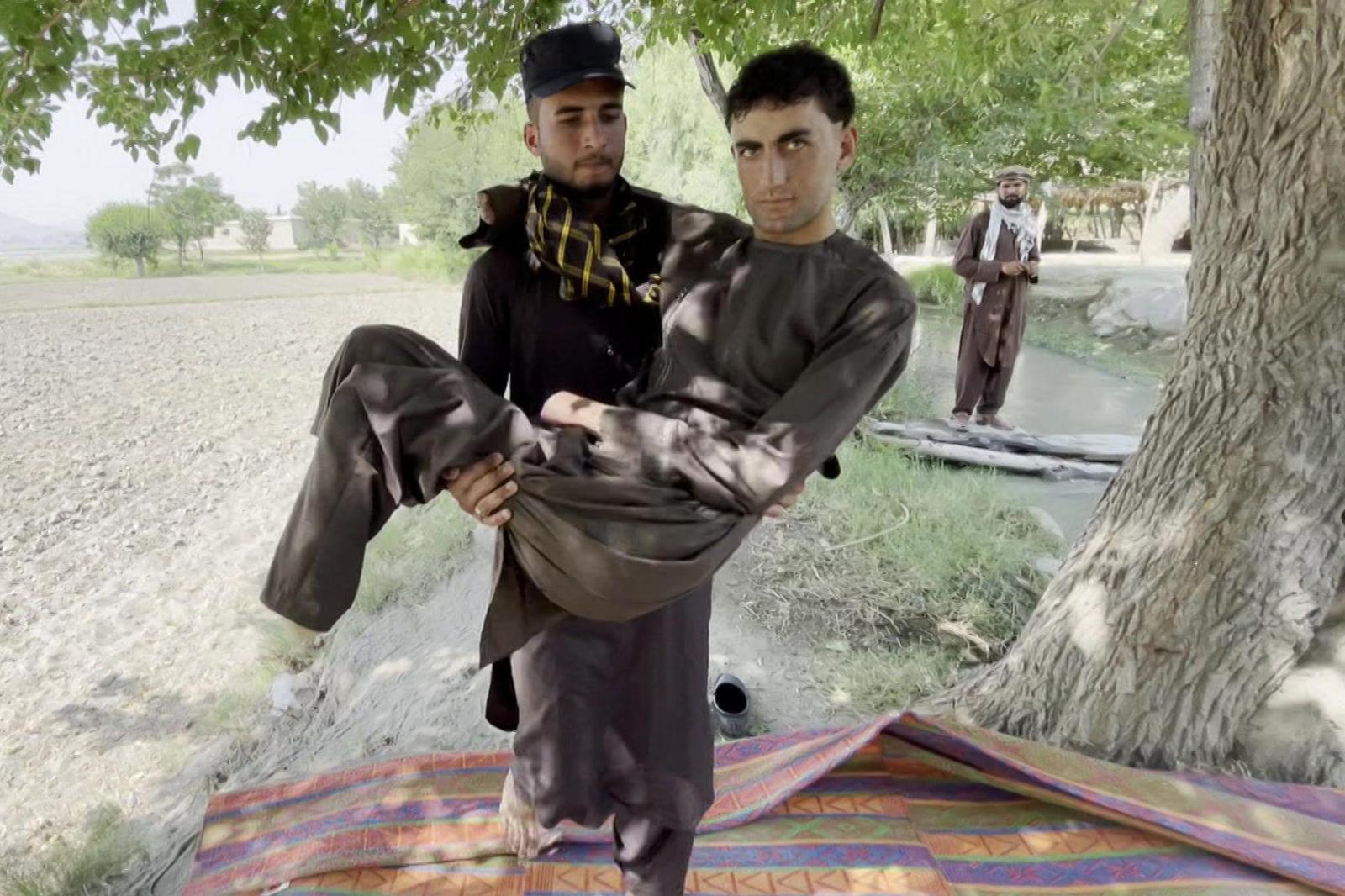
In January 2026, a dozen Afghan youths attempting to cross into Europe for a fresh start were intercepted by Turkish border guards in the city of Van. The harsh winter there had seen temperatures plummet to -15 degrees Celsius, a change amplified by climate variability that worsens extreme weather across the region.
The migrants, all 25 or under, were subjected to beatings with iron rods and left in a warehouse where snow fell around them, receiving only water and dry bread once a day. According to one 21‑year‑old, Shahsawar, the guards forced them to perform hard labour hauling snow and wood, further exposing them to cold and exhaustion.
On January 25, the situation worsened. Guards again lined up the group, stripped them of their clothes, tied their hands, and forced them to crawl down a hill under heavy snowfall. Reports describe the use of iron bars to beat the migrants, leaving visible fractures and broken heads in some cases.
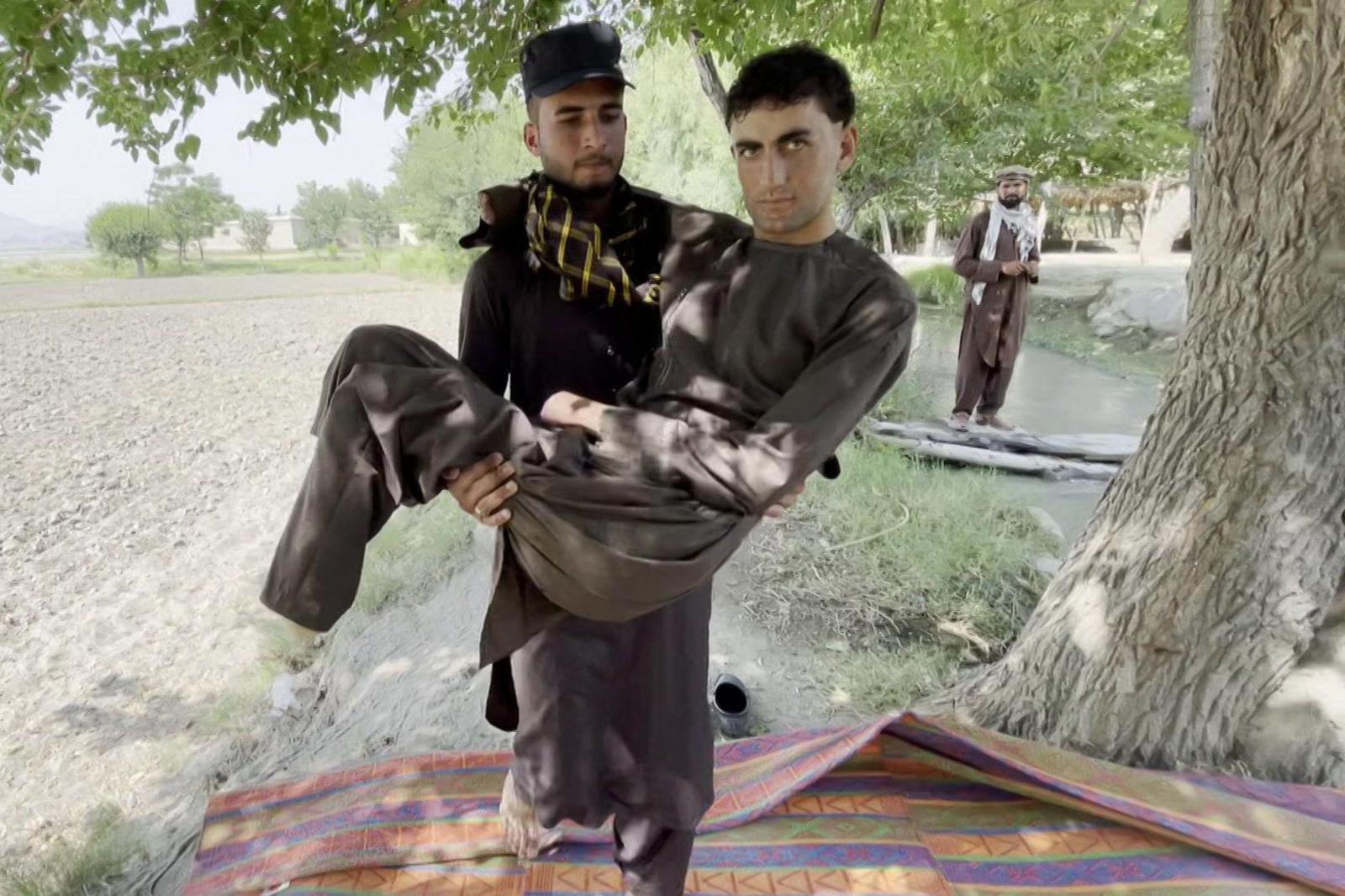
Eleven of the twelve men were left with severe frostbite that eventually led to amputations of limbs, while a 13‑year‑old boy named Asim was found partially frozen, his body a testament to the lack of timely medical care. Despite Turkish authorities’ claim of following national and international law, they did not address the allegations directly, maintaining that all migrants received necessary assistance such as food and water.
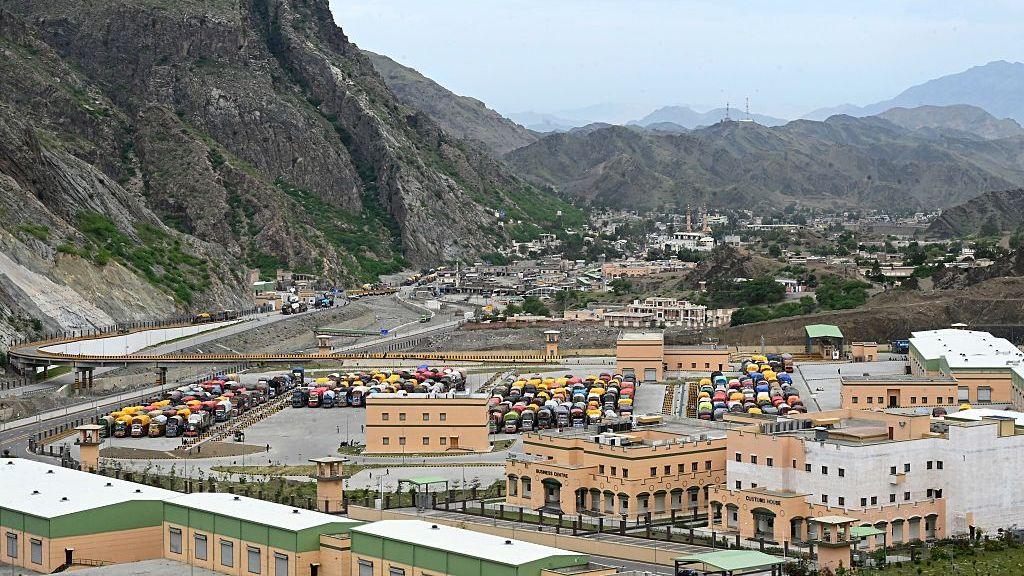
The stage was set against the backdrop of Turkey’s increased border surveillance, following the Taliban takeover of Kabul in 2021 which forced Afghan migrants to traverse perilous routes to avoid detection. Activists and the Van Bar Association Human Rights Centre note that mountain climates, often used by migrants for clandestine crossings, present extreme weather conditions that amplify risks when compounded by inadequate safety protocols.
International agencies, including the Red Crescent, later escorted the survivors to Herat Province and eventually to Kabul’s hospitals. Here, Shahsawar’s hands and legs were amputated after a long waiting period for medical intervention, illustrating that frostbite can be fatal if treatment is delayed.
The ordeal highlights the broader intersection of climate hardship and human rights. As global temperatures rise, the frequency of abrupt weather changes increases, consequently creating new hazards for people seeking refuge. Thus, confronting these crises requires not only humanitarian aid but also adaptive border strategies that integrate climate resilience and uphold basic human dignity.