China’s Q2 GDP Slowdown Sparks Climate‑Transition Challenges
China’s official Gross Domestic Product grew 4.3% in the second quarter of 2026, a figure that falls short of the 4.5‑5% target set by Beijing and marks the sharpest contraction since the lifting of Covid lockdowns in early 2023. While exports leapened 27% in June year‑over‑year, the surge was insufficient to offset a stark decline in domestic consumption and rising raw‑material costs.
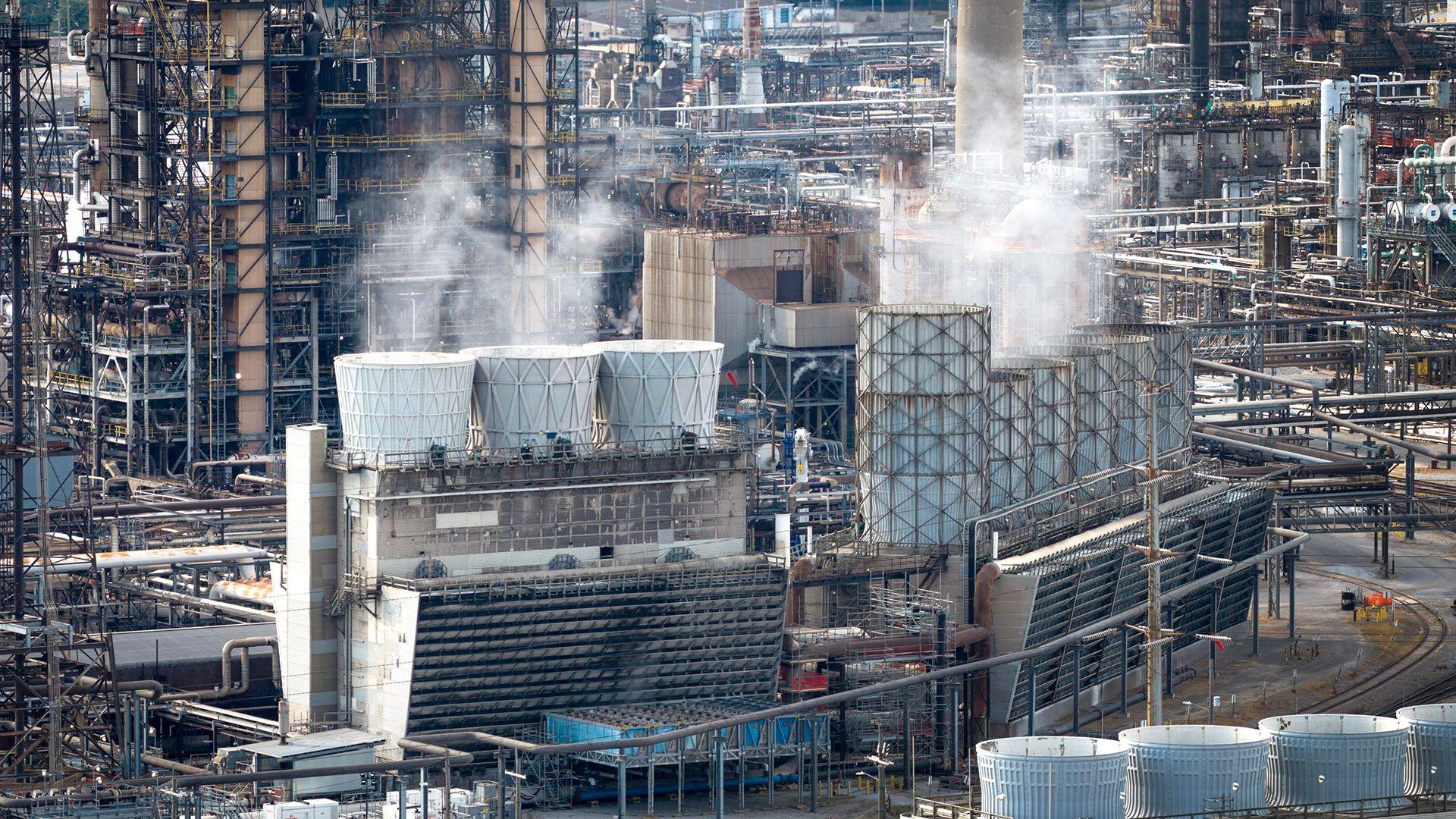
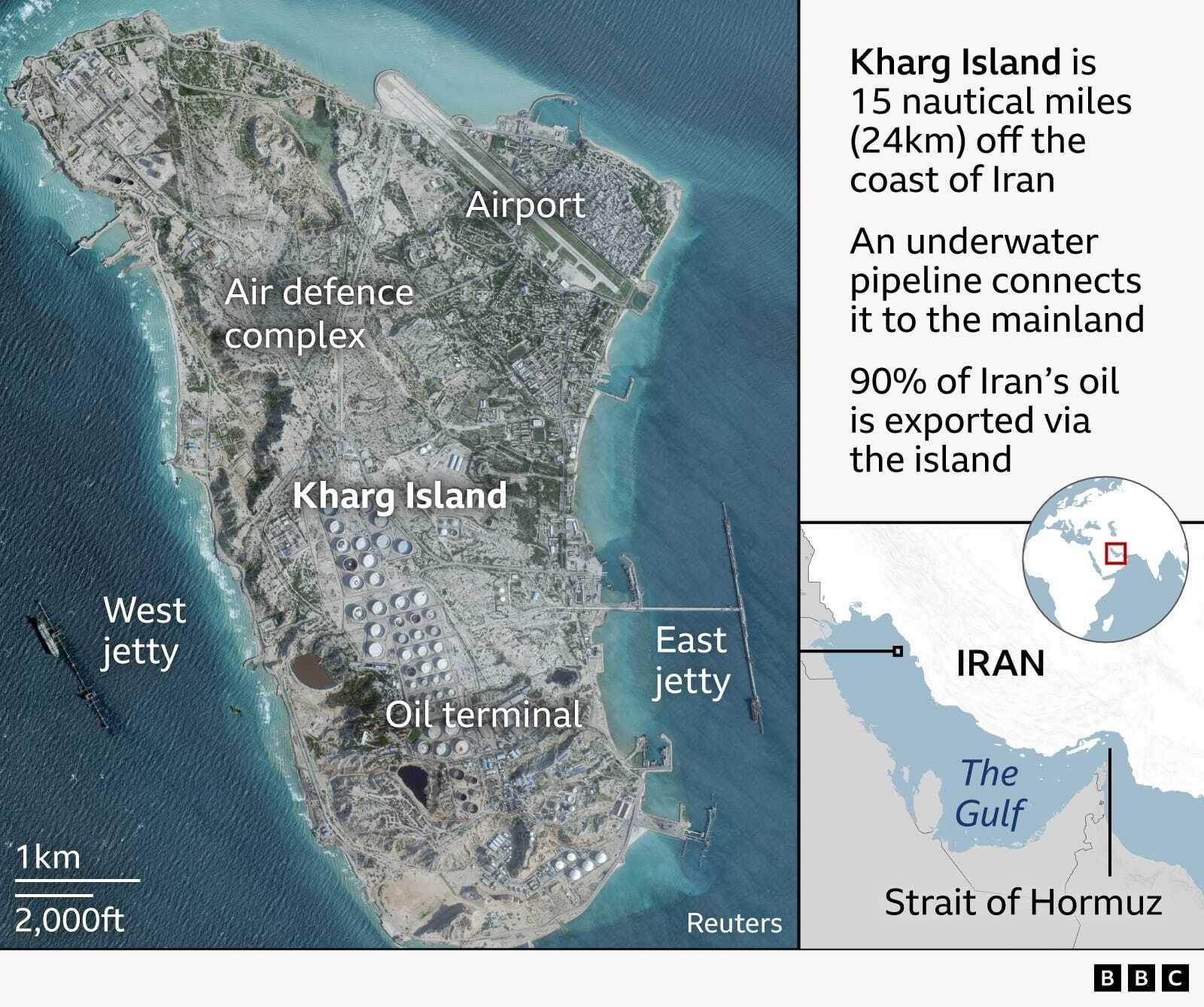
The underlying dynamism in the domestic economy has been eroded by a confluence of factors. Energy prices have spiked concomitant to the Iran conflict, pushing petroleum to new highs and thereby inflating manufacturing inputs across China’s industrial sectors. The National Bureau of Statistics highlighted an imbalance between strong supply and weak demand, a trend that threatens to choke the country’s injection of capital into renewable‑energy projects.
Nevertheless, China’s export performance now showcases a green pivot. Tech shipments, particularly high‑performance semiconductors that power AI data centres, climbed as global demand for AI infrastructure surged. In parallel, electric‑vehicle (EV) exports surpassed the one‑million‑unit threshold in June, underscoring the continued acceleration of China’s transition toward low‑carbon mobility.
Experts remain divided about the significance of the slowdown. According to Capital Economics analyst Julian Evans‑Pritchard, the revised growth target may have simply brought more realism into China’s macro‑projections, offering a less alarmist picture of an economy in distress. Yet, if the shock proves to be sustained, the strain on utilities could tilt sectors away from clean‑energy investment schemes and amplify the cost burden on future green projects.
For climate‑directed policymakers and citizen‑scientists, the figures present both an impetus and a caution: foster robust domestic demand for renewable technology while insulating the country’s supply chains against geopolitical price shocks. In a global effort to keep temperatures from exceeding 1.5°C, China’s ability to convert its outsized production capacity to sustainable outputs will remain pivotal to limiting future emissions.