China Detains U.S. Seismologist Linked to Nuclear Test Tracking
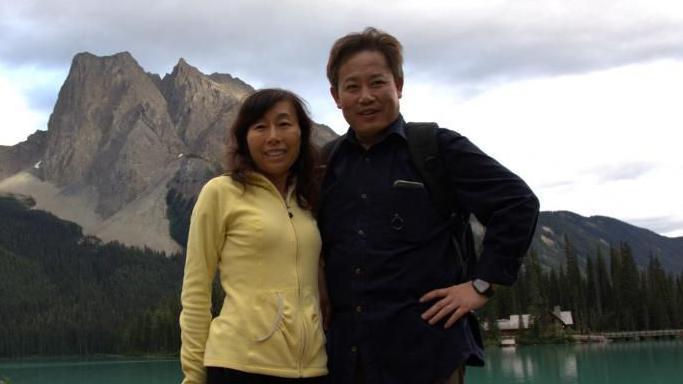
In November, Beijing arrested Chen Youlin, a 54‑year‑old U.S. citizen who specializes in using seismic data to identify underground nuclear detonations, while he was visiting family in the capital. The claim of espionage—highlighted by China’s foreign ministry—has no evidence according to Chen’s wife, Rong Yufang, who says their scientific collaborations were fully transparent.
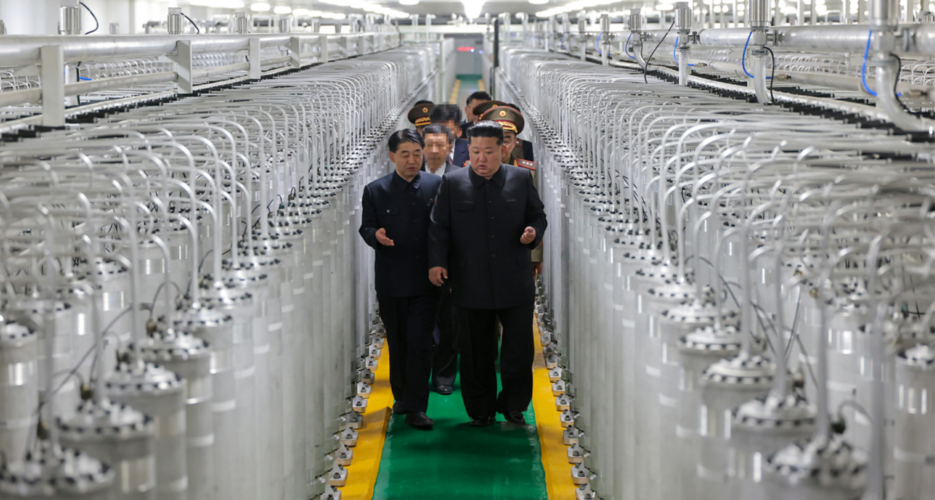
Chen’s research portfolio spans the analysis of seismic signals from North Korea, a close ally of China and a nation under long‑standing nuclear sanctions. The study of such data, often funded by U.S. agencies, is crucial for monitoring violations of the Comprehensive Nuclear Test Ban Treaty. Whether his work provided China with counter‑measure knowledge is contested.
The detention of a U.S. scholar echoes earlier arrests of foreign researchers in China, most recently Min Zin, the director of a Myanmar‑focused think‑tank. Beijing insists all courts operate under law, while U.S. Senator Edward Markey denounces the actions as a deterrent to academic collaboration across borders.
Reports indicate Chen has faced extensive interrogation, denied legal counsel for over a year, and lacks proper access to treatment for chronic conditions such as diabetes, hypertension, and high cholesterol. Global Reach, a hostage‑advocacy group, urges international scrutiny to secure his release and highlight the dangers of political overreach in science.
The international community watches closely as the detention raises questions about the intersection of science, security, and diplomacy. The case challenges fragile ties between the United States and China while spotlighting the indispensable role of open scientific data exchange in global nuclear governance.