The venue is ready, the guards are in place and the curb along the approach road has received a fresh coat of yellow and black paint.
Islamabad awaits.
As hosts of vital US-Iranian talks, the Pakistani government officials are making optimistic noises, emphasising that unlike many others, they enjoy the trust of both sides.
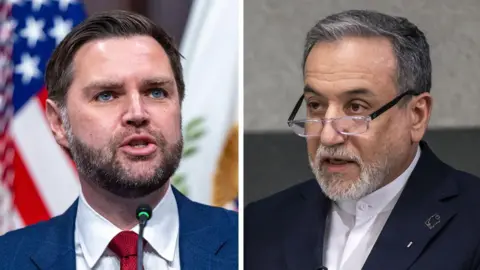
The man heading the US delegation, Vice President JD Vance, is also sounding upbeat.
If the Iranians are willing to negotiate in good faith, he said before leaving the US, we're certainly willing to extend the open hand. But there was a warning too.
If they're going to try to play us, then they're going to find the negotiating team is not that receptive. It's fair to say that a whole mountain of obstacles lies ahead.
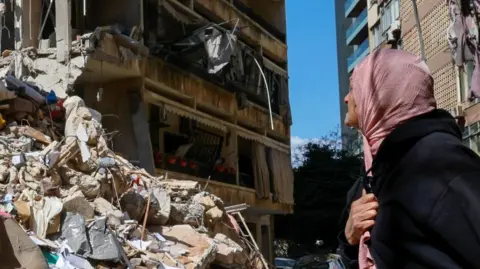
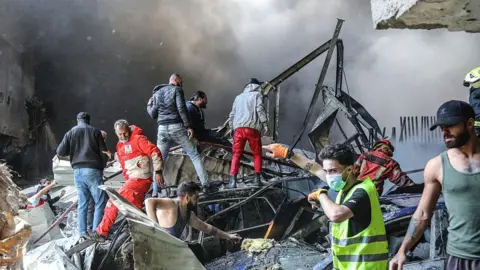
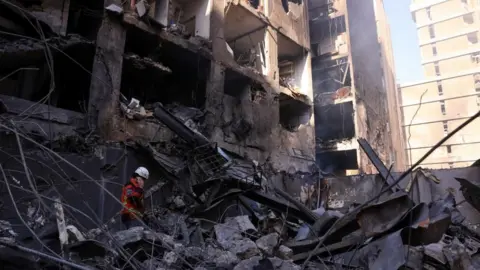
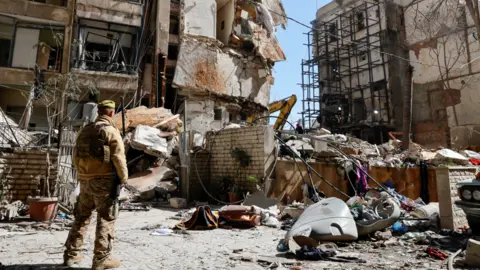
One major issue stems from Israel's ongoing campaign against Hezbollah, Iran's Lebanese ally. Iran’s president, Masoud Pezeshkian warned that such actions would render negotiations meaningless.
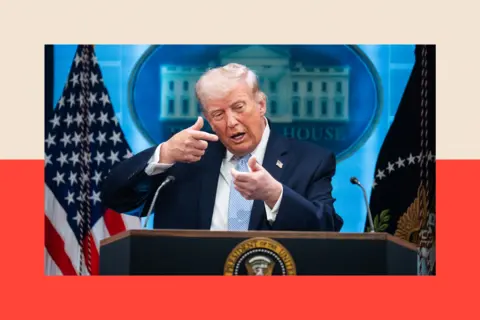
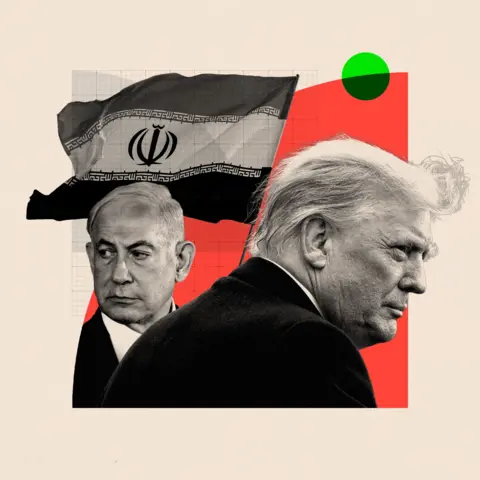
Another key sticking point is the Strait of Hormuz, where Donald Trump criticized Iran's handling of shipping navigation, indicating tensions over maritime rights may complicate discussions.
The crux of the matter lies in Iran's nuclear ambitions, with both nations presenting opposing proposals. While the US demands the complete halt of uranium enrichment, Iran asserts its rights under the Nuclear Non-Proliferation Treaty for civilian purposes.
Additional layers of complexity arise from Iran’s regional alliances and the pressing demand for sanctions relief, as the country seeks the lifting of crippling international sanctions.
Despite the looming challenges, the world watches closely as the high-stakes diplomacy unfolds in Pakistan.