Canadian Wildfire Crisis: State of Emergency in British Columbia Amid Doubling Blaze
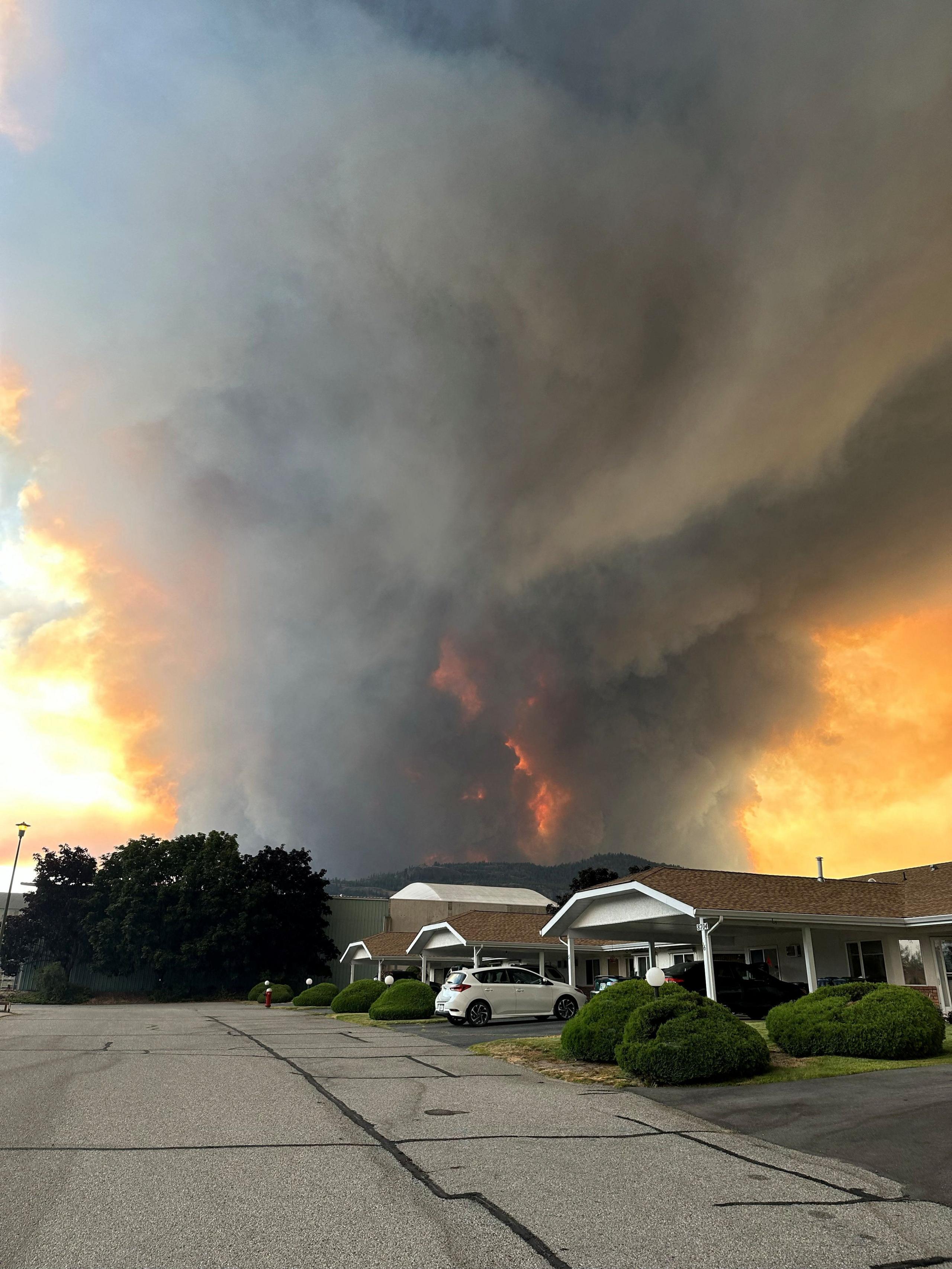
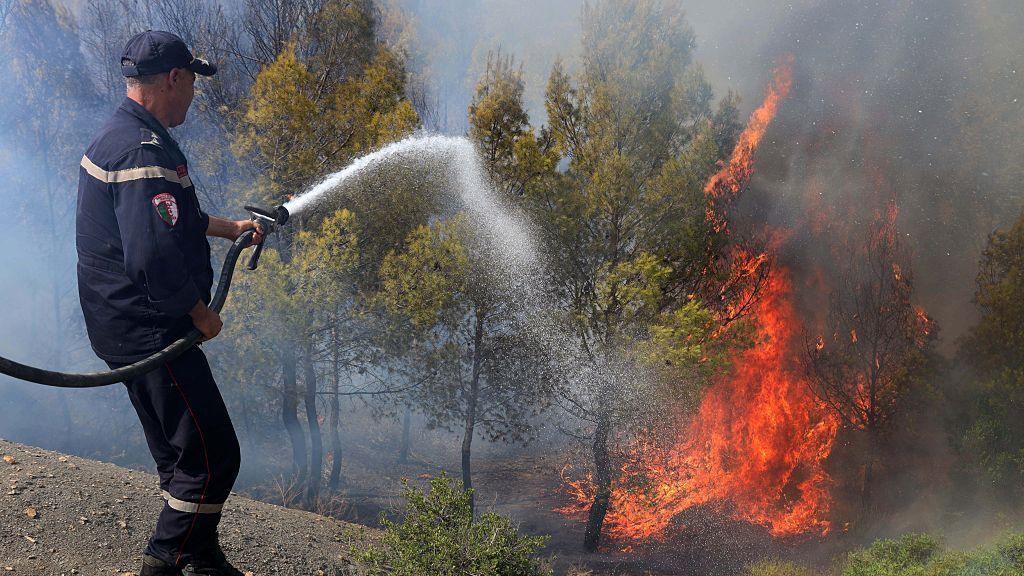
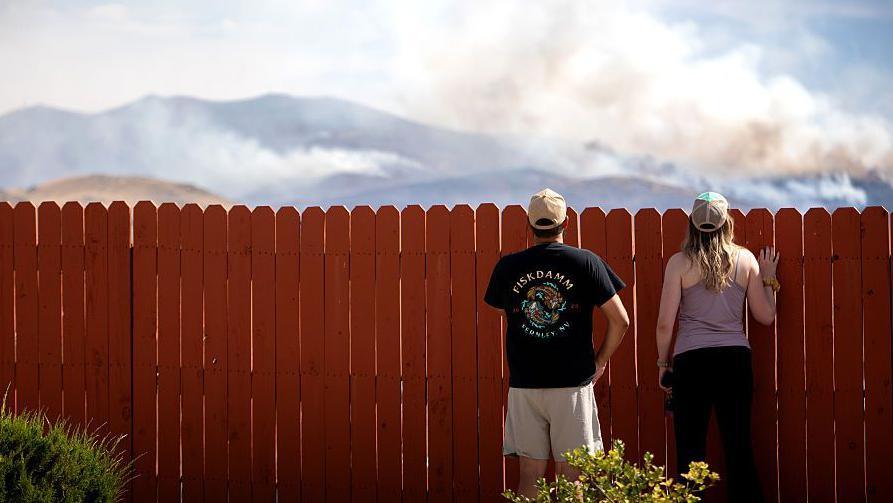
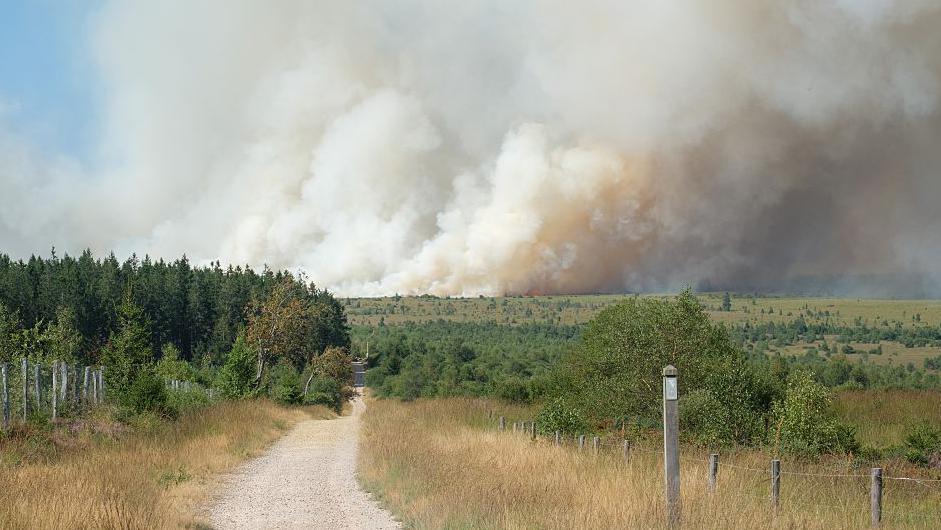
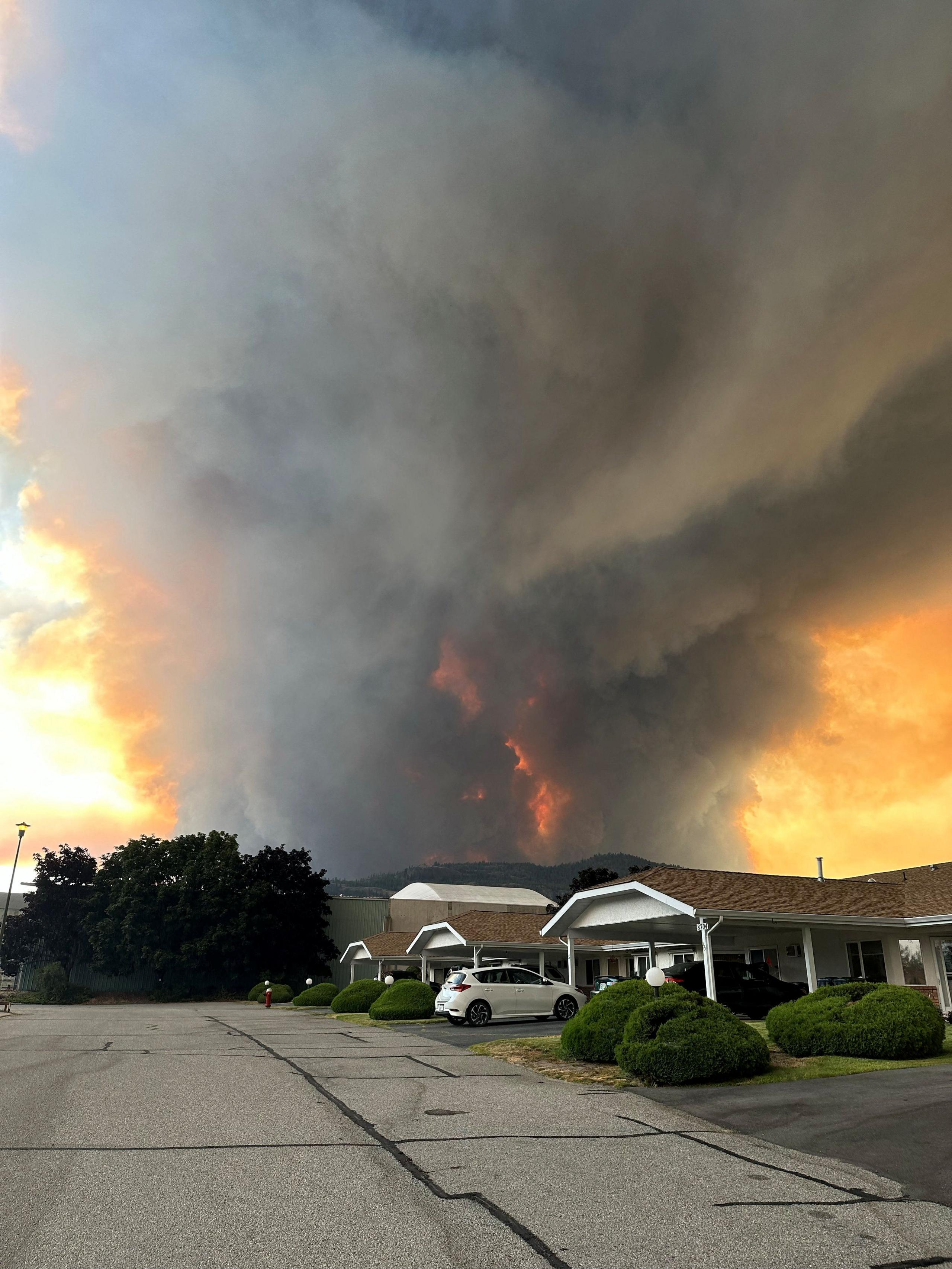
In western Canada, the Bald Range wildfire has expanded dramatically, now covering over 39 square miles, prompting a state of emergency and mass evacuations across British Columbia’s Okanagan region.
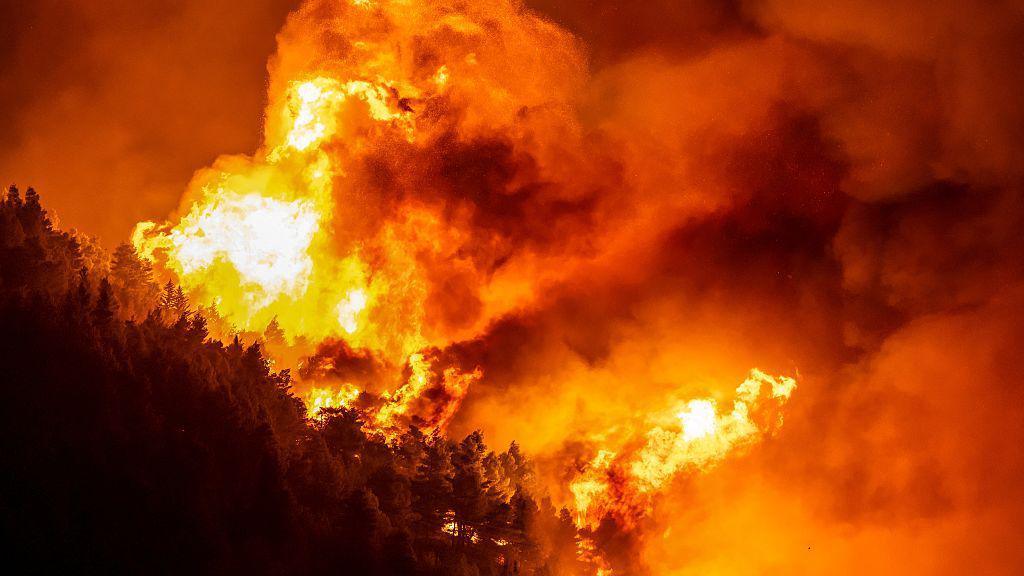
Premier David Eby described the blaze as "like a bomb going off," noting that the heat generated its own weather system, producing lightning that feeds the fire. Thousands of residents were forced to flee homes, with more than 20,000 people currently displaced.
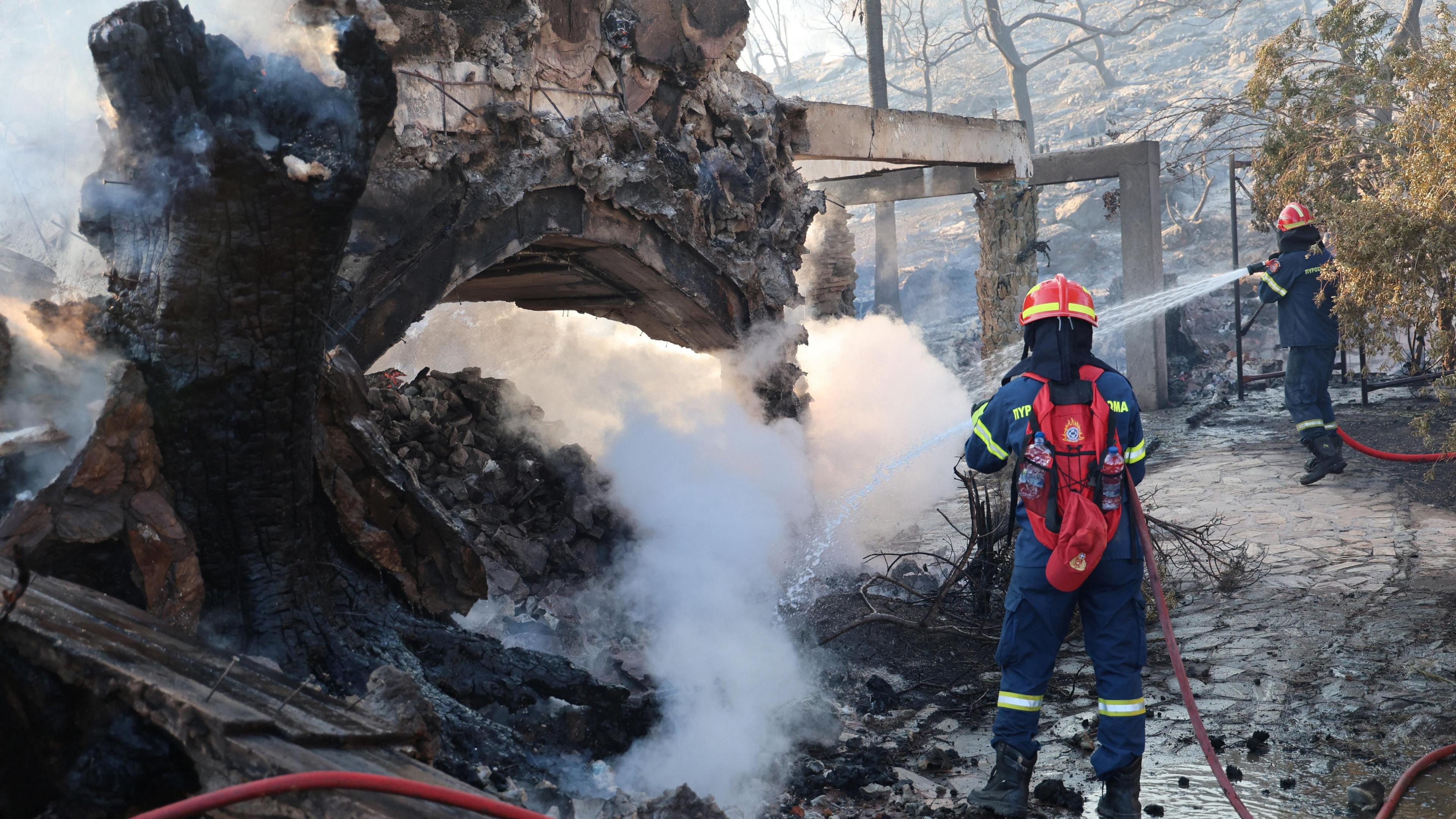
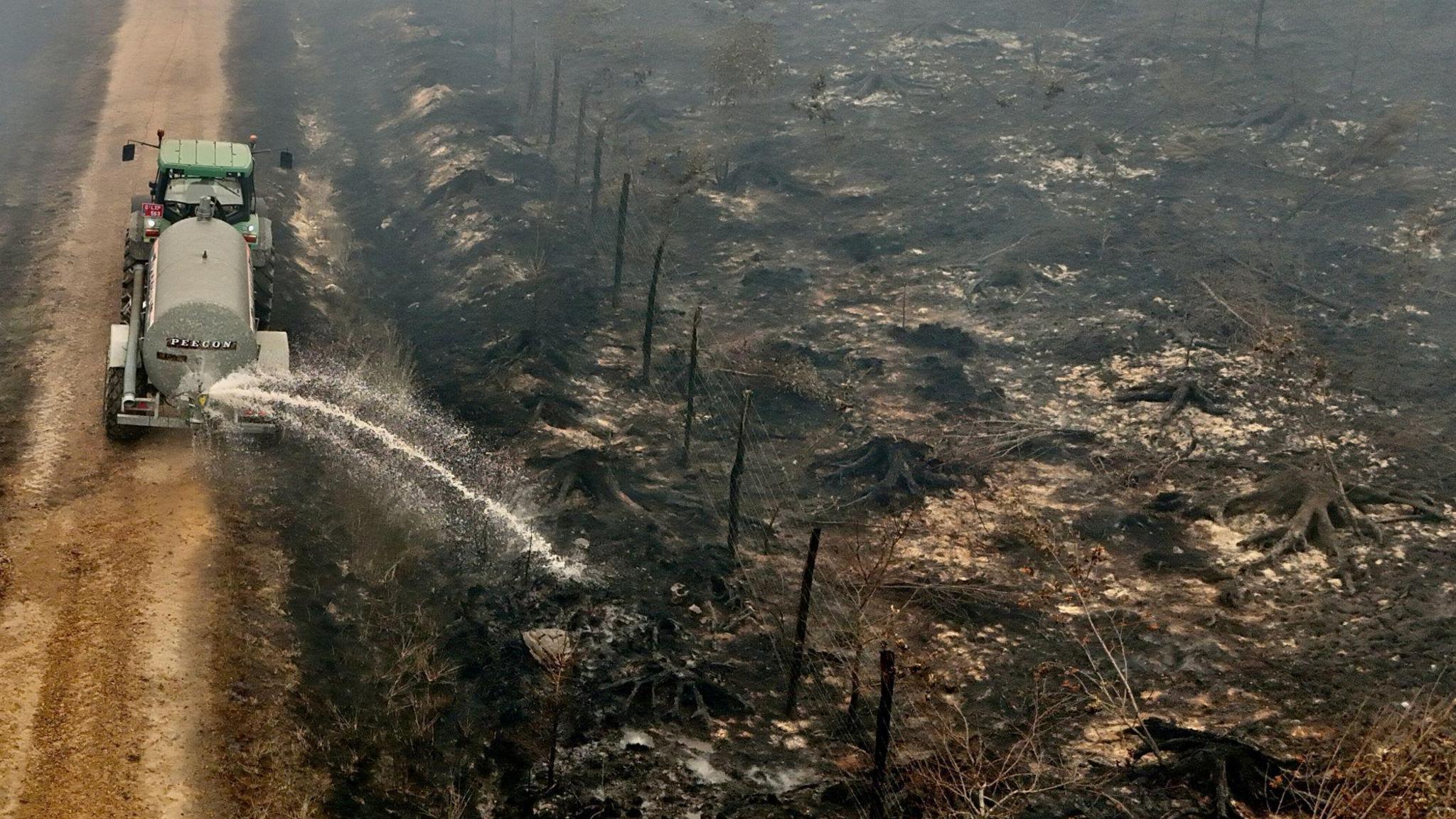
The emergency declaration grants provincial authorities powers to restrict travel, secure supplies, and coordinate rescue operations, aiming to protect life and property. Local officials report that farms and residential structures have been heavily damaged, though exact losses have yet to be tallied.
The wildfire’s intensity has also disrupted animal communities; several horse owners in the Okanagan struggled to evacuate their livestock, marking the event as one of the most challenging environmental emergencies this summer.
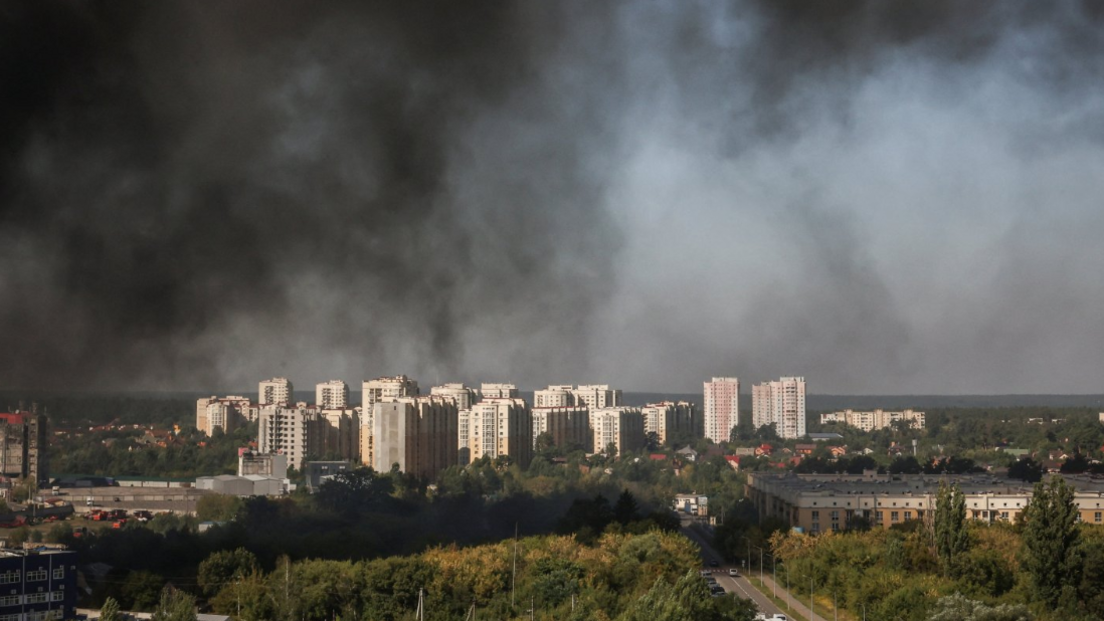
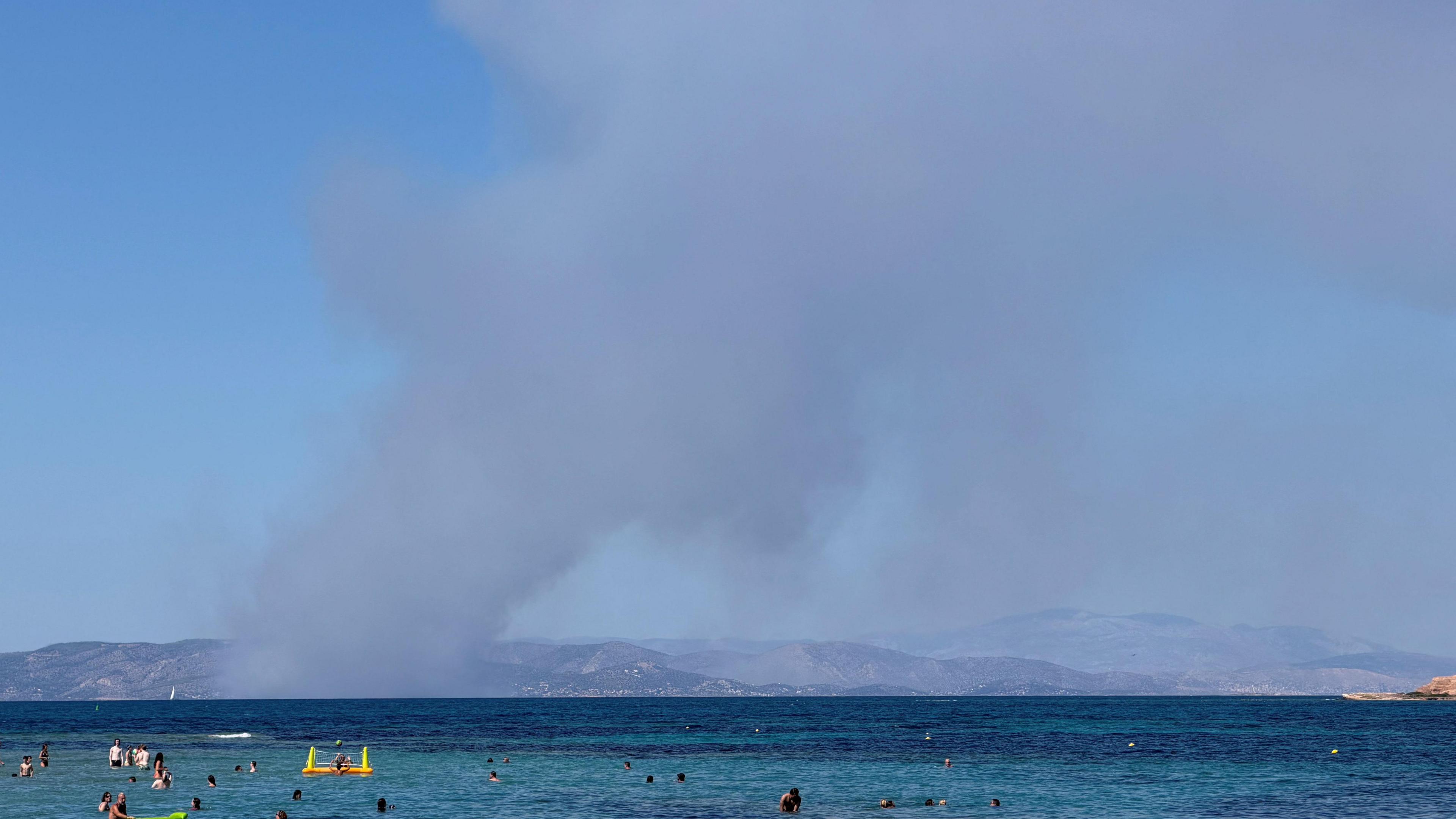
Smoke from Canada’s summer wildfires has already crossed borders, affecting air quality in parts of the United States, spotlighting the need for cross‑border climate collaboration and fire‑resilient infrastructure.
The situation underscores how climate change fuels larger, faster‑moving fires—prompting urgent calls for adaptive strategies and sustainable land management.