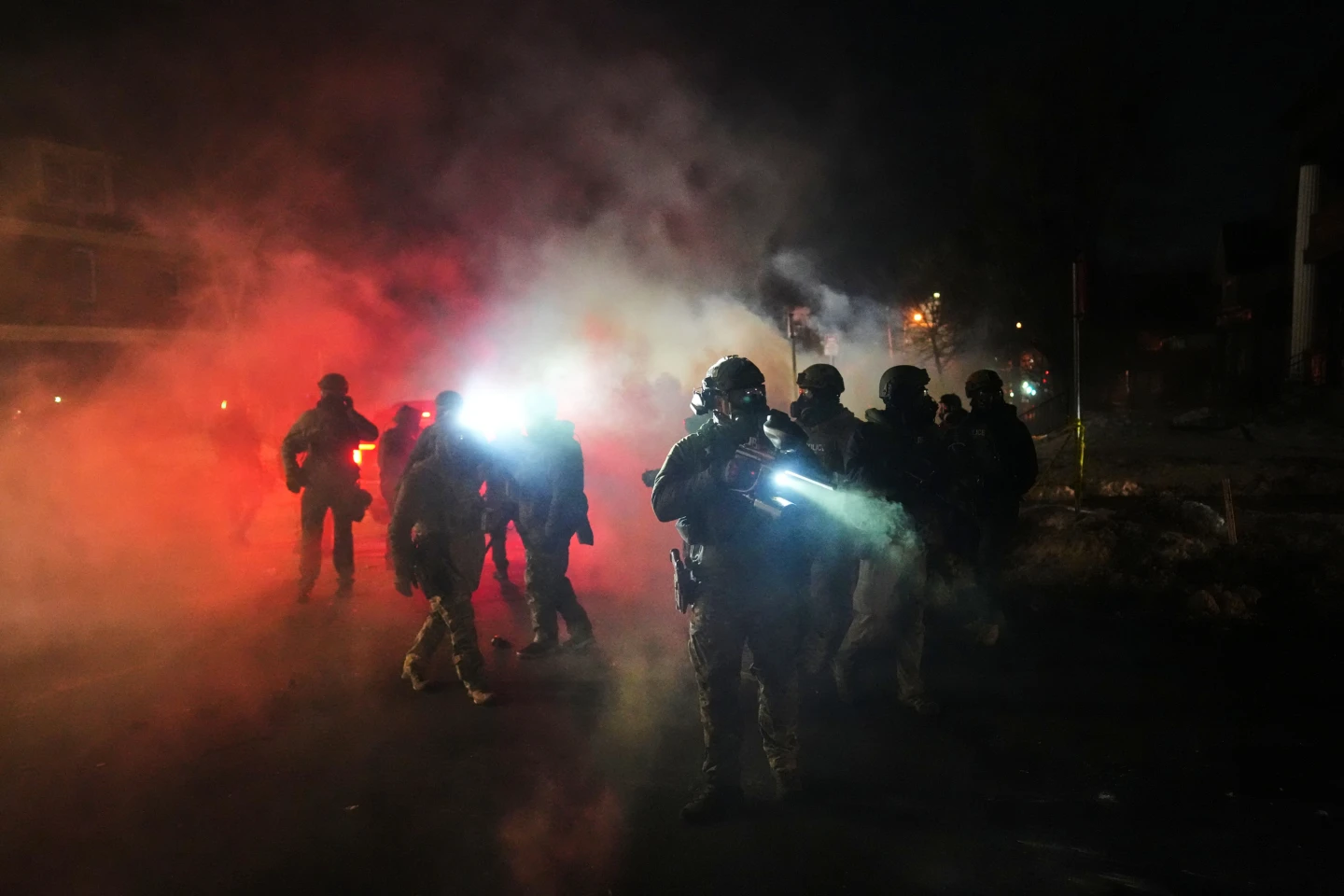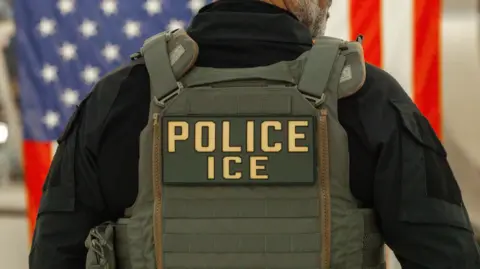
As the U.S. government escalates its immigration enforcement under President Trump's policies, businesses—ranging from family-run cafes to major retailers—are feeling the pressure. In Minneapolis, where a large-scale operation by the Department of Homeland Security is underway, many local businesses are temporarily closing their doors or halting reservations in response to community protests and heightened ICE activity.
Recently, following the tragic incident where U.S. Border Patrol fatally shot an individual in Minneapolis, over 60 leading CEOs signaled a need for deescalation and cooperative solutions. While these business leaders have expressed their need for more profound engagement, they have refrained from directly referencing immigration enforcement or the arrests occurring within their establishments.
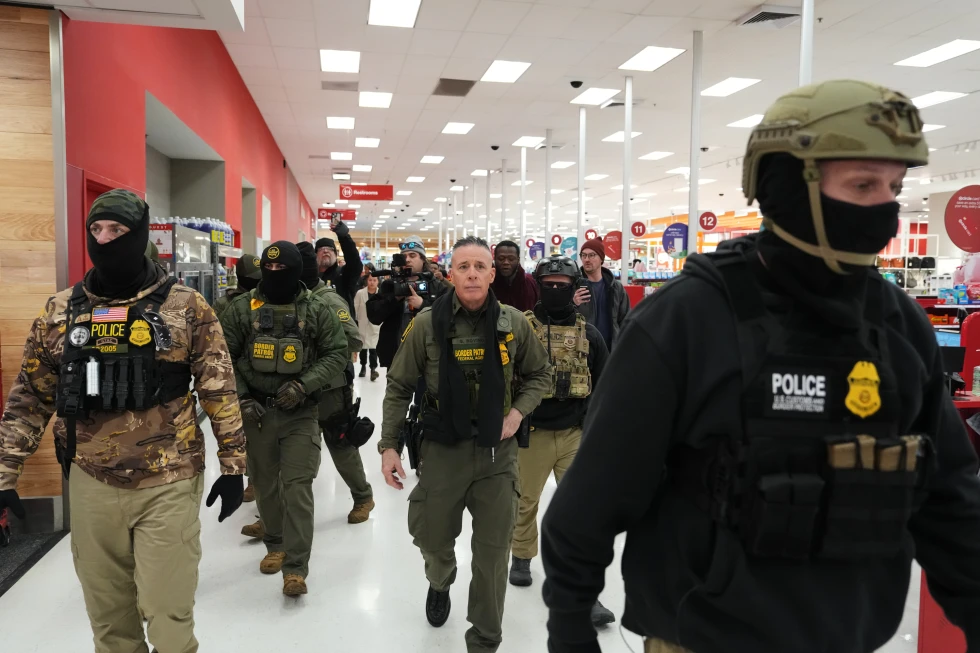
Previous enforcement actions have raised concerns; videos emerged showing ICE detaining workers from Target, and there have been incidents at Home Depot parking lots nationwide. This marks a noticeable shift in ICE’s strategy, as it engages in aggressive audits and enforcement actions across the country.
Understanding ICE's Powers
Businesses are now navigating the complexities of how ICE operates. Law enforcement, including immigration officers, can access public areas like storefronts without warrants. However, areas that maintain privacy, such as employee-only sections, typically require a judicial warrant for ICE to enter.
There's controversy regarding the clarity of consent for ICE officers to enter private spaces, creating a challenging legal environment for businesses struggling to maintain operational continuity while addressing the threat of sudden inspections.
Growing Resistance Among Businesses
Some firms are taking steps to inform themselves and their employees regarding their rights in light of increased ICE activities, including recognizing warrants and enhancing protocols for unexpected arrivals of immigration officers. Furthermore, they are witnessing a shift in public perception against ICE’s practices, compelling many smaller businesses to vocalize concerns over the implications of these enforcement actions on their communities and economy.
The Public's Reaction
The actions of ICE have ignited considerable community unrest, with activists urging major corporations to take stronger positions against migration enforcement interruptions. Many firms, including Target and Home Depot, have been targeted for their perceived failure to speak out openly about immigration enforcement in their spaces, as a critical remark on corporate accountability amidst these events.
Despite risks, industry associations are emerging for businesses to discuss their predicament regarding ICE enforcement collectively. Advocates argue that these enforcement actions are creating labor shortages and further detriment to economic stability, emphasizing the need for businesses to engage openly about migration enforcement.