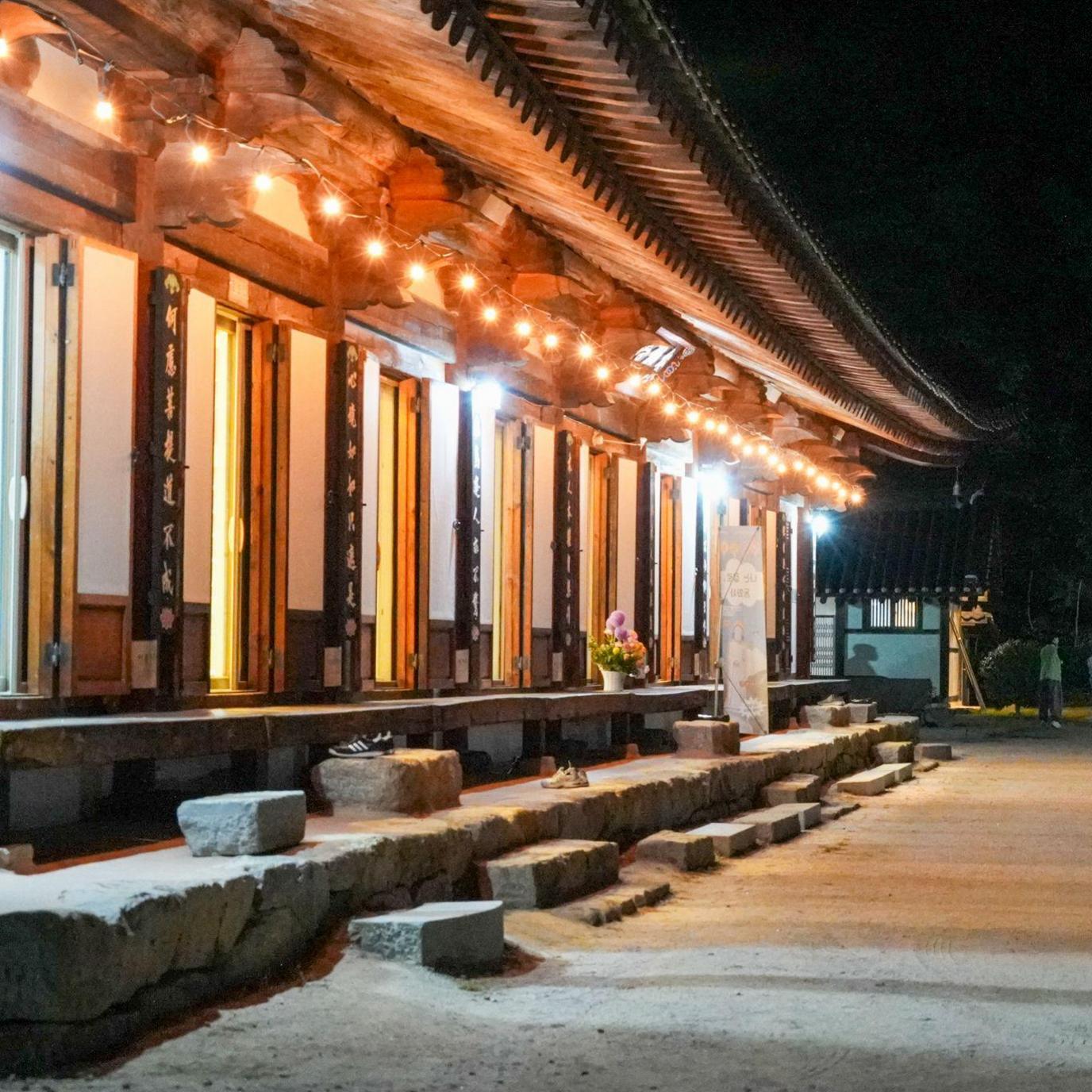
South Korea’s fertility crisis has spurred government initiatives ranging from long‑term parental leave and baby‑birth cash vouchers to subsidised housing. Yet even as these policies promise to encourage families, the country still faces an ever‑shrinking population. In a bold experiment, a 30‑hour dating retreat was organised at Donghwasa Temple—an 8th‑century Buddhist site in the lush Palgongsan mountains—to help young people find partners—and ultimately, new life.
Participants were hand‑picked from a pool of more than 1,600 hopefuls after a rigorous screening of questionnaires and selfie videos that assessed their seriousness about marriage and children. The final 24 singles—12 men and 12 women—spent an entire day in a series of activities: introductions, group discussions, a walk through the temple’s forested courtyard, a shared lunch, and even a light‑hearted talent show featuring music and dancing.
A monk in burnt‑orange robes opened the retreat, reminding attendees that the temple’s historic role had once been a defensive post against Japanese invaders. Today it stands as a living reminder of the nation’s responsibility: to encourage families. The host, Yoo Cheol‑ju, emphasised that low birthrates pose a national crisis and that the retreat’s purpose was to "save our country" by marrying and starting families.
During the first activity, men offered homemade French pastries—one participant even baked them himself—while women, dressed in bright lanyards, built a feel‑good atmosphere of politeness and curiosity. The monks guided the pair‑matching process: a man hand‑off rose to the woman he wished to know better; a collective lunch encouraged conversation about work, hobbies and favourite shows; and a light talent‑show let the participants show off cultural knowledge or musical skill.
Despite the spirited opening, the retreat remained clearly structured, culminating in a senior monk’s speech that urged participants to procreate and to partake in the national wedding song. Some were left with a new partner—eight couples emerged, including a few who paired with event staff—while others departed with new friendships and the confidence of having explored a less conventional route to romance.
As the retreat closed, many singles reflected on how the sanctity of the temple, combined with the support of monks and government policy, presented a hopeful, community‑based alternative to the difficulty of meeting partners in a fast‑paced, digital‑age Korea.
While not every participant found a match, the retreat proved that combining cultural heritage with social innovation could spark renewed interest in relationships—and perhaps, over time, help address South Korea’s low fertility levels.