In brief
The recent Brics summit in Russia marked a pivotal moment for India as the organization welcomed new members, enhancing India's diplomatic ties while allowing it to navigate its relationships both with Western and non-Western countries amid global tensions.
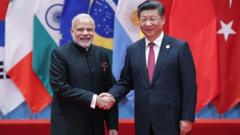
The Brics coalition, long viewed skeptically by Western critics, is emerging as a formidable platform for global cooperation, with India poised to be one of its primary beneficiaries. At its latest summit in Russia, attended by leaders from 36 countries including the United Nations Secretary-General, the group warmly welcomed Egypt, Ethiopia, Iran, and the United Arab Emirates into its fold. This expansion, which stands in contrast to its previous addition of only South Africa in 2010, highlights the group's growing relevance on the global stage.India, known for its strategic Western alliances, finds itself in a unique position of advantage within this evolving bloc. With deep-rooted partnerships with the newly inducted members, particularly with Egypt and the UAE, India can leverage Brics as it furthers its interests and maintains ties with Russia amidst global criticism. Engaging with China through Brics also offers a diplomatic avenue for India to ease ongoing tensions, especially following a recent border patrolling agreement that has opened the door for dialogue between Prime Minister Modi and President Xi Jinping during the summit’s side events.Moreover, Brics aligns closely with India’s foreign policy goals, such as advocating for strategic autonomy and fostering relationships across diverse geopolitical spectra. This participation complements India’s role in the Indo-Pacific Quad and enhances its engagement with Western powers, providing a multifaceted approach to its international relations.The recent summit’s joint statement encapsulates shared values, pushing for multilateralism and a unified voice for the Global South—a priority for India as it seeks a permanent seat on the UN Security Council. Such alignment reinforces India’s broader outreach while allowing it to address Western sanctions affecting trade with Russia and infrastructure ventures with Iran.Despite concerns regarding Brics turning into an anti-Western entity due to the inclusion of members like Iran, the reality is more nuanced. The majority of the new members maintain positive relations with Western nations. Future additions rumored to include countries like Turkey and Vietnam further indicate a diverse alliance rather than a consolidated anti-West stance.However, Brics faces significant challenges in achieving cohesion among its diverse members. Historical rivalries among newer entrants, such as between Iran and the UAE or Egypt and Ethiopia, could hinder progress on unified initiatives. Additionally, while there are ambitious plans to create alternative payment systems to reduce reliance on the US dollar, the feasibility remains uncertain, as many members' economies are deeply integrated into the dollar-centric global system.Amid turbulent international relations, Brics presents a strategic forum for India, allowing it to advance cooperative initiatives in safe arenas such as climate action and public health. This approach not only demonstrates that Brics can pursue positive engagements without antagonizing the West but also reassures all parties that the group, despite its recent growth, is not an existential threat to established Western alliances.In conclusion, with its expanding membership and shared ideals, Brics offers India the opportunity to enhance its global standing and navigate the complexities of international diplomacy in an era defined by shifting dynamics. The recent summit underscored a commitment to collaboration on key avenues that reflect India’s core interests, setting a promising path forward in its multifaceted foreign policy strategy.