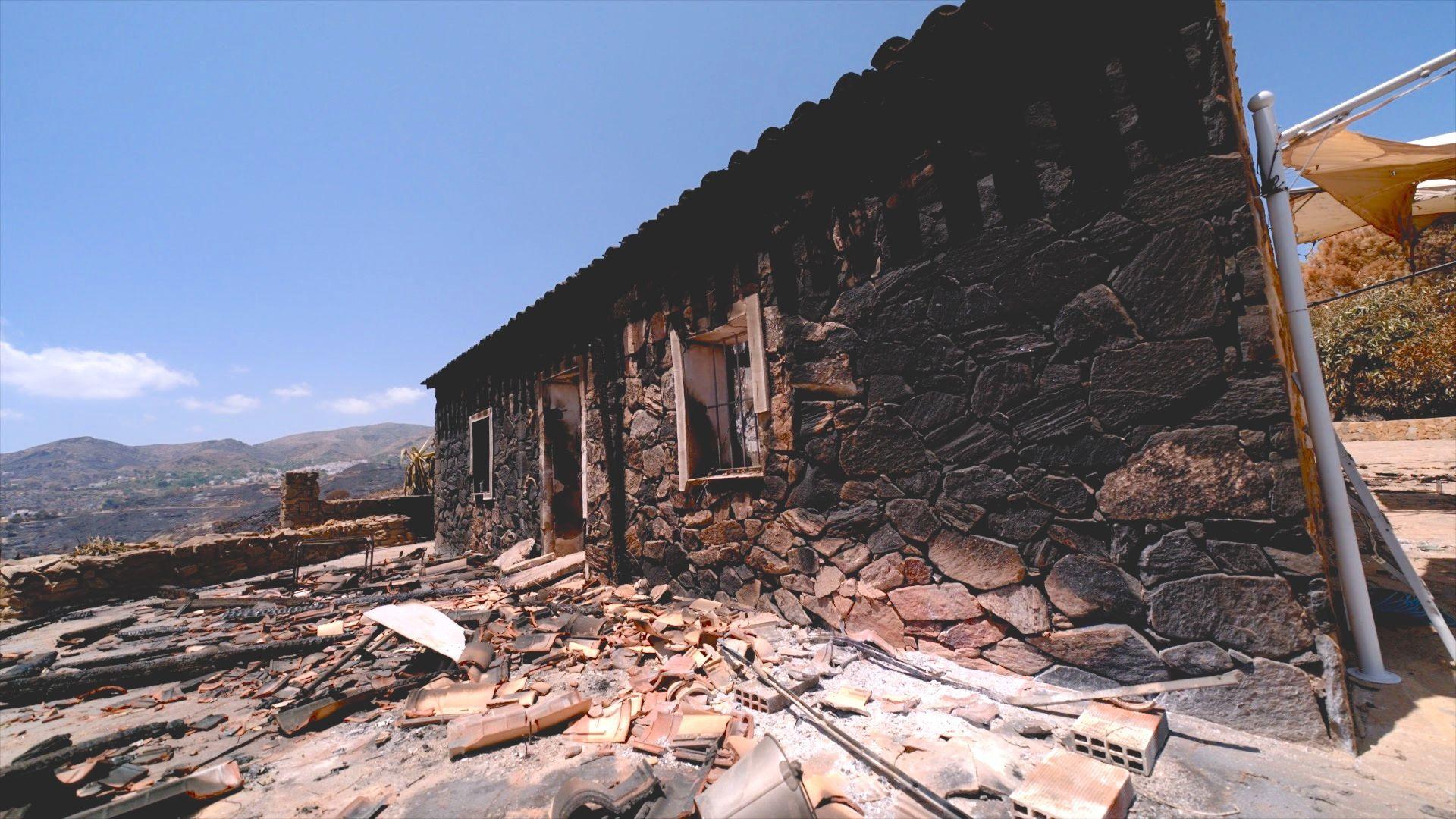
Malcolm Timbrell, a 70‑year‑old British expatriate, survived one of Spain’s most devastating wildfires, having to brave flaming landscapes while his wife, Annette, and 12 neighbors were believed to have been killed.
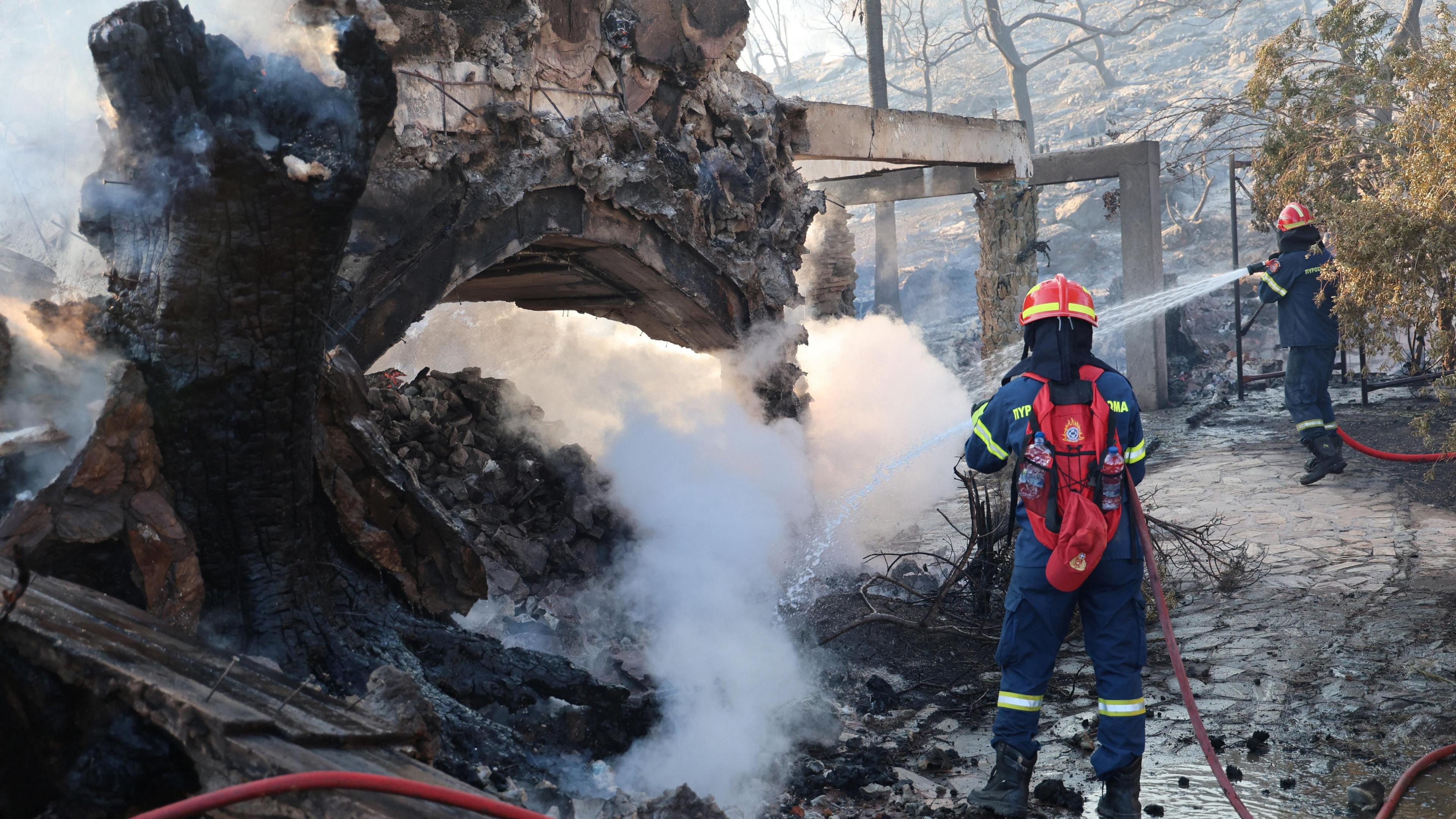
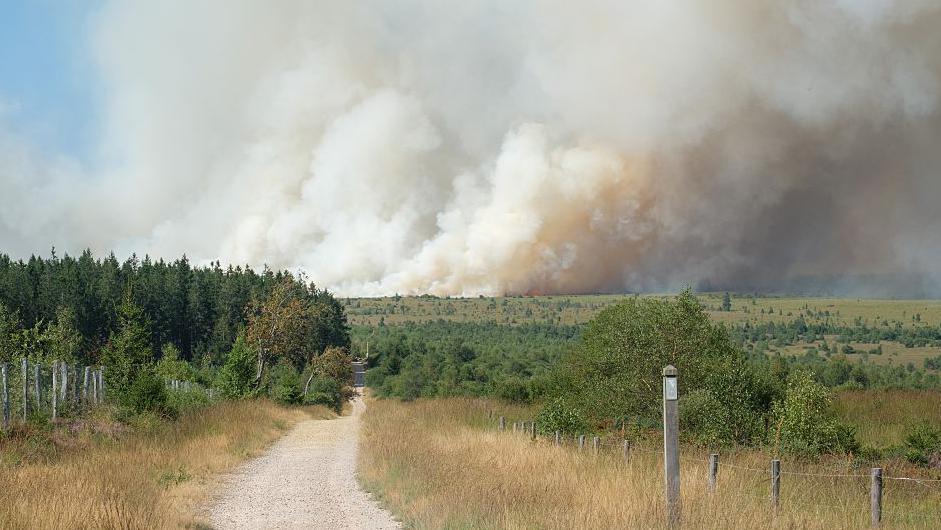
The flames that swept through Bédar, a village in Almería province, pierced burning wood and dry grass, advancing at speeds of more than 20 km/h. The deadly combination of escalating temperatures, winds, and accumulated fuel made the disaster one of the worst in Spanish history.
Faced with fast‑moving fire, Malcolm, his wife and their neighbors decided to flee by car. While the majority of their group attempted to exit the area, the couple was attached to their beloved cats, Charlie and Lilly, which compelled Malcolm to return to the house and abandon the chance to escape.
He recounted that the fire closed in on them as animals were rescued from the edges of the blazing path. Then, as vehicles vanished in a cloud of smoke, he observed the survivors shouting at the sense of inevitable danger, forcing him to decide in desperation whether to stay within the last surviving car.
“The fire was like a wall moving at 20 km/h,” Malcolm said, adding that 4 out of the 6 cars had combusted instantly, while he remained inside a partially singed vehicle that saved both his life and his pets.
After the blaze passed, emergency workers rescued the lone survivor. Authorities later uncovered bodies along the path near the house where the fire ultimately halted. In total, eight bodies were recovered, and additional bodies identified as Britons—alongside victims from France, Belgium and Spain—were found in vehicles that had been taken by the flames.
Local authorities noted the lack of a mobile phone alert system and the challenges faced by helicopters unable to fly within the smoke, indicating a need for improved evacuation protocols. The tragedy points to both the unpredictable nature of wildfires in the face of climate change and the lack of preparedness for mass‑displacement scenarios.
Malcolm praised the support received from international friends and local police, while he mourned the loss of companions and feared the emotional toll of learning the official identification of victims. “The hardest truth is that the bodies they found included a cat in their grasp,” he said, encapsulating the human cost of rising fire frequency.
In telling his story, Malcolm emphasizes that “no one’s to blame”; the combination of “dry land, high winds, and soaring temperatures” combined to make a perilous situation that demanded swift evacuation—an event that can be avoided with stronger fire‑preventive and community‑based adaptation strategies.