After the Moscow Bomb, How Security and Sustainability Intersect
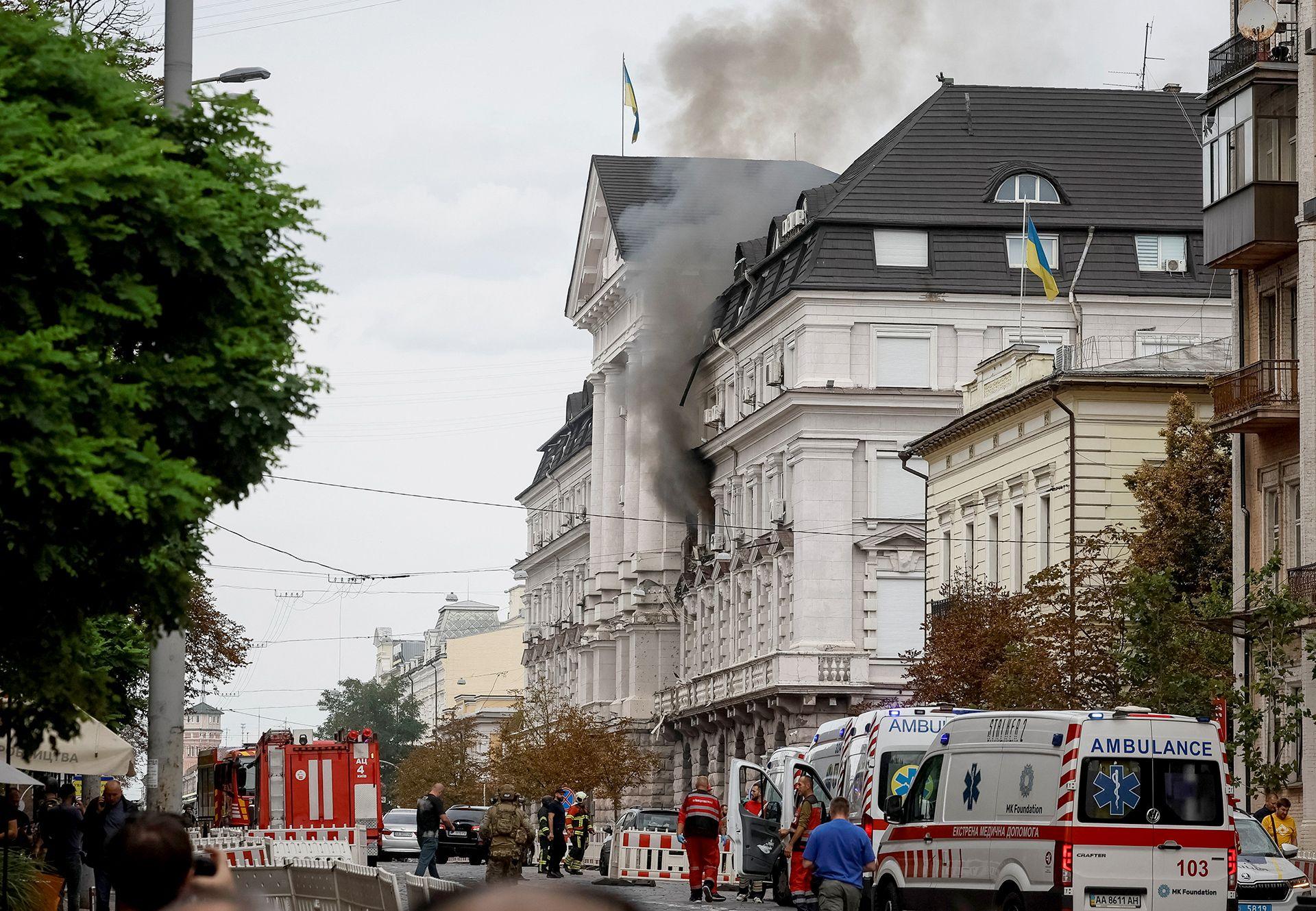
A homemade explosive device detonated near Kudrinskaya square in Moscow at about 20:00 local time, killing three people and injuring twenty‑one, according to state‑led security officials. The blast occurred outside an Italian‑style restaurant that was hosting a private private event, with a security guard stopping a woman carrying the bomb before she entered the establishment.
While the immediate human toll is harrowing, such violent acts also generate secondary environmental damages. The explosion releases a plume of toxic gases and particulates that can linger in city air, while the destruction of buildings produces hazardous debris that must be carefully managed to avoid soil and water contamination.
Urban planners are calling for the integration of climate‑smart, resilient infrastructure into emergency response plans. Strategies include deploying modular green roofs on shelters, using rapid‑deployment renewable energy generators to replace down‑fallen power grids, and instituting robust waste‑segregation protocols to reduce post‑blast environmental liabilities.
The incident underscores a broader truth: securing public spaces against terror is inseparable from creating cities that can recover from, and thrive amid, environmental shocks. By weaving sustainability and security together, municipalities can protect both the life of residents and the integrity of ecosystems that support future generations.