In brief
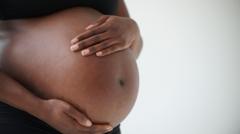
In a move aimed at reducing its alarming maternal mortality rate, Nigeria has introduced a scheme for free emergency Caesarean sections for vulnerable women. The program, part of the Maternal Mortality Reduction Innovation Initiative, is designed to ensure that financial barriers do not hinder access to urgent medical care, with support from international health organizations.
In a groundbreaking initiative to improve maternal health, Nigeria has announced that it will provide free emergency Caesarean sections to poor and vulnerable women. This decision comes in response to the country's staggering maternal mortality rate, currently the fourth highest globally at 1,047 deaths per 100,000 live births. The initiative aims to address the significant barriers related to the cost of medical procedures that many pregnant women, especially in rural areas, face when seeking emergency care.Health Minister Muhammad Pate emphasized the need for such a program, stating, “No woman should lose her life simply because she can’t afford a C-section.” With an average price of around 60,000 naira ($36; £28) for a Caesarean, many women are unable to afford this critical procedure. Over 40% of Nigerians live below the international poverty line of $2.15 per day, highlighting the dire need for affordable healthcare options.The newly established Maternal Mortality Reduction Innovation Initiative allows eligible women, registered under Nigeria’s public health insurance scheme, to access Caesarean sections in public hospitals at no cost. Public hospitals will establish social welfare units to screen for eligibility and identify women who are in need of assistance. This move is a crucial step towards reducing the high rates of maternal mortality associated with causes such as severe hemorrhage and obstructed labor.International support has been voiced for the initiative, with the World Bank and the World Health Organization (WHO) commending the Nigerian government's efforts. Trina Haque from the World Bank labeled the program a "game-changer," while Kazadi Mulombo of the WHO expressed commitment to providing assistance throughout the implementation process.NGOs in Nigeria advocate for expanded access to maternal healthcare, urging the government to broaden the initiative to include free medications and ultrasounds for pregnant women. Rhoda Robinson from HACEY emphasized that the initiative will greatly benefit women from low-income backgrounds who may resort to unsafe alternatives due to financial constraints.As Nigeria seeks to lower its maternal mortality rates, the success of this new initiative will be closely observed, with hopes that it will pave the way for comprehensive healthcare improvements for women and children throughout the nation.