In brief
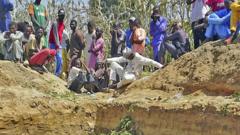
Mustapha Majiya, a resident of Majia, Nigeria, grapples with the aftermath of a catastrophic tanker explosion that took the lives of nearly 50 of his relatives, leaving an entire community in mourning and calling for urgent safety reforms.
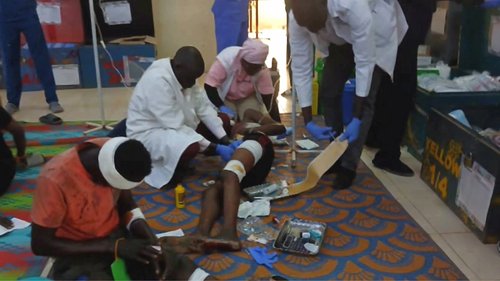
The shocking incident occurred on Tuesday night in Jigawa State, resulting in a fiery explosion that killed at least 170 people, many of whom were attempting to gather spilled petrol. The fuel, highly sought after amid soaring prices and shortages in Nigeria, led young men, including Majiya’s nephews, to disregard dangers and rush towards the accident site. Majiya’s 16-year-old nephew, Nuradeen Rabiu, and 17-year-old Dini Babalo lost their lives trying to prevent others from getting too close. “I bought them books and new uniforms for the term,” Majiya lamented, reflecting on their unfulfilled potential. The explosion, one of Nigeria's deadliest tanker incidents in recent memory, has resurfaced discussions concerning road safety and regulatory enforcement. Kola Ashiru-Balogun, an urban developer, points out that Nigeria’s reliance on road transportation for fuel distribution is a critical failure. In 2020 alone, the Federal Road Safety Corps recorded over 1,500 tanker incidents resulting in 535 fatalities. Despite ongoing tragedies, policy execution regarding tanker safety remains insufficient, according to safety experts.As the community reels from the loss of loved ones, Nigerian officials, including Vice-President Kashim Shettima, have emphasized the need for enhanced safety measures and public awareness. Although investigations into the accident have been promised, history suggests accountability may be elusive, as support for victims and their families often fails to materialize. Mr. Majiya expressed the sorrow resonating through his town: "The people left behind in Majia are feeling very sorry after this incident." As they grieve, demands are escalating for significant government action to bolster road safety and prevent further disasters.