In the arid expanses of the Succulent Karoo desert, a biodiversity hotspot straddling South Africa and Namibia, the illegal trade in unique succulent plants has exploded, spurred by overseas demand and organized crime networks. Livestock farmers in the region express anguish over the loss of both ecological resources and cultural heritage at the hands of poachers.
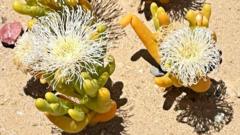
Known for their water-storing abilities, succulents come in diverse shapes and colors, some resembling colorful buttons while others share traits with cacti. While these plants can be nurtured in nurseries, burgeoning global interest has led to an increase in illegal harvesting, with many species now being plundered directly from their natural habitats.
Kamieskroon, a small town in Namaqualand, has turned into a hotspot for poaching activities. Conservationists report that just a small amount of plant theft can cause local extinction, and to date, seven succulent species have already vanished. According to the non-governmental organization Traffic, 1.6 million illegally harvested succulents were confiscated by law enforcement from 2019 to 2024, an indication of a much larger hidden crisis.
The South African government has acknowledged this issue, instituting a strategy in 2022 to combat poaching through community engagement and education. However, since the COVID-19 lockdown, poaching has escalated as international plant traders exploited local residents to collect succulents, amplifying their reach through social media.
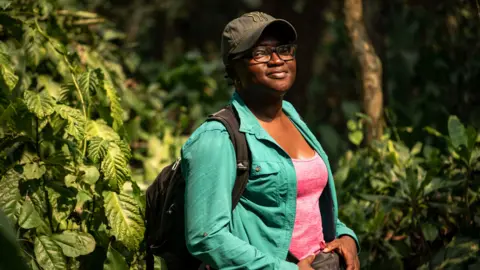
Malinda Gardiner, from Conservation South Africa, observes the socioeconomic consequences of this illegal trade, explaining, "This is a low-income area...People are not rich here." With increased money flow from poaching, communities witness a rise in substance abuse and social discord, risking longstanding community ties.
Organized crime groups are taking advantage of the situation, with young poachers employing tools to uproot succulents from their natural habitats. The financial allure often leads to chaos, endangering families as well. "When they get the money, there's more drugs, more alcohol," Gardiner adds.
Efforts are underway to reshape consumer awareness regarding plant sourcing. China's rising hunger for wild succulents has prompted initiatives like the Clean Internet for Conophytum campaign, creating a substantial drop in illicit online sales. The reduced advertisements promote responsible consumption, clearly marking a shift in public mindset.
To tackle the crisis holistically, conservationists urge global consumers to be vigilant about plant origins and to avoid purchasing wild varieties. Partnerships, such as the collaboration between Traffic and Kew Gardens to combat sales of poached succulents through platforms like eBay, are gaining traction.
Pieter van Wyk, a nursery curator committed to the cultivation of ethically sourced plants, emphasizes the need for South Africa to capitalize on its natural resources, saying, "We have this resource...why aren't we?" By addressing illegal harvesting and negotiating the promotion of sustainable alternatives, there is hope for revitalizing both local communities and the rich biodiversity of the Succulent Karoo.