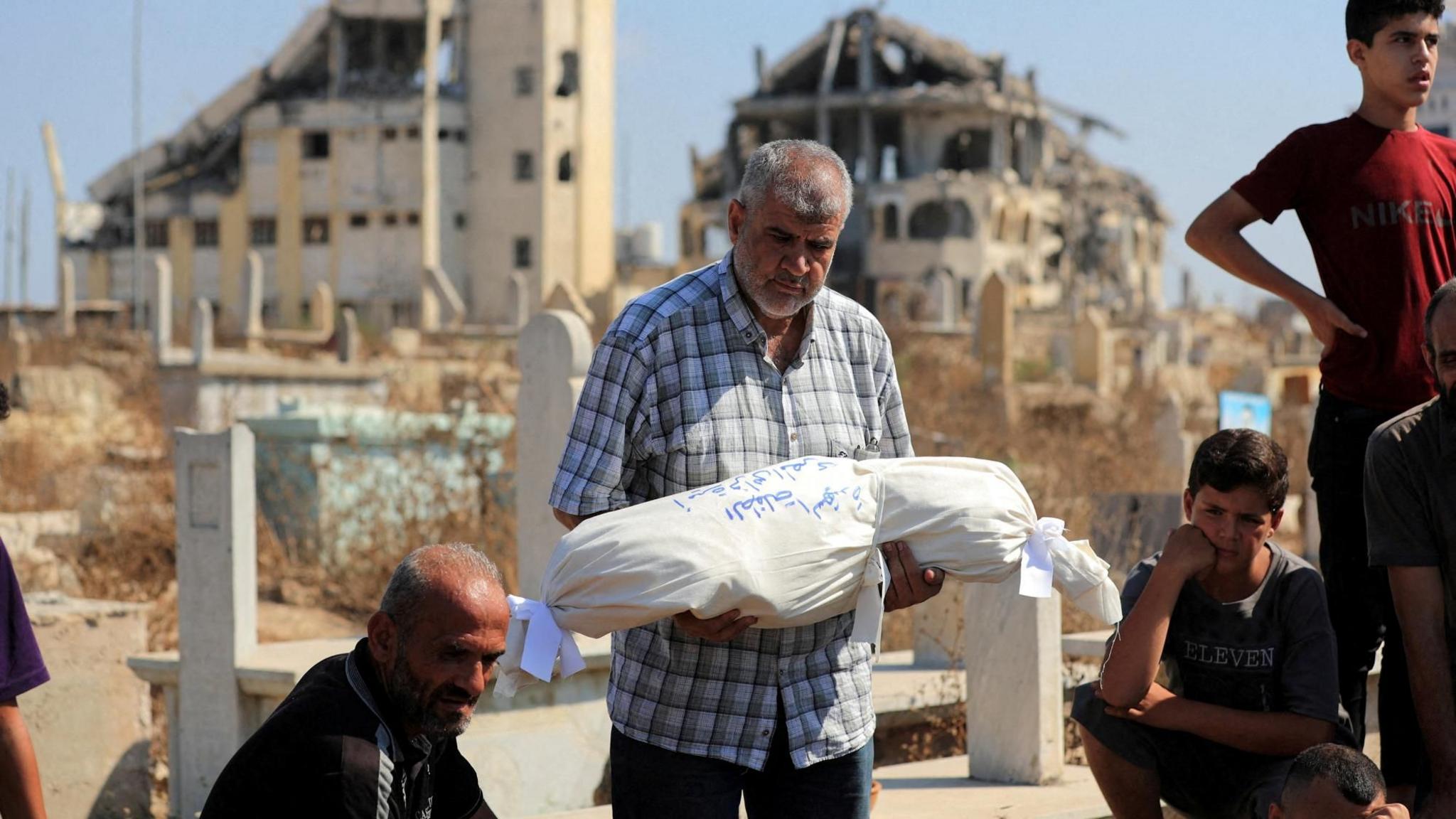
A tragic wave of Israeli strikes on Gaza City has killed 12 Palestinians, including six family members, according to local medical reports. The attacks, which involved fires in residential apartments, underscore how civilian infrastructure is severely impacted during armed conflict.
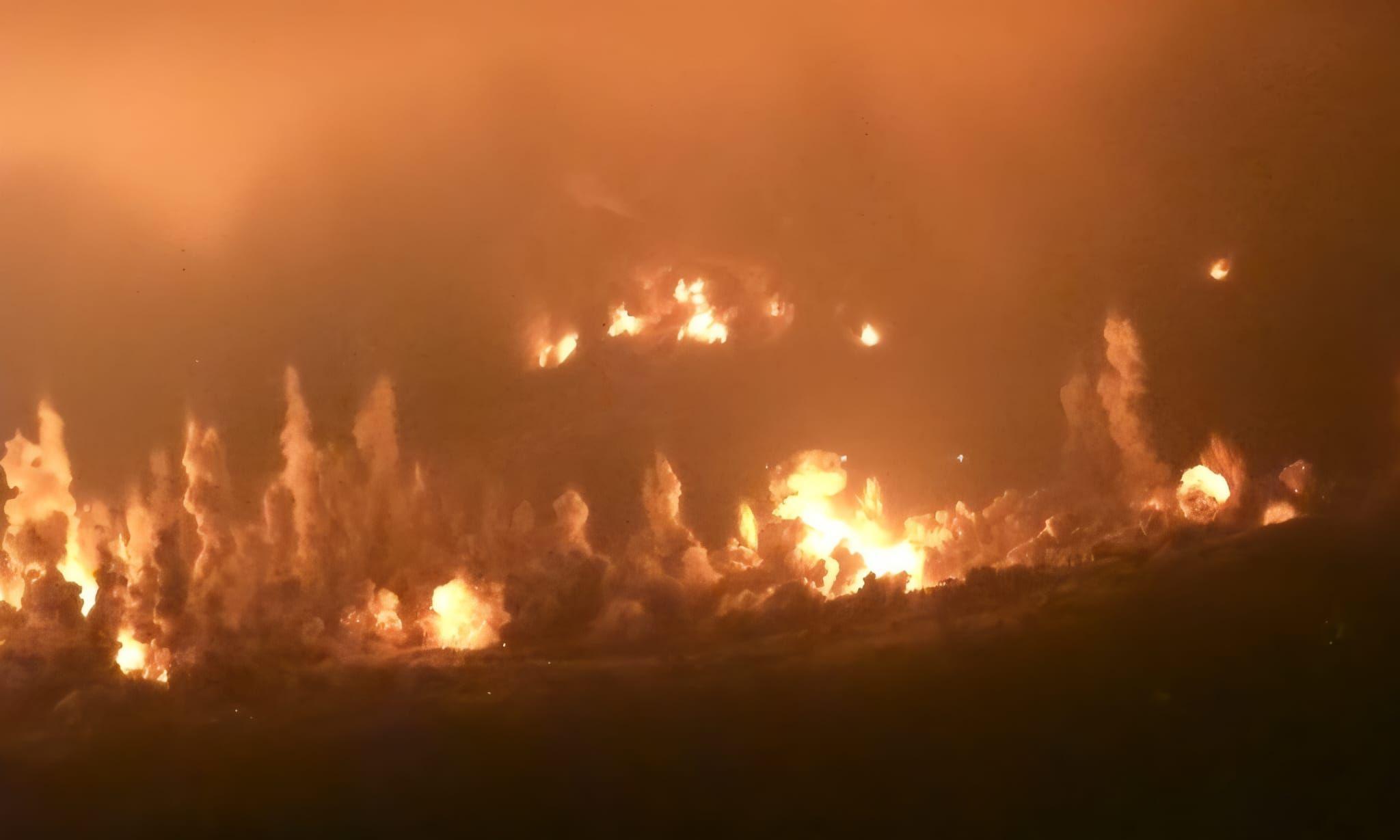
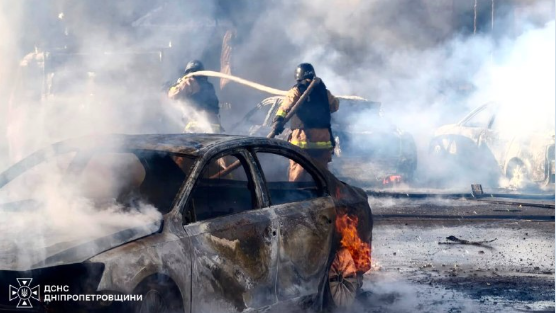
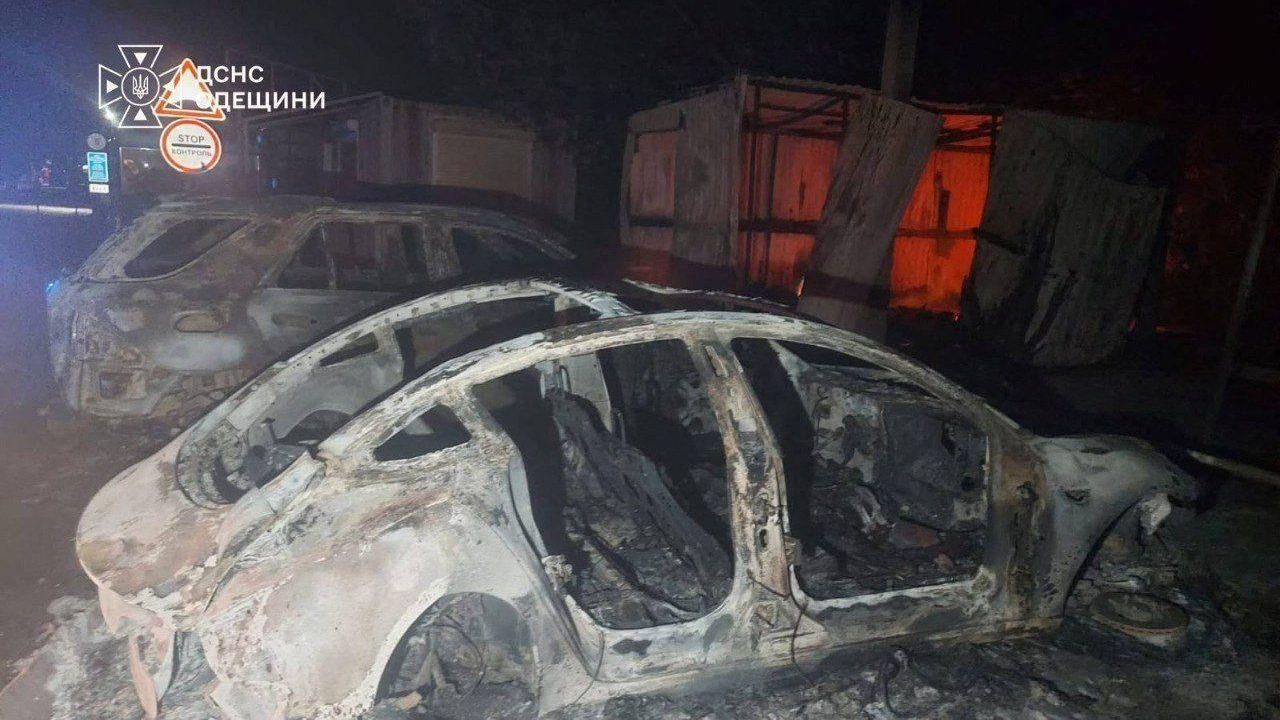
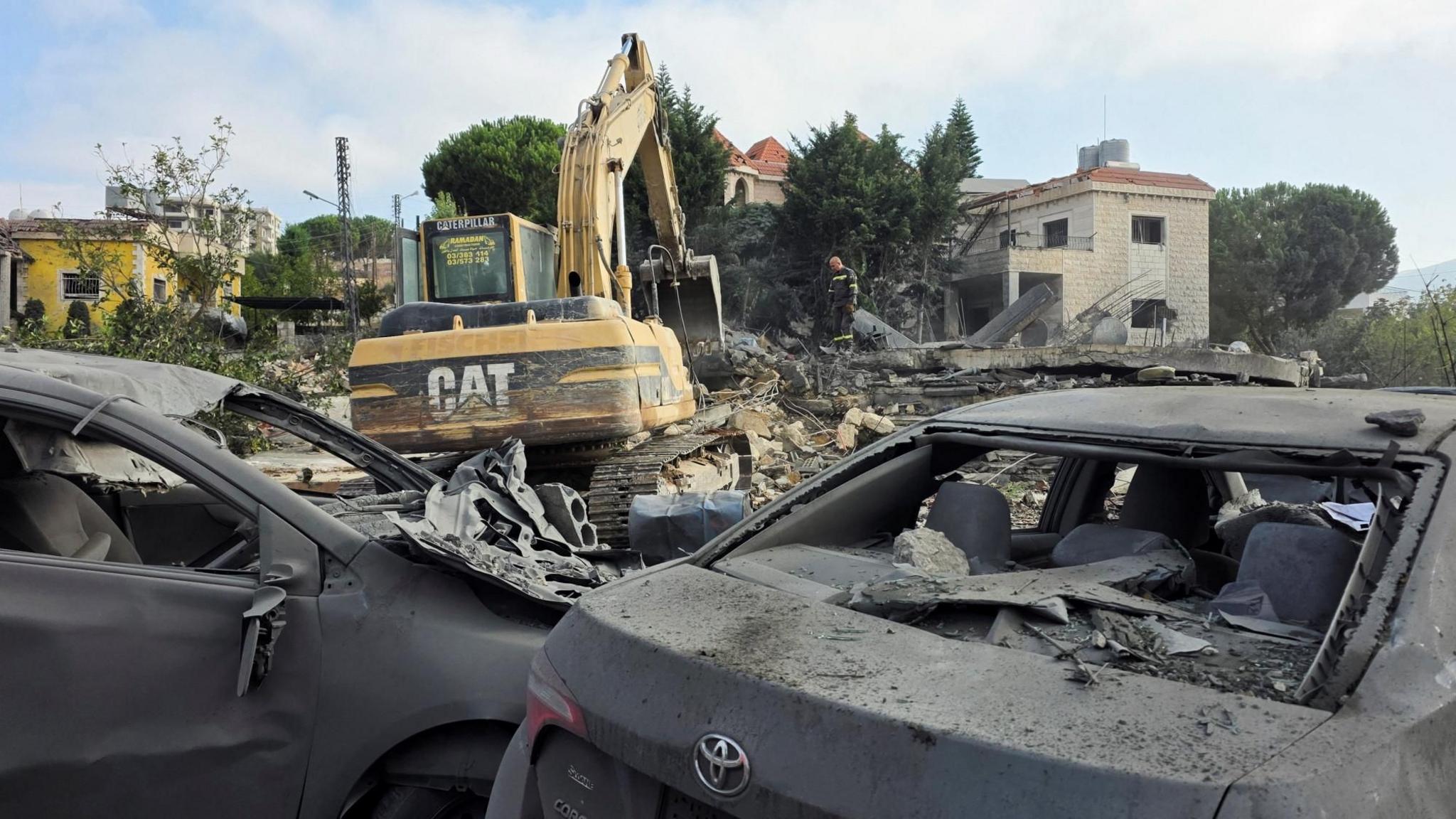
In the western al‑Sabra neighbourhood, a video shows a family’s apartment engulfed in flames overnight. The brother of Firas al‑Masri conveyed that he, his wife, Salsabeel, and their three daughters and son were burnt to death. The Israeli military said the objective was a Hamas operative, but details remain unclear.
An additional round of strikes on Tuesday killed four people in the al‑Samar area and two more in a drone attack on a vehicle in al‑Zahra. These incidents contributed to a rising death toll of 57 Palestinians, including six children and eight women, between 13 and 20 July, as reported by the UN Human Rights Office.
The Gaza Ministry of Health records a cumulative total of 1,168 civilian casualties since the ceasefire, while four Israeli soldiers have fallen in the region during the same period. The UN’s condemnation highlights concerns about potential war crimes and violations of international humanitarian law.
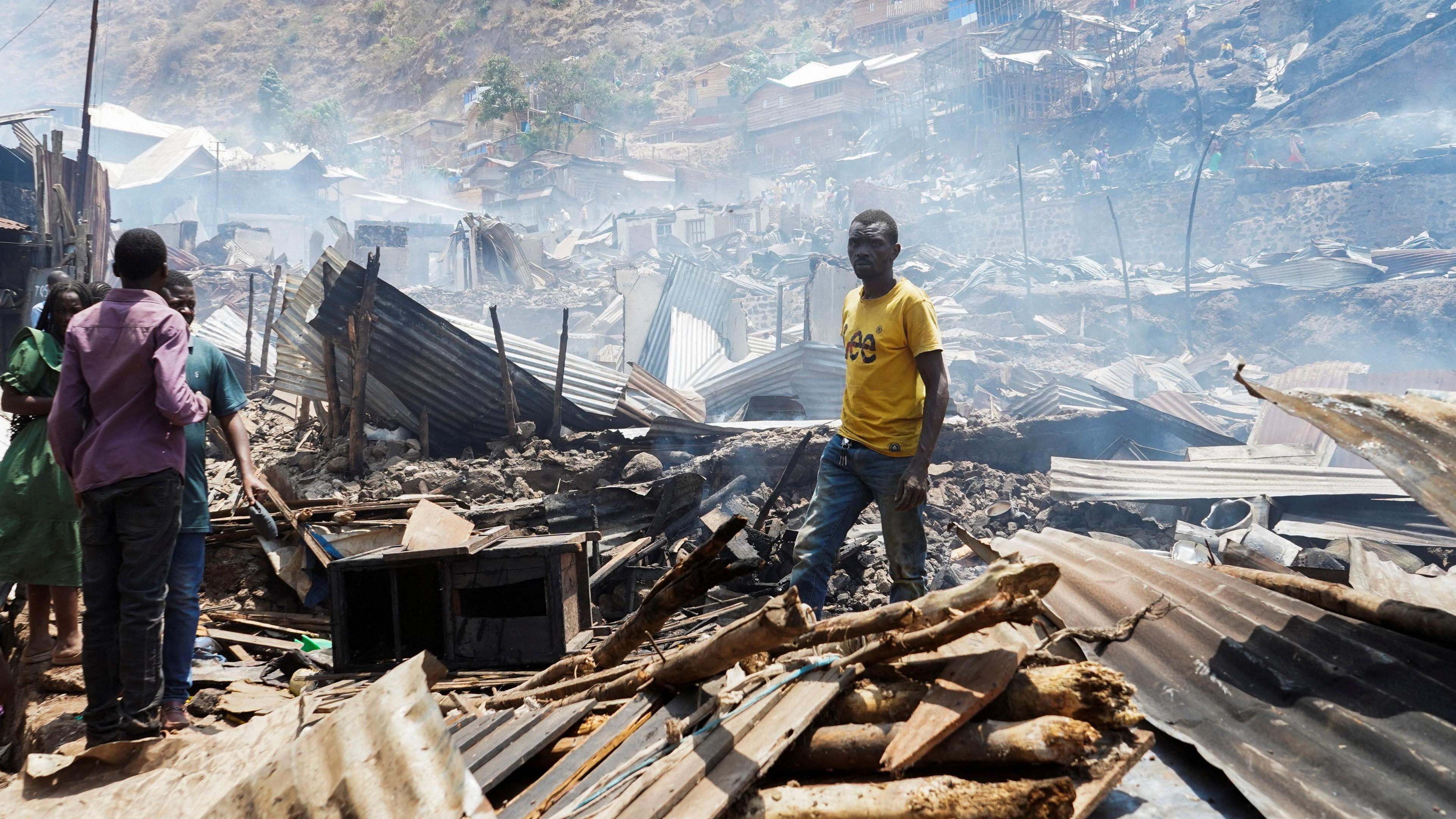
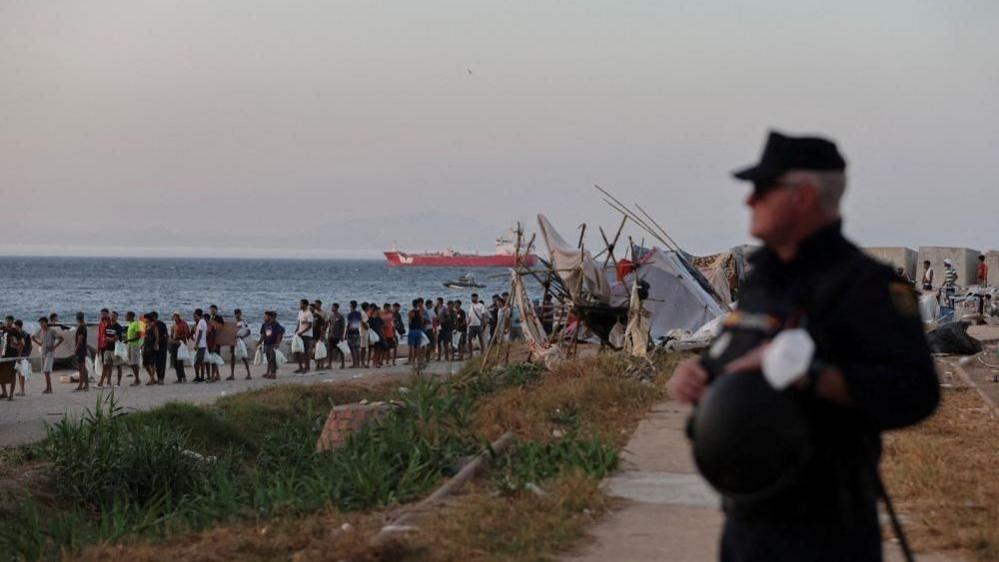
Beyond immediate casualties, conflict strains essential resources: destroyed housing compounds the strain on food supply chains and risks contamination of local soil and water sources. With limited access to clean water, the displaced population faces heightened health risks, underscoring the interlink between peace and sustainable living conditions.
The escalating violence raises broader implications for climate‑resilience efforts. Displaced families confront not only immediate humanitarian needs but also long‑term sustainability challenges, including secure housing, reliable energy, and clean water—key pillars that reinforce climate resilience in fragile regions.
International organizations advocate intensified humanitarian aid and clearer adherence to humanitarian law to mitigate further loss of life and preserve the environmental fabric of affected communities. The current situation illustrates how conflict can exacerbate vulnerabilities that undermine progress towards sustainable, resilient futures.