
In brief
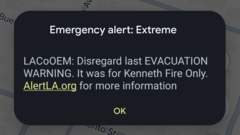
An erroneous evacuation alert sent to 10 million residents of Los Angeles ignited anger during a time of heightened anxiety due to ongoing wildfires. Mayor Karen Bass faced criticisms over emergency preparedness and local water supply, as residents struggled with inadequate firefighting resources amidst catastrophic blazes.
The anxiety in Los Angeles boiled over Thursday as a mistakenly issued evacuation alert rattled the nerves of millions already on edge from devastating wildfires. The false alarm was sent via text to all cell phone users in the county, warning of imminent danger and urging residents to evacuate, which stirred panic throughout the area.Rebecca Alvarez-Petit, caught off guard during a work call, described the chaos as she and her colleagues received the alert simultaneously, triggering immediate fears for their safety. “It was like a massive panic that I was watching in real-time,” she recalled. Relief came quickly with a follow-up message reassuring residents to disregard the initial warning, but the emotional toll lingered among those on high alert for days.This miscommunication added to the growing frustrations of a community grappling with the emotional trauma of ongoing fires which have already claimed at least ten lives. The urgency of the situation heightened local frustration over emergency management and preparedness. Los Angeles Mayor Karen Bass faced scrutiny in a news conference following the erroneous alert, where she attempted to reassure the public of her dedication to the affected communities. While acknowledging the legitimacy of complaints regarding firefighting resources, particularly the issues with hydrants running dry, she largely sidestepped questions about the alert incident. Bass defended her administration's response, emphasizing the unprecedented nature of the fires exacerbated by severe winds hindering firefighting efforts, leaving many firefighters powerless as they sat waiting for support.As the fire spreads, concerns surrounding the community's infrastructure have emerged. Residents like Larry Villescas expressed their frustration and helplessness—his garden hose proved ineffective against rising flames as water pressure dwindled and firefighters were forced to remain idle beside inadequate hydrants. Experts have attributed the water shortage not solely to management failures, but to the overwhelming consumption drawn from local water sources due to the scale of the disaster.Survivors of the fires voiced a collective sense of betrayal, feeling unprepared despite years of coping with destructive wildfires in the region. As communities begin to pick up the pieces, a broader dialogue emerges around protecting lives and ensuring adequate resources are available to combat such crises in the future, while ensuring that communication from officials remains clear and trustworthy.


